
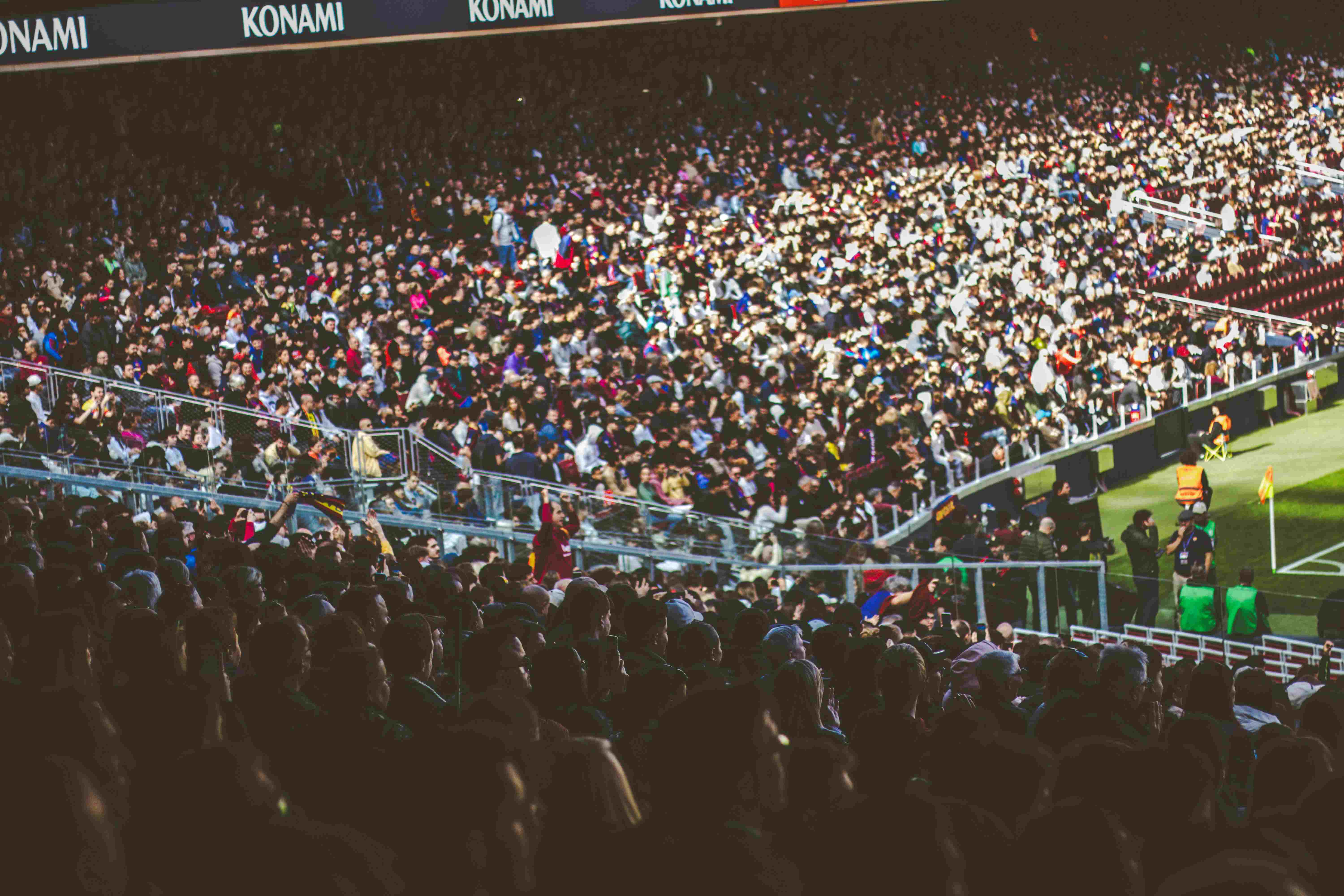

Every four years, something remarkable happens across the United States. Neighborhoods transform. Restaurant windows fill with flags. Strangers exchange predictions in grocery store lines. The FIFA World Cup is a cultural phenomenon that awakens identity, stirs pride, and draws communities together in ways that few other global occasions can match. For diaspora communities living in the U.S., the tournament carries a weight that goes far beyond the scoreboard.
A Shared Ritual That Crosses Borders
When the World Cup begins, millions of Americans who trace their roots to every corner of the globe feel something personal stir inside them. For many, cheering for their home country's national team is one of the most direct connections they maintain to a homeland they may have left decades ago. Parents explain the rules to children born in the U.S. Grandparents recall watching the same tournament as young adults in another country. Families gather around screens the way their ancestors once gathered around fires.

Welcome to United Tribes
Where Diverse Cultures Come Alive
Join Your Tribe
Connect with your people
Discover Events
Watch parties & festivals
Find Tribe Businesses
Restaurants, markets & more
Earn Crown Credits
Get rewarded for engaging
This shared ritual is one of the tournament's most quietly powerful gifts. It creates structured moments for cultural transmission — a natural, joyful opportunity for older generations to pass down language, history, and identity to younger ones. The World Cup becomes a living classroom, wrapped in the excitement of competition.
How Soccer Brings People Together in American Cities
In cities like Los Angeles, Chicago, Houston, New York, and Miami, the cultural connection to football becomes visible in real, tangible ways during every World Cup cycle. Community viewing parties fill parks, plazas, and cultural centers. Restaurants that specialize in heritage cuisine report surges in business as families seek spaces where they can celebrate authentically.
These gatherings are not just about the match. They are about recognition — finding your people, hearing your language, and feeling seen in a country where cultural visibility is something many communities must actively work to maintain. Building community one celebration at a time is exactly what these organic World Cup moments accomplish, often without any formal planning.
The dynamics of soccer that bring people together also foster cross-cultural connections. Neighbors who might never have spoken discover shared devotion to the beautiful game. Curiosity about another team becomes curiosity about another culture. Friendships form over penalty kicks and halftime conversations.
The World Cup and Diaspora Identity
For diaspora communities, the World Cup is a rare moment of collective emotional alignment. When a team representing your heritage takes the field, the match becomes personal in a way that is difficult to explain to someone who has not experienced it. Wins are celebrated as communal victories. Losses are mourned together. The emotional intensity reflects a deep, genuine connection to something that represents home.
This connection is particularly meaningful for second and third-generation immigrants who may feel caught between two cultural identities. Cheering for Mexico, Brazil, Nigeria, or Spain while living in the United States is a declaration. The World Cup provides permission to embrace that duality openly and proudly.
Communities across the U.S. have long found creative ways to honor their heritage through festivals, food, and gatherings. The Latino festivals celebrated across the U.S. are a testament to how cultural pride becomes a community-building engine — and the World Cup amplifies that same energy on a global stage.
The Lasting Impact Beyond the Final Whistle
What makes the World Cup community impact so meaningful is not just what happens during the tournament, but what it leaves behind. The conversations started during viewing parties continue. The cultural curiosity sparked by a match between two nations that many people had never considered leads to real learning. Businesses that served their communities during the tournament gain loyal, returning customers.
Community organizations often use the World Cup as a launching point for longer-term programming — youth soccer leagues, cultural education workshops, heritage storytelling events. The tournament becomes a catalyst rather than a conclusion.
There is also a digital dimension to this legacy. Communities that rally around shared cultural moments tend to become more organized, more connected, and more visible online. Platforms that support multicultural discovery help sustain the energy generated by events like the World Cup. Community festivals across the U.S. demonstrate how cultural celebrations create ripple effects that strengthen community infrastructure long after the event ends.
Why Cultural Visibility Matters in Sports Moments
The World Cup's reach into American communities highlights something important: cultural visibility is a necessity. When diaspora communities see their flags represented, their languages broadcast, and their traditions celebrated in mainstream spaces, it affirms their place within the broader American story.
United Tribes exists precisely to support this kind of visibility year-round — not only during global tournaments. By creating dedicated spaces for multicultural businesses, events, and stories, the platform ensures that the pride sparked during a World Cup does not quietly fade when the final match concludes.
The Beautiful Game, The Enduring Community
The World Cup reminds us that sport is one of humanity's most powerful connective forces. It transforms stadiums and living rooms alike into spaces of shared humanity, where cultural identity is celebrated rather than hidden. For diaspora communities across the United States, every tournament cycle is a renewal of pride, of memory, and of belonging.
The bonds formed during those weeks of competition have real staying power. They strengthen families, energize neighborhoods, and remind communities of what they share across generations. The emotional thread connecting a grandparent's memory of a match played decades ago to a grandchild watching today is one of the most beautiful forms of cultural continuity.
Visit United Tribes today and find out more about multicultural culture and community — and discover how your heritage community stays connected, visible, and celebrated long after the final whistle blows.


