
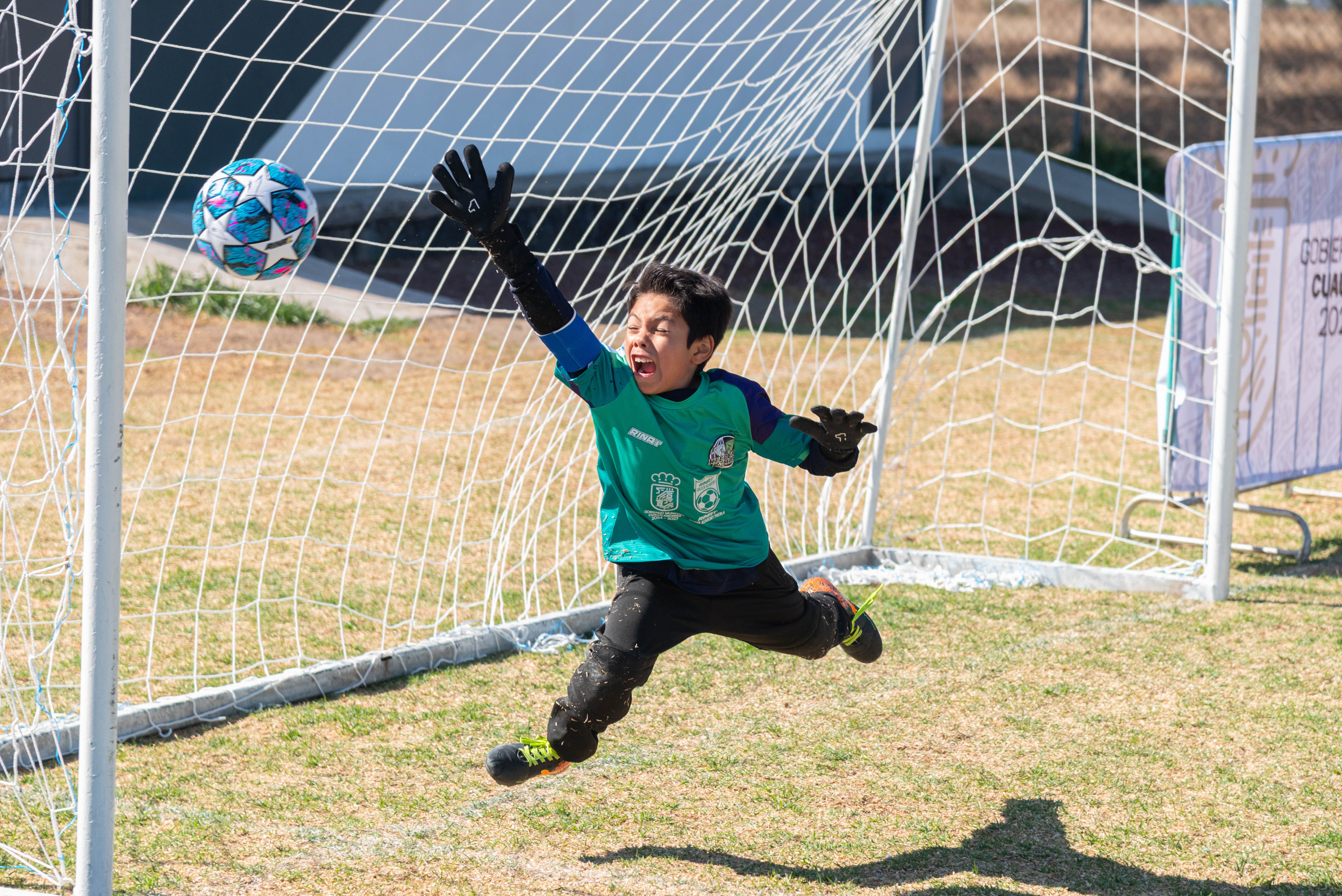


When the FIFA 2026 World Cup kicked off across U.S. host cities, something powerful happened far beyond the stadium walls. For the Mexican-American soccer community, this was a once-in-a-generation moment to celebrate identity, roots, and belonging on home soil.
El Tri on American Soil: A Different Kind of Home Advantage
For millions of Mexican-Americans, watching El Tri fans on the USA side carry the green jersey felt deeply personal. Mexico's matches drew record-breaking crowds not just in stadiums but in living rooms, backyards, and neighborhood streets. The proximity of the tournament meant families could attend in person, some for the first time, creating memories that spanned generations.
Cities like Los Angeles, Dallas, Houston, and Chicago, each home to thriving Mexican-American communities, became epicenters of fan culture. Streets filled with green, white, and red. Car caravans wound through neighborhoods, blasting banda and norteño music.
Watch Parties That Became Community Gatherings
Across the country, watch parties organized by community groups, local businesses, and cultural organizations transformed public spaces into something extraordinary. Parks hosted massive screens with hundreds of fans gathered beneath them. Mexican restaurants opened early, stayed open late, and became the heartbeat of neighborhood celebrations.
Families brought homemade food. Elders wore jerseys they'd saved from tournaments past. Children painted their faces for the first time, learning the chants their parents had known since childhood. The Mexican-American soccer community used these moments to pass something forward: a sense of who they are and where they come from.
The Role of Mexican Restaurants and Small Businesses
Local Mexican restaurants became unofficial headquarters for FIFA 2026 celebrations. Owners invested in outdoor screens, extended hours, and curated menus that honored match-day traditions. Carnitas tacos, pozole, and agua frescas flew out of kitchens as fast as they could be made.
Dishes like menudo carried deep emotional weight, connecting fans to home even as they cheered from thousands of miles away. The comfort of familiar flavors made every match feel like a family gathering. For many small business owners, FIFA 2026 was a chance to serve their community in the fullest sense. Regional specialties like slow-cooked carnitas reminded diners of specific home states, sparking conversations about Michoacán, Jalisco, and Oaxaca between bites and goals.
Music, Fashion, and the Full Cultural Expression
Soccer gave Mexican fans a stage, but the cultural expression extended well beyond ninety minutes of play. Live music filled parking lots and plazas. Mariachi bands performed before matches. DJs spun regional Mexican music that kept crowds energized between games. Fashion was equally expressive: embroidered shirts, traditional huipiles worn alongside green jerseys, and handmade accessories that blended sports fandom with cultural artistry.
This fusion of tradition and modern fandom reflected something the Mexican-American soccer community has always understood: identity isn't static. It lives in how you dress, what you eat, how you dance, and who you gather with.
Family Traditions at the Center
Perhaps the most significant aspect of FIFA 2026 for Mexican-American families was the transmission of tradition. Grandparents who remembered watching El Tri on small televisions in Mexico now sat with grandchildren born in the United States, sharing the same passion across decades and borders.
Parents used the tournament as a teaching moment: explaining the significance of the Mexican flag's colors, the history behind certain chants, and the names of legendary players from tournaments past. These conversations didn't happen in classrooms. They happened over game-day meals, on crowded sidewalks, and in the shared electricity of a last-minute goal.
Strengthening Cultural Pride in the Diaspora
FIFA 2026 arrived at a meaningful moment for Mexico's World Cup culture in the diaspora. For communities that sometimes navigate tension between their American lives and Mexican heritage, the tournament offered a clear, joyful answer to questions of identity. Being Mexican-American didn't require choosing one over the other, as the World Cup made space for both, loudly and proudly.
Cultural organizations used the momentum to launch community initiatives. Heritage fairs ran alongside match schedules. Youth soccer clinics in predominantly Mexican-American neighborhoods saw record enrollment. The tournament became a catalyst, not just for celebration, but for deeper investment in cultural continuity.
Culture Won the Real Trophy
FIFA 2026 proved that for Mexican fans across the United States, the World Cup was never just about goals and standings. It was about gathering, remembering, and celebrating a shared identity that crosses borders and generations. From packed restaurant patios to impromptu street celebrations, the Mexican-American soccer community showed the full depth of cultural pride in action.
The food, the music, the family rituals, and the community bonds forged during this tournament will last far longer than any final score. El Tri fans reminded the country that Mexican culture is vibrant, visible, and deeply woven into the American story.
Visit United Tribes today to learn more about Mexican culture and community, from businesses and events to stories that celebrate everything it means to carry this heritage forward.


