
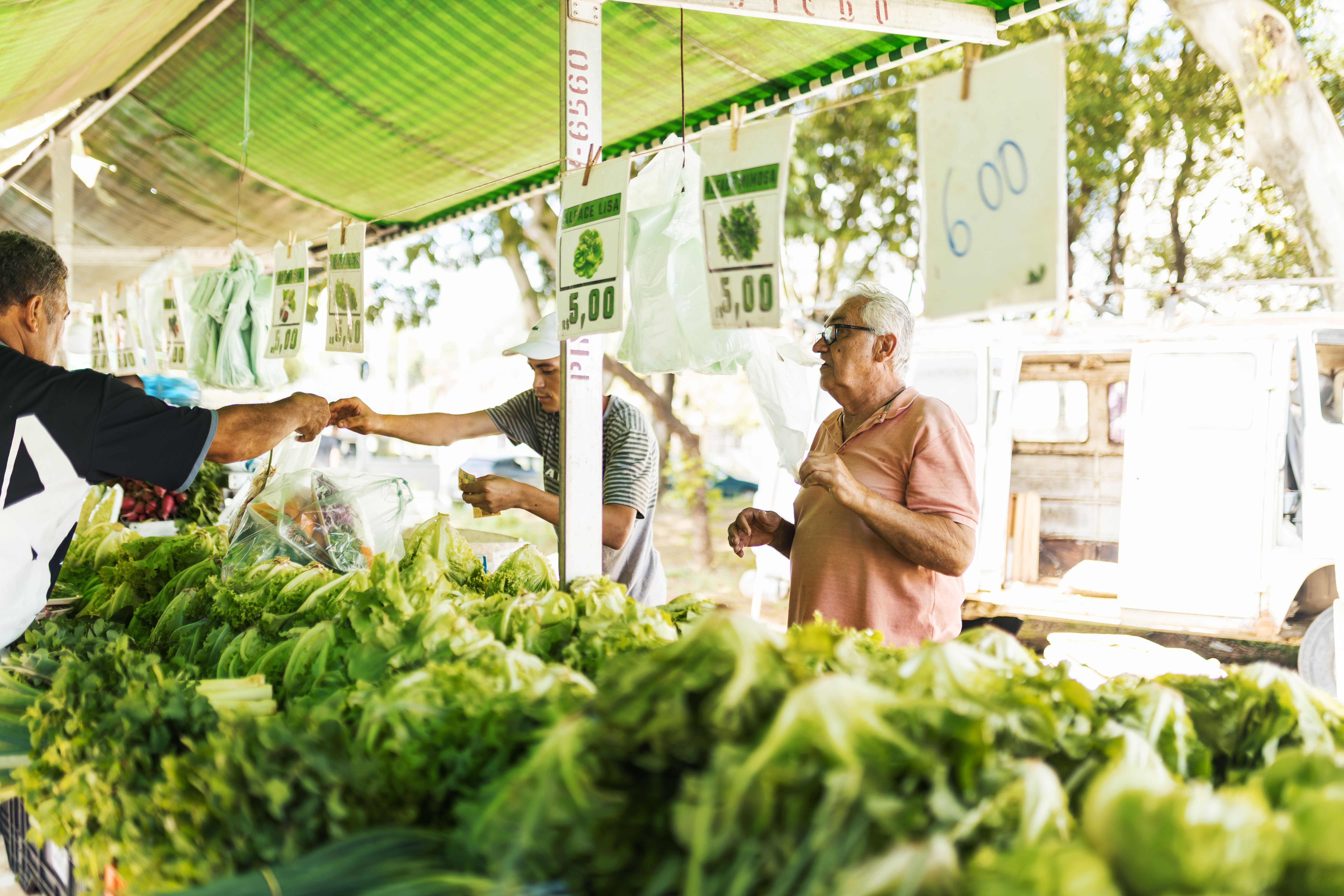

Every August, National Farmers Market Week puts a well-deserved spotlight on one of America's most beloved community institutions. From sprawling urban markets in Chicago and Los Angeles to modest weekend setups in rural towns, farmers markets have become gathering places where neighbors reconnect, small businesses thrive, and the American value of community takes edible form. These markets represent something deeper, a shared commitment to local food, local people, and local culture.
What Is National Farmers Market Week
National Farmers Market Week is an annual celebration recognized each August by the USDA, honoring the vital role that farmers markets play in the American food system. First established in 2000, the week shines a light on the thousands of markets operating across all fifty states, recognizing farmers, vendors, artisans, and the communities that support them.

Welcome to United Tribes
Where Diverse Cultures Come Alive
Join Your Tribe
Connect with your people
Discover Events
Watch parties & festivals
Find Tribe Businesses
Restaurants, markets & more
Earn Crown Credits
Get rewarded for engaging
During this week, markets across the country host special events, tastings, cooking demonstrations, and community programming designed to draw in new visitors and reward loyal shoppers.
Fresh Food as a Community Anchor
At the heart of every farmers market is fresh, seasonal produce. Shopping at a local market means buying strawberries at peak ripeness, corn hours off the stalk, and herbs still fragrant with morning dew. This kind of seasonal eating has deep roots in American culture, connecting people to the land and the rhythms of the natural year.
Beyond the quality of the food itself, farmers markets make fresh produce accessible in ways that traditional grocery chains sometimes don't. Many markets now accept SNAP benefits, partner with local nonprofits, and offer sliding-scale programs to ensure that healthy, locally grown food reaches families across income levels. Food access and food justice are increasingly central to the farmers market mission.
Supporting Small Businesses and Independent Farmers
One of the most powerful aspects of local markets is their role as an economic launchpad. For many small-scale farmers and artisan food producers, a farmers market booth is their first and sometimes only storefront. Every dollar spent at a farmers market stays closer to home, cycling through the local economy rather than flowing to a distant corporation.
This entrepreneurial spirit mirrors the broader American story. Vendors selling homemade hot sauce, handcrafted cheese, heritage-breed meats, or freshly baked sourdough are running genuine small businesses, often building them from the ground up with limited resources and enormous passion. Food halls and markets across the country have long served this function, creating space where independent producers can reach real customers without the overhead of a permanent location.
Multicultural Flavors at the Market
American culture has always been a mosaic, and nowhere is that more visible than at a diverse farmers market. Walk through a well-attended urban market, and you might find Vietnamese herbs alongside Hmong vegetables, Mexican chile varieties next to Eastern European pickles, and West African spices sharing a table with Caribbean root vegetables.
These multicultural offerings reflect the communities that show up, both as vendors and shoppers. Immigrant farmers and food entrepreneurs bring crops and culinary traditions that expand what American farmers' markets look and taste like. In many cities, markets have become cultural crossroads where heritage is preserved through food and shared across community lines. This kind of visibility matters deeply, both for the vendors who gain economic footing and for shoppers who find pieces of home on the market table.
How Markets Strengthen Neighborhoods
The social function of farmers markets is just as important as the economic one. These are spaces where people linger. A Saturday morning at the market becomes a ritual — running into neighbors, letting children explore unfamiliar vegetables, listening to a local musician set up near the entrance. That sense of place and belonging is increasingly rare, and markets help fill the gap.
Community programming at markets often extends beyond food. Many host:
- Live music and cultural performances celebrating local artists
- Cooking demonstrations featuring seasonal ingredients
- Children's activities including gardening workshops and farm animal visits
- Chef collaborations spotlighting local restaurants and culinary talent
- Community organization tables connecting residents with local services
These elements transform the market from a transaction point into a true public square.
Farmers Markets and the Broader Cultural Calendar
National Farmers Market Week doesn't exist in isolation — it sits within a broader American summer culture defined by outdoor gatherings, seasonal abundance, and community celebration. Summer festivals, outdoor concerts, and neighborhood block parties share the same DNA as a farmers market: they bring people outside, face to face, around something worth sharing.
This overlap is especially visible in communities where cultural festivals and market days intersect. Latin American communities, for example, have long understood how food-centered gatherings keep neighborhoods connected, a dynamic explored in how Latin American summer festivals keep communities connected across borders. The farmers market operates on the same principle, just rooted in local American soil.
How to Get Involved During National Farmers Market Week
Participating in National Farmers Market Week doesn't require much beyond showing up intentionally. Here are a few ways to make the most of the celebration:
1. Visit a market you've never been to — explore a neighborhood outside your usual routine
2. Buy from a vendor you don't recognize — ask about their farm or process
3. Try one unfamiliar ingredient and research how to cook it
4. Share your market finds on social media using the official hashtag #FarmersMarketWeek
5. Bring a friend or neighbor who hasn't visited before
Small actions compound into meaningful community support when multiplied across thousands of market visitors.
Markets, Meaning, and American Community
National Farmers Market Week is a celebration of everything local markets represent: fresh food, small business resilience, multicultural exchange, and the simple human pleasure of gathering in a shared space. From the farmer who woke at dawn to load a truck, to the family discovering a new favorite vegetable, every market visit is a small act of community investment.
These markets remind us that American culture is a living, seasonal, delicious conversation happening in parking lots and parks every weekend across the country. Supporting local markets during this week and year-round means supporting the people, traditions, and neighborhoods that make communities worth belonging to.
Connect with markets, multicultural vendors, and community events near you — the United Tribes community hub is where discovery starts, giving you direct access to culturally rooted businesses and gatherings that bring these traditions to life.


