
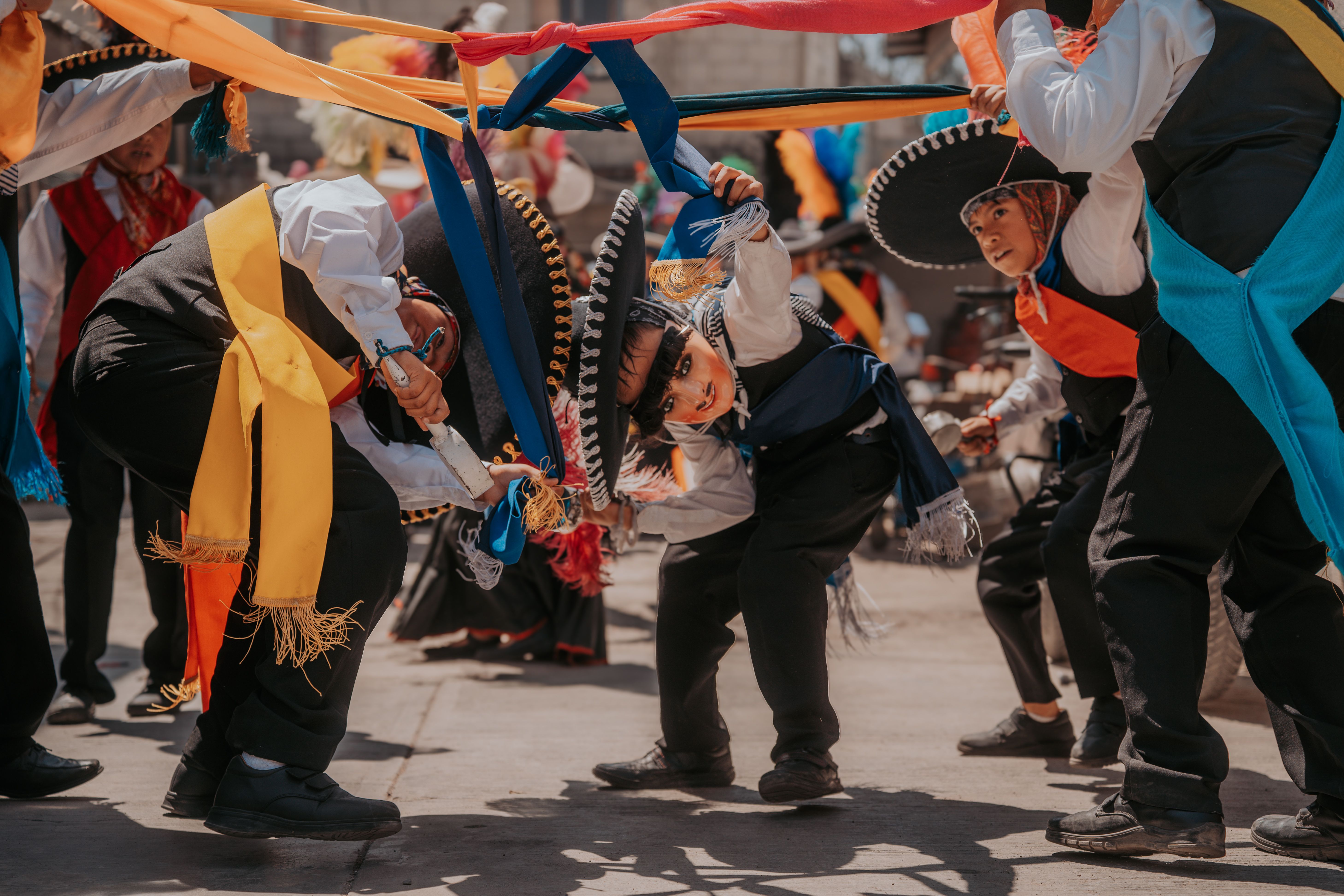

Every summer, something powerful happens in neighborhoods across the United States. The smell of grilled corn and empanadas drifts through city parks. Cumbia rhythms pour from speakers into the street. Families wearing the colors of their home countries gather under strings of lights to dance, eat, and remember. Latino festivals are living expressions of identity, belonging, and resistance against forgetting. For millions of Latin American immigrants and their children, these summer gatherings serve as an emotional and cultural lifeline connecting them to everything they left behind.
The Deep Roots of Summer Celebrations in Latin America
Summer in Latin America carries enormous cultural weight, even before the season was ever called a "festival." From the Caribbean to the Andes, communities have long organized celebrations around harvests, saints' days, national holidays, and indigenous traditions. In Colombia, the Feria de las Flores fills Medellín with flower arrangements and folklore. In Peru, Inti Raymi honors the Incan sun god with elaborate ceremony. In Brazil, the Festa Junina draws millions to celebrate rural life with forró music and square dancing. These events are communal rituals that reinforce shared history.

Welcome to United Tribes
Where Mexican Culture Comes Alive
Join Your Tribe
Connect with your people
Discover Events
Watch parties & festivals
Find Mexican Businesses
Restaurants, markets & more
Earn Crown Credits
Get rewarded for engaging
When Latin Americans migrate to the United States, they carry these traditions with them, adapting them to new environments without abandoning their original meaning. The neighborhood fiesta becomes a form of cultural preservation, held in a park in Chicago or a community center in Houston, but rooted in the same values that inspired celebrations thousands of miles away.
How Neighborhood Fiestas Become Community Infrastructure
What makes Hispanic community events so powerful is not just their festivity but their function. A well-organized summer festival entertains and creates networks. Families who might never otherwise meet find each other at tamale stands. Small business owners hand out cards near stages where regional music plays. Children hear their grandparents' language spoken publicly, sometimes for the first time.
These grassroots gatherings often evolve into something more structured over time. Annual festivals build community calendars, attract city support, and generate economic activity for Latin American culture-rooted businesses. Restaurants, artisans, and cultural organizations gain visibility. For newer immigrants, these events become a form of orientation, a way to identify community resources, find familiar food, and feel less alone.
Understanding the national holidays that anchor many of these summer celebrations adds important context. A guide to Latin American Independence Days helps explain why certain weekends in July and August become especially significant gathering moments for specific communities.
Music as the Heartbeat of Latino Summer Culture
No element is more central to Latino festivals than music. Music carries memory in ways that words alone cannot. A cumbia melody can transport someone instantly to a grandmother's kitchen. A vallenato accordion line can make a grown man cry in the middle of a Los Angeles parking lot turned festival grounds. Music in this setting is a form of entertainment that communicates cultural continuity.
Across the U.S., summer festivals have become showcases for regional Latin American musical traditions. Salsa nights in New York, norteño stages in Texas, tropical beats in Miami. Each genre carries the specific cultural DNA of its region of origin. The way Latin American dance culture is thriving in the U.S. reflects how deeply these musical traditions have taken root as entertainment and identity.
Food as Cultural Memory at Summer Gatherings
Alongside music, food anchors the emotional core of every Latin American culture celebration. The dishes served at summer festivals are rarely chosen casually. They are deliberate acts of remembrance. Recipes passed through generations appear in portable form: mole in styrofoam cups, pupusas flipped to order, ceviche served in clear plastic glasses to families standing in summer heat.
For many second-generation attendees, tasting these dishes at a community festival is one of the few direct sensory connections to a homeland they may have never visited. The way menudo connects Mexican-Americans to home illustrates this beautifully, a single dish capable of carrying decades of memory and identity. Across Latino traditions, food at festivals is never just fuel. It is testimony.
Vendors at these events often represent small family businesses that operate year-round, and summer festivals give them crucial visibility and revenue. Supporting them is a direct investment in the cultural economy.
Cross-Border Connection in a Digital Age
Modern Latino summer festivals increasingly serve a dual function: celebrating community in person while broadcasting culture digitally. Social media has transformed local Hispanic community events into globally visible moments. A festival in Denver becomes an Instagram story that reaches relatives in Guadalajara. A dance performance in Miami gets shared in WhatsApp groups across Ecuador.
This digital dimension strengthens cross-border ties in real time, allowing communities on both sides to feel connected to the same celebration simultaneously. It also creates new ways for younger generations, many of whom grew up in the U.S., to engage with Latino traditions they didn't experience firsthand. The festival becomes both a physical gathering and a cultural broadcast.
Summer Fiestas as Bridges Between Worlds
Latino festivals do far more than mark the season. They hold communities together, transmit culture across generations, and create the social infrastructure that keeps diaspora identity alive in an often-homogenizing environment. From the music stages to the food vendors, every element of a summer Hispanic community event carries intentional meaning, a collective refusal to let distance erase where a people come from.
For anyone curious about how Latin American culture continues to evolve and innovate beyond the festival season, the connections run deep, into the way food fuses traditions, as explored through Latino culinary fusion and Hispanic flavors, and into fall celebrations that carry the same community spirit forward.
Explore the Latino businesses, cultural events, and heritage communities coming together right now by stepping into the United Tribes community hub, because the fiesta doesn't have to end when summer does.
Make United Tribes Your Preferred Source
Add United Tribes on Google to get the latest stories, cultural updates, and community events directly in your Google Search and Top Stories.


