

Key Takeaways
- Cultural connection does not require shared heritage. Research shows that genuine interest and participation in another culture's traditions can create meaningful bonds across different backgrounds.
- Digital platforms strengthen cultural identity. Studies find that participation in online communities enhances ethnic and cultural identity, especially when those spaces offer real social support and belonging.

Welcome to United Tribes
Where Diverse Cultures Come Alive
Join Your Tribe
Connect with your people
Discover Events
Watch parties & festivals
Find Tribe Businesses
Restaurants, markets & more
Earn Crown Credits
Get rewarded for engaging
- Inclusive design makes multicultural communities work. Online communities thrive when they are built with accessibility, multicultural representation, and multiplatform functionality as core priorities.
- Shared experiences build cohesion across cultures. Festivals, workplaces, schools, and digital spaces all serve as bridges that reduce prejudice and foster genuine intergroup harmony.
- United Tribes preserves identity while encouraging discovery. The platform lets each tribe maintain its distinct cultural voice while opening doors for cross-cultural exploration and community connection.
The United States has always been shaped by the convergence of many cultures, and today that convergence is increasingly happening online. As heritage communities seek to preserve their identities while participating in a broader shared life, the need for digital spaces that honor both belonging and openness has never been greater.
What does it mean to build a truly multicultural community?
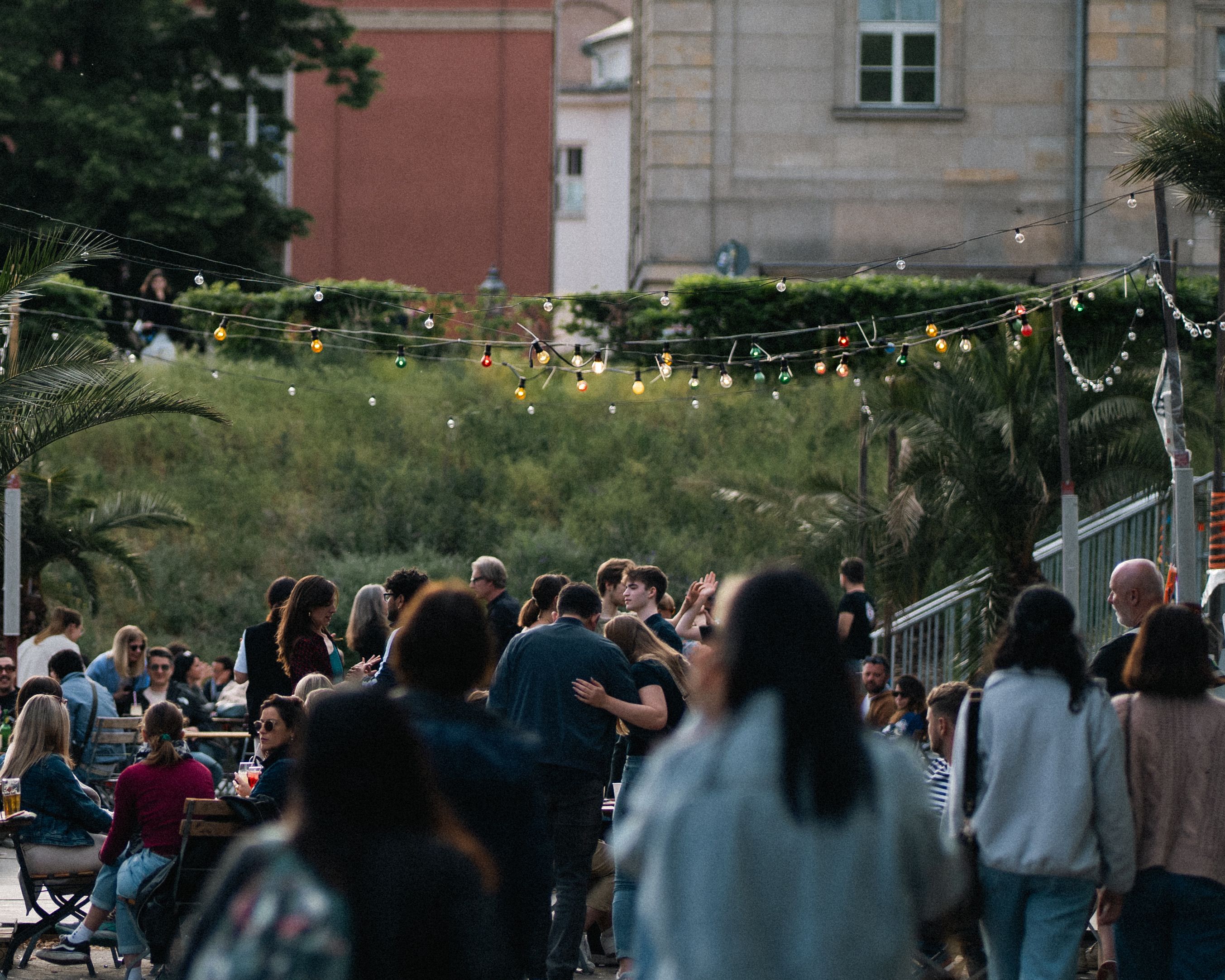
Building a truly multicultural community means creating space where distinct cultural identities are not just tolerated but actively celebrated, and where people from different backgrounds can connect through shared experiences rather than erased differences. It is not about blending every heritage into one generic identity — it is about making room for many identities to coexist, interact, and learn from one another.
The distinction matters. Communities that focus only on separate ethnic identities can sometimes struggle to build genuine connection across groups. Sociology tells us that shared relations and experiences across heritage lines bind diverse communities together—the festivals attended together, the neighborhoods navigated side by side, the digital spaces where stories are exchanged. That is where real cultural connection takes root.
Qualitative research on immigrant and receiving-community members in the U.S. reinforces this idea. One participant put it this way: you don't need a particular heritage in your blood to belong—just genuine interest and enjoyment. That insight carries enormous weight for anyone thinking about what an inclusive community can look like in practice.
Digital Spaces Are Reshaping Cultural Identity
Online platforms now play a significant role in how people maintain and deepen their cultural identities. Research in multi-ethnic communities has found that participation in digital spaces strengthens ethnic and cultural identity, with online social support and a sense of community connection as key drivers. This is not a passive process — active participation matters.
For diaspora communities especially, digital engagement provides continuity. A Mexican-American family in Chicago, a Filipino-American entrepreneur in Houston, or a Persian-American student in New York can all maintain threads to their heritage through online communities that reflect their lived experience. The platform becomes an extension of cultural life, not a replacement.
Why Cultural Curiosity Strengthens Every Community
Cultural curiosity — the genuine desire to understand traditions outside your own — is one of the most powerful forces in building cohesion across difference. Intergroup relations research consistently shows that respectful interaction between different cultural groups reduces prejudice and fosters harmony, even when participants do not share the same heritage background.
This has real implications for how multicultural platforms should operate. When a user from one heritage discovers the hospitality customs of another — say, the nuanced etiquette of Persian taarof — they are not just learning a fact. They are developing cultural competence: the skills and attitudes needed to communicate respectfully across difference. UNESCO and researchers in intercultural education describe this kind of adaptability as foundational to tolerance and peace.
The same principle applies to celebrations. Community festivals across the U.S. have long served as entry points for cross-cultural discovery — and platforms like United Tribes extend that function into everyday digital life, making cultural exploration available beyond the one weekend a year when a heritage festival comes to town.
How United Tribes Is Built for This Moment
United Tribes is designed from the ground up to support the kind of multicultural community described above. Each heritage tribe — whether Mexican, Filipino, Indian, Brazilian, Colombian, Spanish, or others — has its own dedicated space where businesses, events, and editorial content are curated specifically for that community. This means cultural distinctiveness is preserved, not diluted.
At the same time, the platform is structured for discovery. A user rooted in one heritage can naturally encounter the stories, businesses, and traditions of another. That architecture reflects the research principle that inclusive online communities work best when designed for accessibility, multicultural representation, and cross-community functionality—not siloed echo chambers.
|
Feature |
Purpose |
Community Benefit |
|
Tribe Pages |
Dedicated heritage landing pages |
Preserves distinct cultural identity |
|
Business Directory |
Heritage-categorized listings |
Supports culturally rooted entrepreneurship |
|
Event Calendar |
Cultural festivals and gatherings |
Encourages cross-community participation |
|
Pulse Blog |
Editorial and community stories |
Amplifies diaspora voices and traditions |
|
Community Platform |
Shared discovery across tribes |
Builds cross-cultural connection |
Active Participation Builds Belonging
Belonging in a multicultural community is not passive — it is built through contribution. United Tribes invites community members to participate actively: by listing businesses, submitting cultural events, sharing stories through the Pulse section, and engaging with other tribes' content. Each action strengthens the platform's fabric and signals to others that their heritage has a place here too.
This participatory model mirrors what works in the physical world. Whether it is a neighborhood block party or a cultural social network, community cohesion grows when people contribute — not just consume. Entrepreneurs gain visibility, cultural leaders find an audience, and everyday community members find a mirror for their identity and a window into others'.
Where Every Heritage Finds a Home
Cultural diversity is not a problem to be managed — it is a resource to be celebrated. The strongest multicultural communities allow each heritage to remain distinct while building shared experiences and mutual respect that connect people across difference. Digital spaces, when designed with intention, can do exactly that: amplify identity, reduce isolation, and open doors to genuine cross-cultural understanding.
United Tribes exists at that intersection. It gives each tribe the visibility and dedicated space their culture deserves, while building a platform broad enough to welcome curiosity from every direction. Whether you are a business owner wanting to reach your heritage community, a cultural enthusiast eager to explore traditions beyond your own, or simply someone looking for connection rooted in something real — there is a place here for you.
Head to the United Tribes community to explore the tribes, discover culturally rooted businesses and events, and add your own voice to the conversation.
Frequently Asked Questions
Can someone participate in a cultural community on United Tribes if they don't share that heritage?
Yes, United Tribes welcomes anyone with genuine interest in a culture, regardless of their own background. The platform is designed for cross-cultural discovery, and cultural connection doesn't require shared ancestry—curiosity and respect are the entry points.
How does United Tribes support small business owners from heritage communities?
United Tribes offers a business directory categorized by heritage, business type, and location, giving culturally rooted entrepreneurs direct visibility with the communities most likely to value their offerings. Business owners can claim their profiles and add cultural context to their listings.
What types of events can users find on United Tribes?
United Tribes features a centralized event calendar covering cultural festivals, community gatherings, workshops, and performances across the United States. Events are connected to specific heritage tribes, making it easy to find celebrations relevant to a particular cultural background.
How is United Tribes different from a general social media platform?
Unlike general social media platforms, United Tribes is structured specifically around cultural heritage communities. Each tribe has its own dedicated page combining businesses, events, and editorial content, so the platform supports cultural identity and preservation rather than broad social engagement.
Is United Tribes only for people living in large U.S. cities?
United Tribes is a national digital platform, so it is accessible regardless of location. While some business and event listings naturally concentrate in cities with larger diaspora populations, the editorial content, community stories, and cultural resources are available to anyone in the United States.
How does a cultural social network reduce prejudice between different groups?
Research in intergroup relations shows that respectful, meaningful contact between different cultural groups consistently lowers prejudice and builds mutual understanding. A cultural social network like United Tribes supports this by creating structured, positive interactions—through shared stories, events, and discovery—rather than leaving cross-cultural contact to chance.
Make United Tribes Your Preferred Source
Add United Tribes on Google to get the latest stories, cultural updates, and community events directly in your Google Search and Top Stories.