
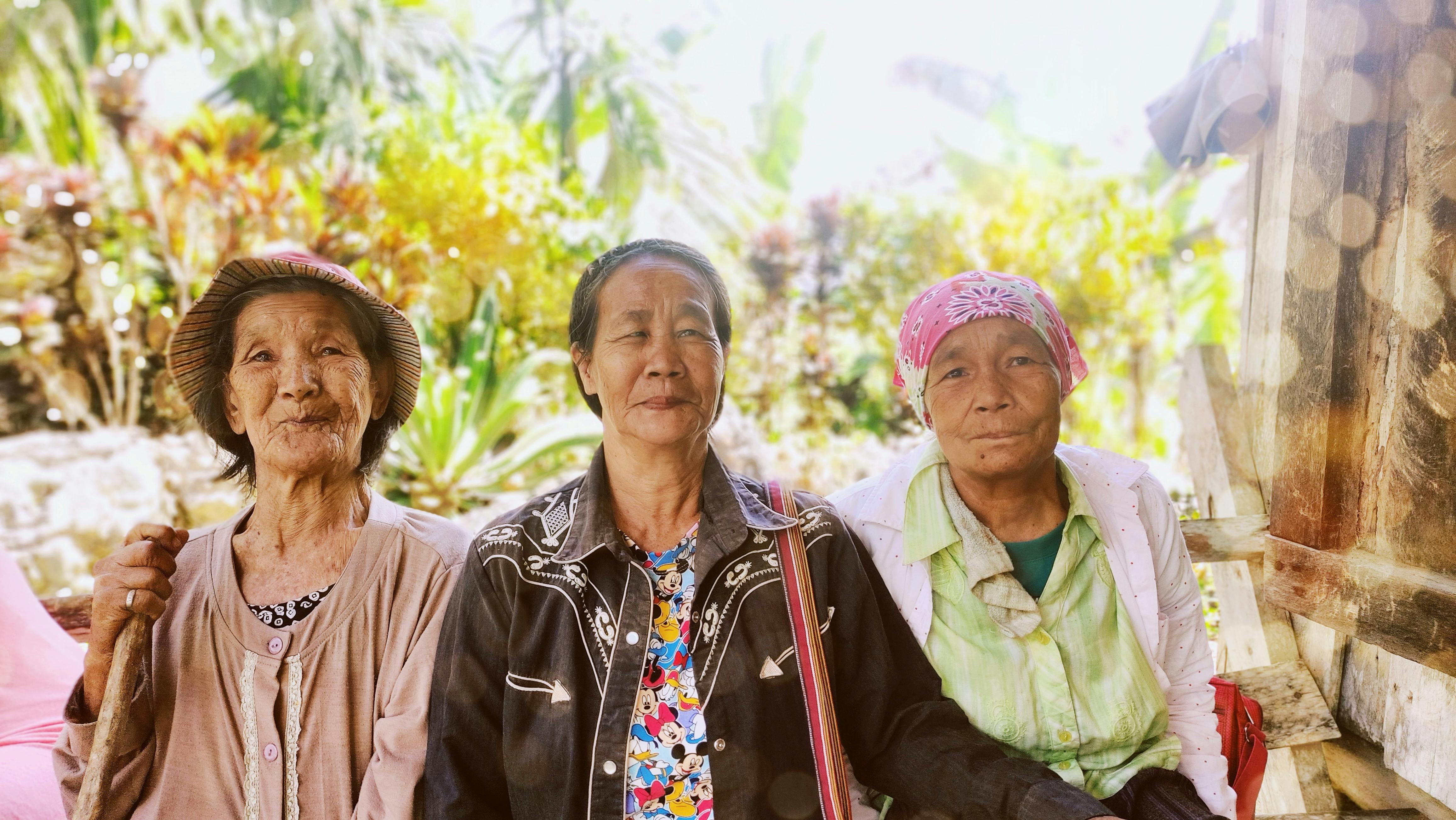

What Is Pakikiramdam?
There's a moment in every Filipino gathering when someone quietly adjusts the mood of the room without saying a word. A shift in tone, a softened joke, a careful pause before speaking. This is pakikiramdam at work. Rooted deeply in Filipino cultural values, pakikiramdam roughly translates to "shared inner perception" or "feeling one's way" through social situations. It's the practiced ability to sense what others feel, anticipate needs, and respond with sensitivity before tension ever surfaces.

Welcome to United Tribes
Where Filipino Culture Comes Alive
Join Your Tribe
Connect with your people
Discover Events
Watch parties & festivals
Find Filipino Businesses
Restaurants, markets & more
Earn Crown Credits
Get rewarded for engaging
Unlike Western concepts of emotional intelligence that often emphasize verbal expression, pakikiramdam is largely nonverbal. It operates through observation, intuition, and restraint—a cultural reflex shaped over generations of communal living and interdependent social structures.
The Cultural Roots of This Filipino Value
Filipino social behavior has always prioritized group harmony over individual assertion. This stems from a collectivist worldview in which community bonds—family, neighborhood, workplace—carry more weight than personal preferences. Within this framework, pakikiramdam becomes essential. It allows individuals to navigate relationships without disrupting the delicate balance of *hiya* (shame), *utang na loob* (debt of gratitude), and *amor propio* (self-esteem) that governs social life.
Historically, Filipino communities lived in close-knit barangays where survival depended on cooperation. Reading social cues accurately was both polite and practical. Understanding whether a neighbor was troubled, whether a leader was displeased, or whether a guest felt comfortable directly influenced community cohesion. These habits of perception became embedded in Filipino identity over centuries.
How Pakikiramdam Works in Everyday Life
Filipino emotional intelligence expressed through pakikiramdam shows up in subtle, everyday ways. Consider a family dinner where one relative arrives visibly stressed. Without being asked, another family member might quietly redirect the conversation, offer extra helpings of food, or simply sit closer—all without drawing attention to the distress. The support is offered and received without anyone naming the problem aloud.
In professional settings, pakikiramdam means reading a superior's mood before raising a concern. If the atmosphere feels tense, a Filipino employee might choose to delay a difficult conversation until the energy shifts. This behavior is not avoidant but rather a strategic sensitivity to timing.
Common expressions of pakikiramdam include:
- Lowering one's voice when sensing discomfort in the room
- Offering help before someone asks for it
- Choosing humor carefully based on the emotional temperature
- Noticing when someone wants to leave a conversation and gracefully creating an exit
- Adjusting formality based on unspoken social cues
Pakikiramdam and Conflict Avoidance
One of the most significant roles pakikiramdam plays in Filipino culture is in conflict avoidance. Confrontation is generally discouraged because it risks damaging relationships and causing *hiya*. Instead, pakikiramdam equips Filipinos with tools to sense rising tension and defuse it before it escalates.
This might look like an elder changing the subject when a disagreement begins to surface, or a friend using lighthearted teasing to release pressure in a tense conversation. The goal is always to preserve the relationship and protect everyone's dignity. This value connects closely to bayanihan and pakikisama, complementary values that emphasize mutual aid and group belonging.
The Filipino Diaspora’s Concept of Pakiramdam
For Filipino Americans, pakikiramdam takes on new complexity. Navigating between American directness and Filipino sensitivity requires constant recalibration. In workplaces that reward assertiveness, pakikiramdam can be misread as passivity. In friendships built on open communication, a preference for indirect expression can lead to misunderstandings.
Yet many Filipino Americans credit pakikiramdam as a professional and personal strength. The ability to read a room, adapt quickly, and respond with empathy is increasingly valued in leadership, healthcare, education, and service industries—fields where Filipino Americans are well represented. The spirit of resilience within Filipino American communities is deeply intertwined with this cultural skill.
Community spaces play a vital role in keeping pakikiramdam alive across generations. Filipino community centers in the U.S. serve as environments where these values are practiced, modeled, and passed down, ensuring younger generations stay connected to their cultural roots.
Reading the Room in Tables and Fiestas
Food and celebration are powerful arenas for pakikiramdam. A Filipino host constantly monitors guests—ensuring no one's plate is empty, noticing who seems quiet, checking whether anyone needs anything without waiting to be asked. This attentiveness reflects deep cultural care.
The same awareness shapes how Filipinos celebrate. Whether it's a birthday, a fiesta, or a community gathering, hosts and guests alike rely on pakikiramdam to ensure everyone feels seen and included. The way Filipinos adapt their fiestas in America demonstrates how this social awareness travels across borders, anchoring cultural identity even in new environments.
How Pakikiramdam Lives On
Pakikiramdam is a lens through which Filipinos interpret the world. This skill reflects a culture that prizes empathy, relational awareness, and collective well-being over individual expression. Understanding the meaning of pakikiramdam helps explain so much of Filipino social behavior: the thoughtful pauses, the quiet gestures of care, the preference for harmony over confrontation.
For Filipino Americans straddling two worlds, this value remains a source of strength and identity. It connects individuals to a heritage that has always known how to listen deeply, sense truly, and respond with grace. Whether in a family home, a community fiesta, or a modern workplace, pakikiramdam continues to shape how Filipinos show up for one another.
Visit United Tribes today to learn more about Filipino culture and community.
Make United Tribes Your Preferred Source
Add United Tribes on Google to get the latest stories, cultural updates, and community events directly in your Google Search and Top Stories.


