
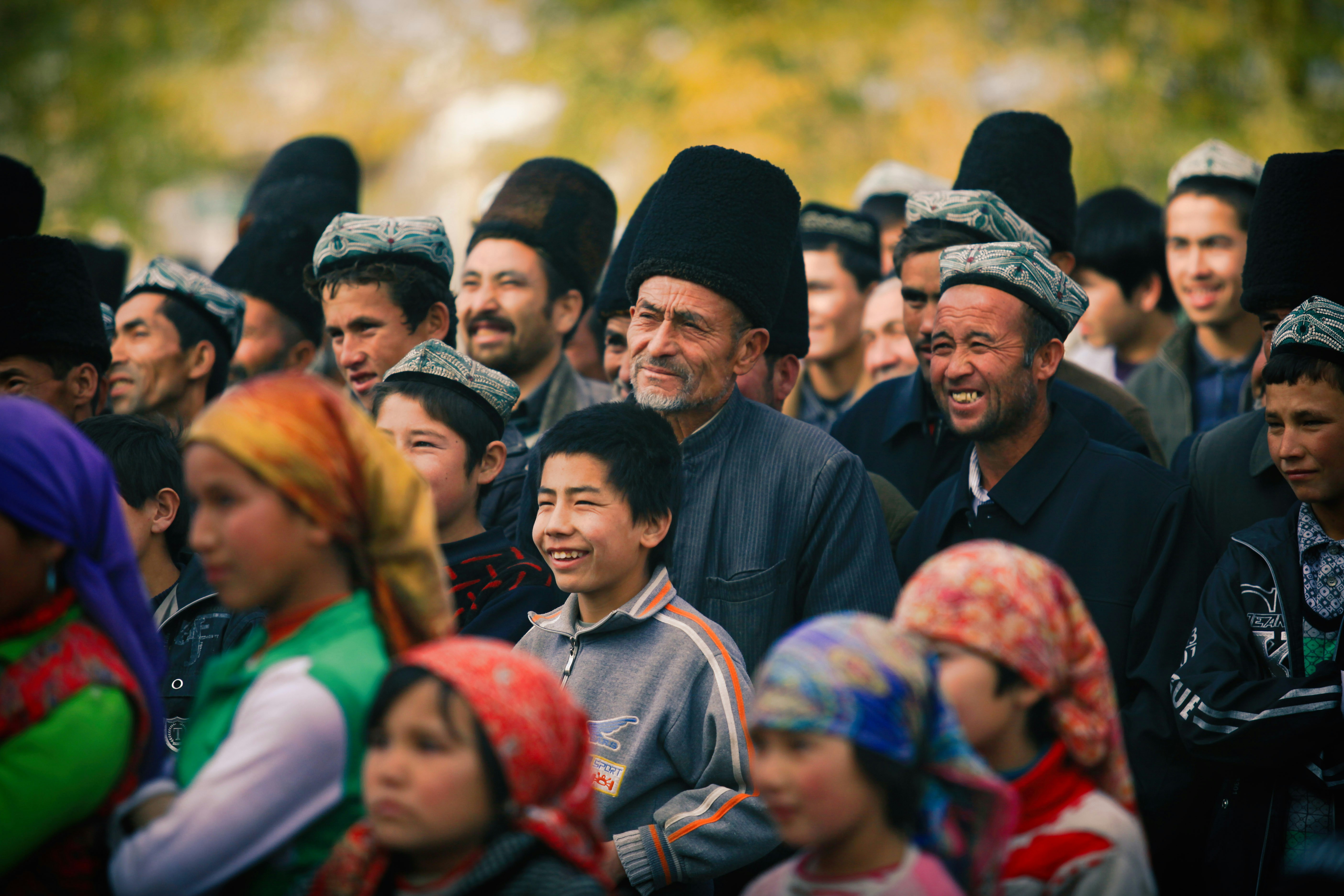

Persian culture is renowned worldwide for its extraordinary emphasis on hospitality, where the act of welcoming guests transcends mere courtesy to become a sacred art form. Persian hospitality traditions have been cultivated over millennia, creating a rich tapestry of customs that continue to define Iranian communities both in Iran and throughout the diaspora.

Welcome to United Tribes
Where Persian Culture Comes Alive
Join Your Tribe
Connect with your people
Discover Events
Watch parties & festivals
Find Persian Businesses
Restaurants, markets & more
Earn Crown Credits
Get rewarded for engaging
At the heart of Iranian hosting customs lies the belief that guests are gifts from God, deserving of the highest honor and respect. This philosophy permeates every aspect of Persian home culture, from the meticulous preparation that precedes a guest's arrival to the elaborate farewell rituals that mark their departure. Understanding these traditions offers insight into the very soul of Persian society, where hospitality serves as both a cultural cornerstone and a bridge connecting generations of Iranian families worldwide.
The Sacred Art of Guest Preparation
The preparation for receiving guests in Persian home culture begins long before anyone crosses the threshold. Iranian hosts approach this responsibility with a level of dedication that reflects the deep cultural significance placed on hospitality. Every detail, from the arrangement of furniture to the selection of refreshments, carries meaning and demonstrates respect for the anticipated visitors.
Traditional cleaning rituals underpin guest preparation. Persian homes undergo thorough cleansing, not merely for aesthetic purposes but as an expression of honor toward incoming guests. This practice, known as "khane-tekani," involves all family members and transforms the home into a spotless sanctuary worthy of welcoming esteemed visitors.
The preparation of refreshments represents another crucial aspect of Persian hosting customs. Traditional Persian households maintain a constant readiness to serve tea, sweets, and light refreshments at a moment's notice. The famous Persian tea service, complete with delicate glass cups and an assortment of traditional pastries, stands ready as a symbol of immediate hospitality and cultural pride.
Taarof: The Language of Polite Hospitality
No discussion of Persian hospitality traditions would be complete without exploring the complex social protocol known as taarof. This intricate system of polite exchanges governs virtually every interaction between hosts and guests, creating a delicate dance of offer and refusal that can bewilder outsiders but represents the pinnacle of Persian social grace.
Taarof in hosting manifests as elaborate exchanges in which hosts repeatedly offer food, drinks, and comfort to their guests, who initially decline out of politeness before eventually accepting. This ritualized interaction serves multiple purposes: it demonstrates the host's generosity, allows guests to show appropriate modesty, and creates opportunities for both parties to express mutual respect through carefully choreographed social exchanges.
The practice extends beyond simple refreshment offers to encompass seating arrangements, conversation topics, and even the timing of a guest's departure. Understanding and navigating taarof effectively requires cultural fluency that Persian children acquire from an early age, thereby ensuring the continuity of these sophisticated social traditions across generations.
The Persian Living Room: Sanctuary of Hospitality
The physical space where hospitality unfolds holds tremendous significance in Iranian culture. The traditional Persian living room, or "otagh-e-pazirayi," serves as the ceremonial heart of the home, designed specifically to honor guests and facilitate meaningful connections. Every element within this space reflects the family's commitment to Persian hospitality traditions.
Furniture arrangement follows specific cultural protocols that prioritize guest comfort and social hierarchy. The most honored position, typically facing the entrance and offering the best view of the room, remains reserved for the most distinguished guest. Comfortable cushions, ornate carpets, and low tables create an atmosphere that encourages relaxation and extended conversation.
Decorative elements within the hosting space often reflect Persian cultural heritage through traditional artwork, family photographs, and cherished heirlooms. These items serve dual purposes: they beautify the environment while providing conversation topics that allow hosts to share their family history and cultural background with interested guests.
Traditional Persian Refreshment Customs
The offering and sharing of food and beverages represent the most visible aspect of Iranian hosting customs. Persian hosts take enormous pride in presenting an abundant array of refreshments that showcase both their culinary skills and their respect for guests. These offerings follow established patterns that have remained consistent across generations of Persian families.
Tea service traditions hold particular importance in Persian hospitality. The preparation and presentation of tea involves specific rituals, from the proper brewing techniques to the arrangement of accompanying sweets. Persian hosts often serve tea in delicate glass cups called "estekan," accompanied by sugar cubes, dates, and traditional pastries that complement the tea's robust flavor.
Fruit presentations constitute another cornerstone of Persian refreshment customs. Fresh, seasonal fruits arranged in beautiful displays demonstrate the host's attention to quality and visual appeal. The selection and preparation of these fruits often reflect the season and availability, with special attention paid to presenting them in ways that honor both their natural beauty and the guests' presence.
The preparation of traditional Persian tahdig for special occasions represents the pinnacle of Persian culinary hospitality. This beloved rice dish, with its perfectly crispy bottom layer, requires skill and timing that demonstrate a host's culinary expertise and commitment to providing memorable dining experiences.
Seasonal Celebrations and Community Hosting
Persian home culture is most evident during seasonal celebrations and cultural holidays, when hosting traditions assume added significance. These occasions provide opportunities for Persian families to showcase their hospitality on a grander scale while maintaining the intimate, personal touch that characterizes everyday hosting customs.
Nowruz Hospitality Traditions
The Persian New Year celebration of Nowruz elevates hosting traditions to their highest expression. During the thirteen days of Nowruz festivities, Persian homes become centers of continuous hospitality as families open their doors to friends, relatives, and community members. The preparation for these extended hosting periods requires weeks of alanning and demonstrates the central role that hospitality plays in Persian cultural celebrations.
Winter Solstice Gatherings
The ancient tradition of Shabe Yalda demonstrates how Persian hospitality adapts to seasonal rhythms while maintaining its essential character. During the longest night of the year, Persian families gather to share poetry, stories, and traditional foods, creating intimate settings in which hospitality fosters both cultural preservation and community bonding.
Modern Adaptations of Ancient Customs
Contemporary Persian families, particularly those living in diaspora communities, continue to honor traditional hosting customs while adapting them to modern lifestyles and multicultural environments. These adaptations demonstrate the resilience and relevance of Persian hospitality traditions in contemporary settings while maintaining their essential cultural significance.
Technology integration has influenced how Persian families prepare for and coordinate hosting activities. Modern communication methods enable more elaborate planning and coordination, while social media platforms allow families to share their hosting experiences and maintain cultural connections across geographic distances.
Cultural fusion is another notable aspect of modern Persian hospitality, in which traditional customs blend with local influences to create new expressions of hospitality that honor both Persian heritage and contemporary multicultural realities. These innovations ensure that hosting traditions remain vibrant and relevant for younger generations while preserving their essential cultural meaning.
Teaching Hospitality Values to Future Generations
The transmission of Iranian hosting customs to younger generations represents a crucial aspect of cultural preservation within Persian communities. Parents and grandparents approach this responsibility with dedication, recognizing that hospitality values underpin Persian cultural identity and community cohesion.
Role modeling is the primary means by which children learn hosting traditions. By observing their elders prepare for guests, navigate taarof exchanges, and demonstrate genuine care for visitors' comfort, young Persian Americans internalize the values and behaviors that define authentic Persian hospitality.
Gradual participation allows children to develop hosting skills, beginning with simple tasks such as arranging refreshments and gradually assuming greater responsibilities as they mature. This apprenticeship approach ensures that each generation masters both the practical skills and cultural understanding necessary to maintain these important traditions.
The integration of mehrbani and taarof principles into everyday family life creates natural learning environments in which children develop a deep appreciation for the values underlying Persian hospitality traditions.
Preserving Community Through Timeless Hospitality
Persian hospitality traditions embody the fundamental values of respect, generosity, and community connection that define Iranian cultural identity. From the intricate protocols of taarof to the careful preparation of traditional refreshments, these hosting customs create meaningful spaces in which relationships flourish, and cultural heritage thrives. The adaptation of these ancient traditions to modern contexts demonstrates their enduring relevance and the commitment of Persian families worldwide to preserving their cultural legacy.
Visit United Tribes today and find out more about Persian culture and community traditions that continue to enrich lives and strengthen bonds across generations.


