
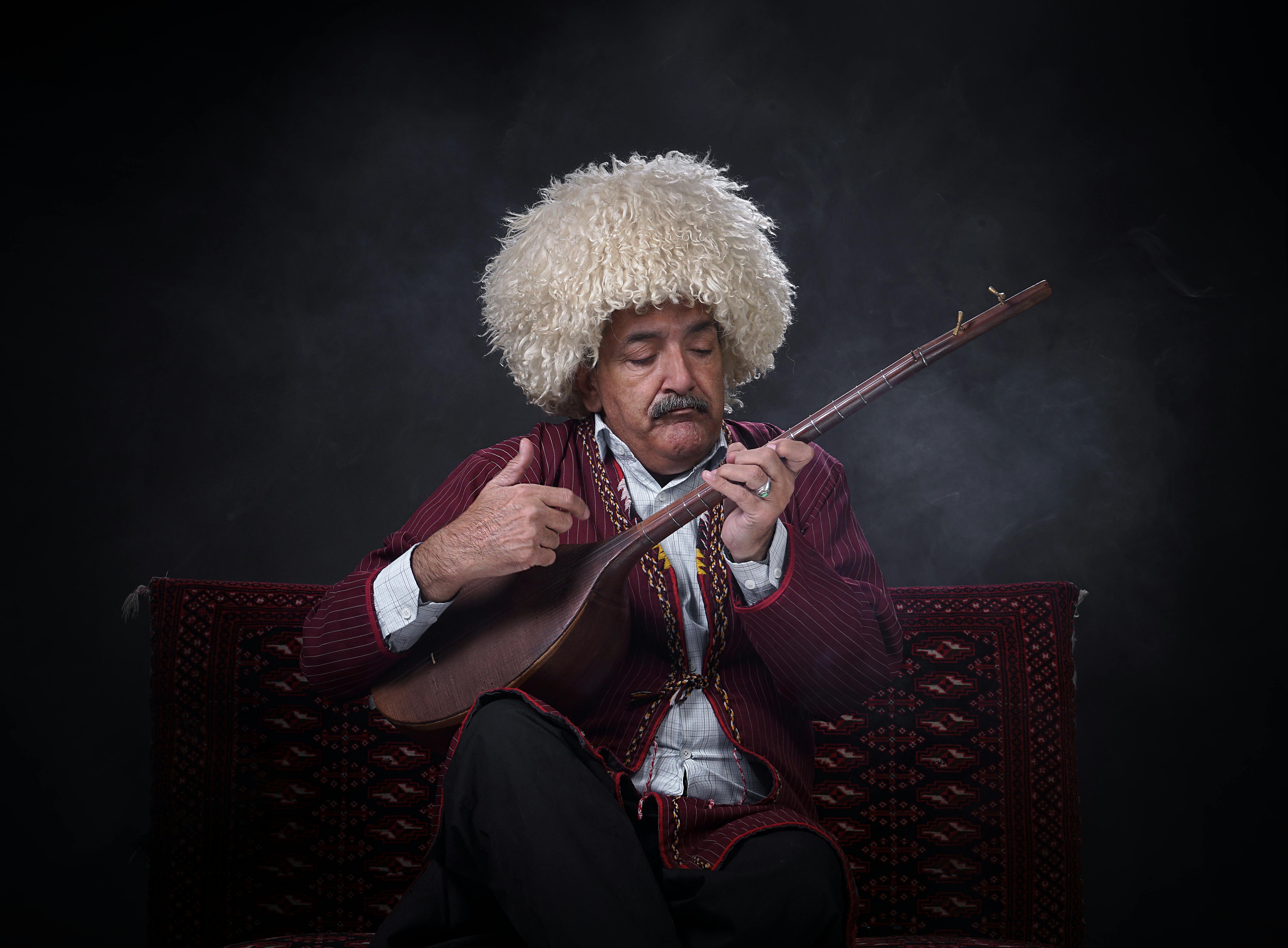

The haunting melodies of Persian music instruments have echoed through centuries, carrying the soul of Iranian culture across continents and generations. In the United States, Iranian-American musicians and cultural enthusiasts continue to breathe life into these ancient sounds, ensuring that traditional Persian music remains vibrant and connected to their roots. From the intricate strings of the tar to the resonant percussion of the daf, each instrument tells a story of artistic mastery and cultural preservation that transcends geographical boundaries.
The Majestic Tar: Crown Jewel of Persian Strings
The tar stands as perhaps the most iconic of all Persian music instruments, with its distinctive long neck and double-bowl body creating a silhouette instantly recognizable to music lovers worldwide. This six-stringed wonder produces sounds that range from delicate whispers to powerful crescendos, making it the cornerstone of Iranian traditional music ensembles.

Welcome to United Tribes
Where Persian Culture Comes Alive
Join Your Tribe
Connect with your people
Discover Events
Watch parties & festivals
Find Persian Businesses
Restaurants, markets & more
Earn Crown Credits
Get rewarded for engaging
Construction and Design Elements
The tar's construction represents centuries of refined craftsmanship, with its body traditionally made from mulberry wood and its face covered with lambskin. The instrument's 25 to 28 frets allow for the microtonal intervals essential to Persian classical music, enabling musicians to execute the intricate ornamentations that define this musical tradition. Iranian-American luthiers across the United States have adapted traditional construction methods, sourcing materials locally while maintaining authentic sound quality.
Modern Persian Tar Communities
In cities like Los Angeles, San Francisco, and New York, Persian tar masters conduct workshops and private lessons, passing down techniques that have remained largely unchanged for generations. These musicians often perform at cultural events and Persian New Year celebrations, where the tar's melodic voice serves as a bridge between the diaspora community and their ancestral homeland.
Santur: The Hammered Dulcimer of Persia
The Persian santur represents one of the most mathematically precise instruments in traditional music, with its 72 strings arranged in groups of four across a trapezoidal soundboard. Musicians use lightweight hammers called mezrab to strike the strings, creating cascading melodies that seem to dance through the air with ethereal beauty.
Technical Mastery and Performance
Playing the santur requires extraordinary coordination and precision, as performers must navigate multiple string courses while maintaining rhythmic accuracy. The instrument's range spans approximately three and a half octaves, allowing for both melodic lines and harmonic accompaniment. Iranian-American santur players have found innovative ways to incorporate the instrument into fusion genres while respecting its classical foundations.
Cultural Significance in American Persian Communities
The santur holds special importance in Persian poetry recitations and intimate musical gatherings called mehmoonis. Many Iranian families in the United States maintain santurs in their homes, viewing the instrument as both a musical tool and a cultural artifact that connects them to Persian artistic heritage, much like how Persian tea culture serves as a daily ritual in Iranian-American homes.
Daf: The Sacred Frame Drum
The daf occupies a unique position among Persian music instruments as both a rhythmic foundation and a spiritual conduit. This large frame drum, typically measuring 20 inches in diameter, features metal rings attached to its interior frame that create a shimmering effect when played, adding textural complexity to its percussive voice.
Spiritual and Mystical Connections
Traditionally associated with Sufi ceremonies and mystical poetry, the Persian daf carries deep spiritual significance that extends beyond mere musical accompaniment. The drum's circular shape symbolizes the cosmos, while its rhythmic patterns are believed to induce meditative states and spiritual transcendence.
Contemporary Daf Communities
Iranian-American percussion ensembles have embraced the daf as a central element in their performances, often combining it with other Middle Eastern drums to create rich polyrhythmic textures. The instrument's versatility has made it popular in world music circles, where Persian drummers collaborate with musicians from various cultural backgrounds while maintaining the daf's authentic playing techniques.
Preservation Through Education and Performance
The survival of Iranian traditional music in American communities depends largely on dedicated educators and performers who view themselves as cultural ambassadors. Music schools in areas with significant Persian populations offer specialized programs focusing on traditional instruments, often incorporating elements of Persian poetry and cultural history into their curricula.
Digital Age Adaptations
Modern technology has revolutionized how Persian music instruction occurs, with online platforms connecting students across the United States with master musicians worldwide. Video lessons, virtual concerts, and digital sheet music have made these traditional instruments more accessible to younger generations of Iranian-Americans who might otherwise lose touch with their musical heritage.
Festival and Concert Circuits
Persian music festivals throughout the United States showcase the full spectrum of traditional instruments, from solo tar performances to large ensemble pieces featuring multiple santurs and dafs. These events serve as crucial gathering points for the Persian-American community, reinforcing cultural bonds while introducing non-Persian audiences to the sophisticated beauty of this musical tradition, similar to how Persian gardens provide inspiration and symbolism in Iranian culture.
Regional Variations and Innovations
Different regions of Iran have developed distinct approaches to playing traditional instruments, and these regional styles have found expression within American Persian communities. Musicians from various Iranian provinces bring their local interpretations to the broader Persian music tradition landscape, creating a rich tapestry of sounds and techniques.
Fusion and Contemporary Applications
While maintaining respect for traditional forms, many Iranian-American musicians explore fusion possibilities, incorporating Persian instruments into jazz, classical, and contemporary compositions. This innovative approach has introduced Persian musical elements to broader American audiences while providing new creative outlets for traditional instrumentalists.
The influence of Persian artistic traditions extends beyond music into other cultural expressions, much like how Persian new wave cinema has influenced artistic communities in the United States, demonstrating the interconnected nature of cultural preservation across different art forms.
Sustaining Musical Heritage
The resonant voices of Persian music instruments continue to weave their ancient magic throughout Iranian-American communities across the United States. Through dedicated musicians, educators, and cultural organizations, these traditional sounds maintain their authenticity while adapting to contemporary contexts, ensuring that future generations will inherit this precious musical legacy.
The preservation of traditional Persian musical instruments represents more than mere cultural maintenance. It embodies the living spirit of a civilization that has gifted the world with unparalleled artistic beauty. As Iranian-Americans gather to celebrate their heritage through music, they create spaces where tradition and innovation coexist harmoniously, strengthening community bonds while sharing their rich cultural treasures with the broader American landscape.
Visit United Tribes today and find out more about Persian culture and community events, where the timeless sounds of traditional instruments continue to unite hearts and preserve the artistic soul of Iran.
Make United Tribes Your Preferred Source
Add United Tribes on Google to get the latest stories, cultural updates, and community events directly in your Google Search and Top Stories.


