
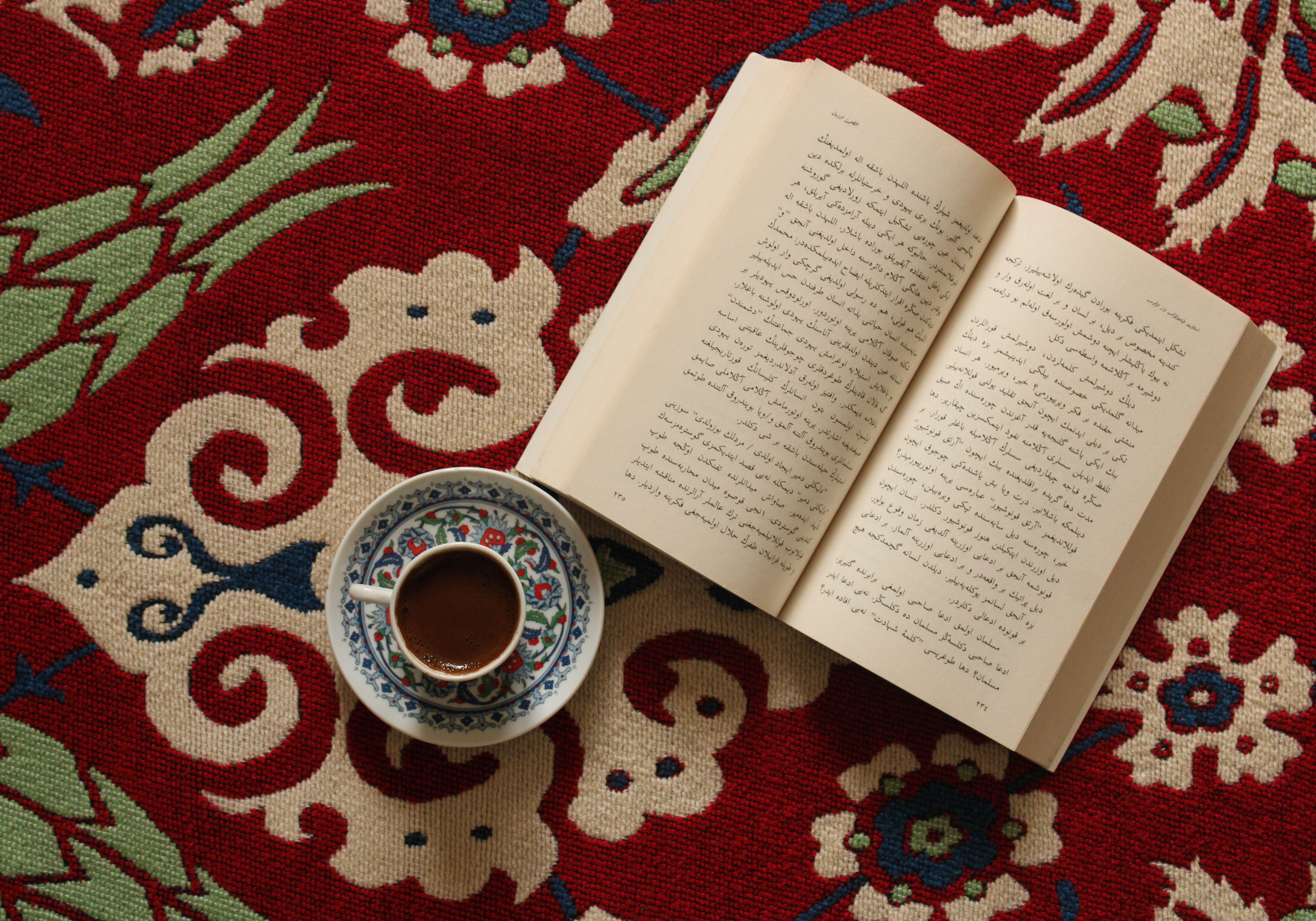

Walk into any Iranian home, and you will not be there long before someone reaches for a proverb. These short, layered phrases — passed down through grandparents, aunts, and family elders — carry centuries of Persian philosophy inside just a handful of words. Farsi proverbs are tools: for comfort, correction, humor, and wisdom delivered in a way that a direct statement never quite could. For Iranian-Americans growing up between two cultures, these sayings often become one of the most vivid threads connecting them to their heritage.
Why Proverbs Matter So Much in Persian Culture
In Persian culture, indirect communication has always been valued. Rather than confronting someone bluntly or stating a lesson too plainly, Iranian sayings wrap the message in metaphor, nature, or storytelling. This aligns closely with the social customs around *taarof* — the elaborate Iranian system of politeness and restraint explored in depth in this piece on understanding Persian hospitality and taarof. Proverbs operate on a similar principle: the surface meaning deflects, while the real lesson lands softly but clearly.

Welcome to United Tribes
Where Persian Culture Comes Alive
Join Your Tribe
Connect with your people
Discover Events
Watch parties & festivals
Find Persian Businesses
Restaurants, markets & more
Earn Crown Credits
Get rewarded for engaging
For Iranian families in the U.S., Persian proverbs also serve as a form of language preservation. When a grandmother reaches for a Farsi saying rather than its English equivalent, she is keeping the language alive inside the family.
Proverbs About Patience and Timing
One of the most commonly heard Farsi proverbs in Iranian homes is:
*"Sabr talkh ast, vali bar shirin darad."*
"Patience is bitter, but its fruit is sweet."
This is the saying you hear when a teenager is frustrated waiting for something, or when an adult is struggling through a hard season of life. It acknowledges the difficulty honestly — patience *is* bitter — before redirecting toward the reward. It does not dismiss the struggle. That nuance is part of what makes Persian expressions so emotionally intelligent.
Another common proverb about patience translates roughly as: "Haste is from the devil, and patience is from God."* You will hear this when someone is rushing a decision or cutting corners. It carries a moral weight that a simple "slow down" never would.
Proverbs About Self-Reliance and Inner Strength
*Az to harakat, az Khoda barakat."*
"From you the movement, from God the blessing."
This one shows up constantly in Iranian households when someone is hesitating or waiting for circumstances to change on their own. The meaning is clear: do your part first. The spiritual and practical are woven together here in the way that defines much of Persian culture — faith and personal responsibility are not opposites but partners.
This philosophy runs deep in the Iranian worldview, one rooted in thousands of years of poetry, philosophy, and resilience. The wisdom of Persian roots explored on United Tribes traces exactly this kind of inner-strength tradition through the Iranian cultural lens.
Proverbs That Use Humor to Deliver Truth
Not all Iranian sayings are solemn. Some are sharp, funny, and a little cutting — in the best possible way.
*Khoda bede, az kas nagir."*
"May God give, [so] you don't have to take from anyone."
On the surface, this sounds like a blessing. In practice, it is a reminder of the deep Iranian value placed on self-sufficiency and dignity. Depending on the tone of delivery, it can also be a gentle rebuke toward someone leaning too heavily on others.
Then there is: *"Dig be dig mige rooet siyahe"* — literally, "The pot calls the kettle black." Yes, Iranians have their own version of this one, and it lands with the same knowing laugh in a Farsi-speaking household as it does in English. The humor bridges cultures even when the language does not.
Proverbs About Kindness and Human Connection
*"Yek dast seda nadare."*
"One hand makes no sound."
This proverb captures the Iranian emphasis on community, cooperation, and the limits of going it alone. You cannot clap with one hand — and you cannot truly thrive without the people around you. It is the kind of wisdom that surfaces during family disagreements or when someone has isolated themselves from their support network.
This spirit of collective kindness is deeply tied to concepts such as *mehrbani*, the Iranian practice of generosity that extends far beyond mere politeness. The relationship between kindness and social connection in Iranian life is thoughtfully examined in this article, which explores mehrbani and taarof as pillars of Iranian society.
How These Sayings Travel Between Generations
For many Iranian-Americans, Persian proverbs are among the first full Farsi phrases they truly memorize. A grandmother correcting behavior with a proverb is also, whether she intends it or not, giving her grandchild a piece of the language, a piece of history, and a piece of identity all at once.
This is why proverbs sit alongside Persian poetry as one of the most powerful carriers of cultural memory. The lyrical tradition that connects everyday speech to great literary works is explored in the United Tribes article on Persian poetry and its timeless beauty; the line between a proverb and a poetic verse in Persian culture is often razor-thin.
Words That Carry a Culture Forward
Persian proverbs are living language, pulled out at kitchen tables, used to settle arguments, whispered as comfort, and deployed with a raised eyebrow and a knowing smile. Each one contains a worldview: patient, communal, spiritually grounded, and sharp-witted all at once. For Iranian families navigating life between two cultures, these sayings are one of the most portable and enduring ways to pass something irreplaceable from one generation to the next.
Whether you grew up hearing these phrases or are encountering them for the first time, they offer a window into a culture with extraordinary depth. The art of Persian storytelling — from ancient epics to modern conversations — shares a root with these proverbs: the belief that a well-chosen word can do what no lecture ever could.
Head to the United Tribes Iranian community page to discover Persian-owned businesses, cultural events, and stories that keep this rich heritage visible and connected across the U.S.
Make United Tribes Your Preferred Source
Add United Tribes on Google to get the latest stories, cultural updates, and community events directly in your Google Search and Top Stories.


