
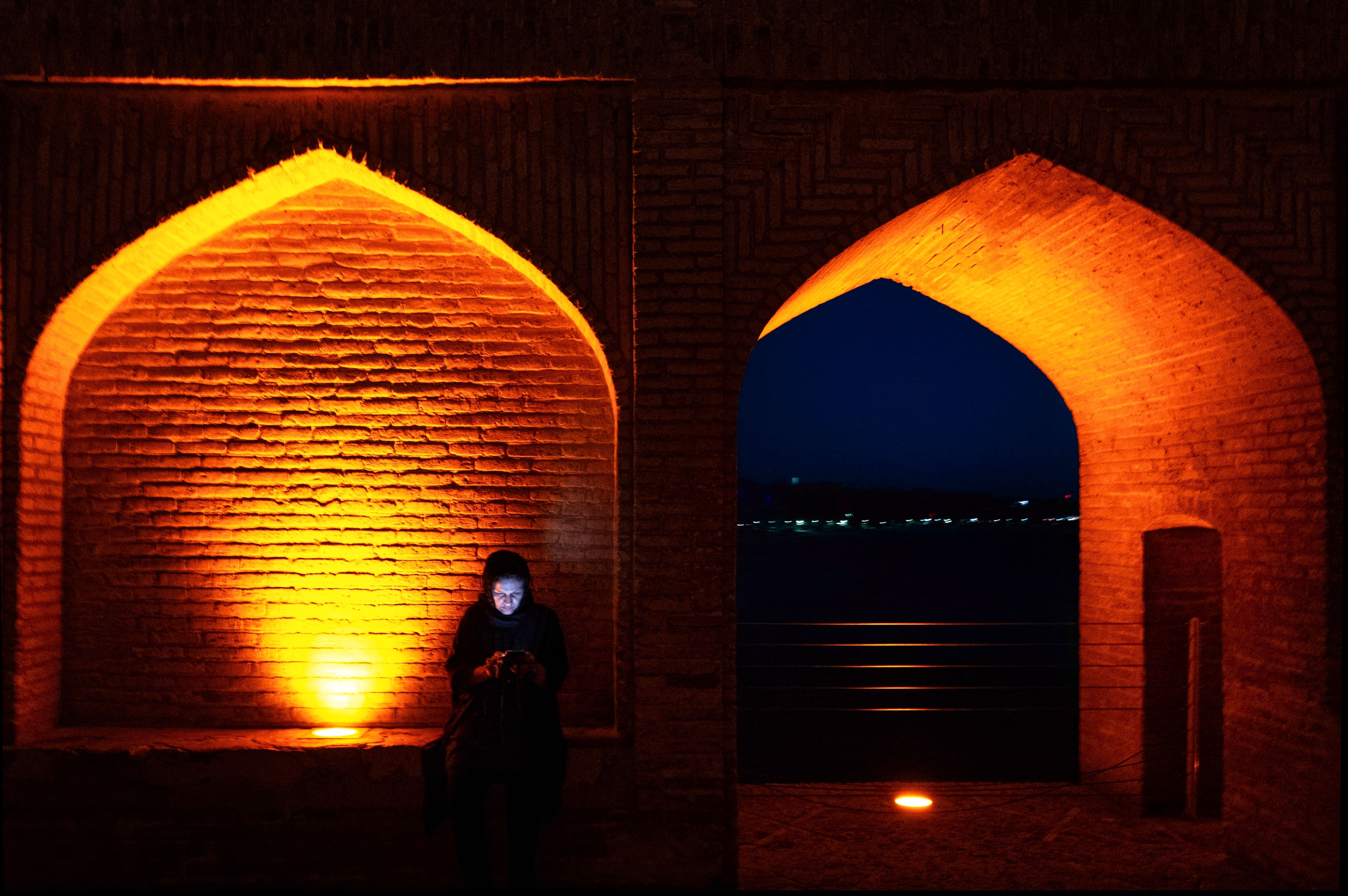

When the summer sun finally dips below the horizon, and a gentle warmth lingers in the air, something almost ceremonial takes place in Persian households. Chairs and cushions appear in gardens and on rooftops. A samovar begins to hiss. Platters of watermelon, cherries, and stone fruit are carried outside. Voices rise and fall in easy conversation, laughter punctuates the night, and time slows down deliberately. This is the Persian summer evening, a living, breathing tradition that has anchored Iranian family life for centuries.
The Garden as Sacred Space
The concept of the garden holds extraordinary meaning in Persian culture. The word "paradise" itself derives from the Old Persian *pairi-daēza*, meaning a walled garden, a sanctuary of beauty, shade, and abundance. To gather in a garden during summer is not simply a practical escape from the heat; it is an act that resonates with deep cultural memory.

Welcome to United Tribes
Where Persian Culture Comes Alive
Join Your Tribe
Connect with your people
Discover Events
Watch parties & festivals
Find Persian Businesses
Restaurants, markets & more
Earn Crown Credits
Get rewarded for engaging
In Iran, courtyards with central pools, fruit trees, and fragrant flowers have historically served as the heart of the home. Even in diaspora communities across the United States, Persian families recreate this spirit, tending backyard gardens with rose bushes, herbs, and jasmine, then drawing family and friends into that space on warm evenings. The symbolism embedded in Persian garden design reflects a worldview that treats nature not as backdrop, but as participant in human life.
Tea at the Center of Everything
No Persian summer evening exists without tea. Persian tea culture is a language of welcome, a ritual of presence, and a structure around which conversation naturally flows. Tea is brewed strong in a small pot resting atop a samovar, then diluted to each person's preference. It arrives in delicate glass cups, often accompanied by sugar cubes held between the teeth as the tea is sipped through them.
The act of offering tea is one of the first gestures of hospitality any guest receives. Refusing it, at least initially, would feel socially strange. As explored in the deeper rhythms of Persian tea as a daily ritual, this practice carries the same weight in Iranian-American homes as it does in Tehran — the geography changes, but the meaning doesn't.
Fresh Fruit and the Language of Abundance
Alongside tea, fresh fruit plays a starring role in Persian summer gatherings. It is fruit arranged with care, often peeled and sliced tableside, presented as an expression of generosity.
Watermelon is the undisputed centerpiece of Iranian summer evenings. Its arrival signals the season has truly arrived. Cherries, plums, figs, peaches, and grapes follow in abundance. In many households, fruit is also served with a pinch of salt or a sprinkling of dried herbs, a distinctly Iranian touch that balances sweetness with savory depth.
This abundance is intentional. In Persian hospitality, offering more than enough is a form of love. A host who provides lavishly communicates that guests are valued, that their presence matters, that no effort was too great to welcome them properly.
Taarof: The Etiquette Beneath the Hospitality
Beneath the warmth of these summer gatherings runs a sophisticated social code known as taarof, the Iranian art of politeness, deference, and ceremonial generosity. A guest is expected to decline the first offer of food or refreshment. The host insists. The guest yields. This exchange, which can seem puzzling to outsiders, is actually a finely tuned dance of mutual respect.
Understanding taarof is essential to understanding why Persian hospitality feels so layered and intentional. It is a genuine expression of cultural values that prioritize the comfort and dignity of others. The full texture of this social etiquette is worth exploring through the nuances of taarof in Persian culture, which reveals how deeply these customs shape everyday interaction.
Conversation, Humor, and the Art of Staying Late
Persian summer evenings are not rushed. Guests arrive, settle in, and stay, often for hours beyond what anyone planned. Conversation moves fluidly from family news to politics, poetry, nostalgia, and humor. Iranians have a rich tradition of wit and wordplay, and laughter is never far from the surface.
The evening gathering becomes its own informal theater. Elders share memories. Younger generations absorb stories. Someone recites a line of Hafez or Rumi from memory, and the table falls briefly quiet in appreciation. Then someone cracks a joke, and the moment breaks open again into laughter. This interplay of depth and lightness, the Persian art of humor woven into social life, is itself a kind of cultural inheritance passed between generations.
The Diaspora Summer Evening
For Iranian-Americans, these outdoor gatherings carry additional weight. They become acts of cultural preservation, deliberate choices to hold onto something essential across distance and time. In cities like Los Angeles, Washington D.C., and Houston, where Persian communities are well-established, summer evenings might unfold in suburban backyards filled with the same rituals carried from Iran: the samovar, the fruit platters, the unhurried conversation.
For younger generations raised in the United States, these evenings are often their most vivid connections to Iranian traditions, the sensory memories of jasmine at dusk, the clink of glass teacups, the sound of Farsi mixing with English as cousins talk across the yard.
Summer Evenings Worth Celebrating Together
The Persian summer evening is deceptively simple on the surface, but it carries within it an entire philosophy of living. It says that time spent with people you love is never wasted, that hospitality is a form of art, and that beauty matters. These values, rooted in centuries of Iranian culture, travel with diaspora communities and continue to shape how Persian-American families build their lives in the United States.
For those inside the community, these gatherings are homecoming. For those outside it, they are an invitation, a glimpse into a culture that has always understood that the best things in life happen when you pull up a chair, pour the tea, and stay a while.
The families, hosts, and cultural keepers who carry these traditions forward deserve to be seen — connect with the Persian community and discover their stories on United Tribes.
Make United Tribes Your Preferred Source
Add United Tribes on Google to get the latest stories, cultural updates, and community events directly in your Google Search and Top Stories.


