
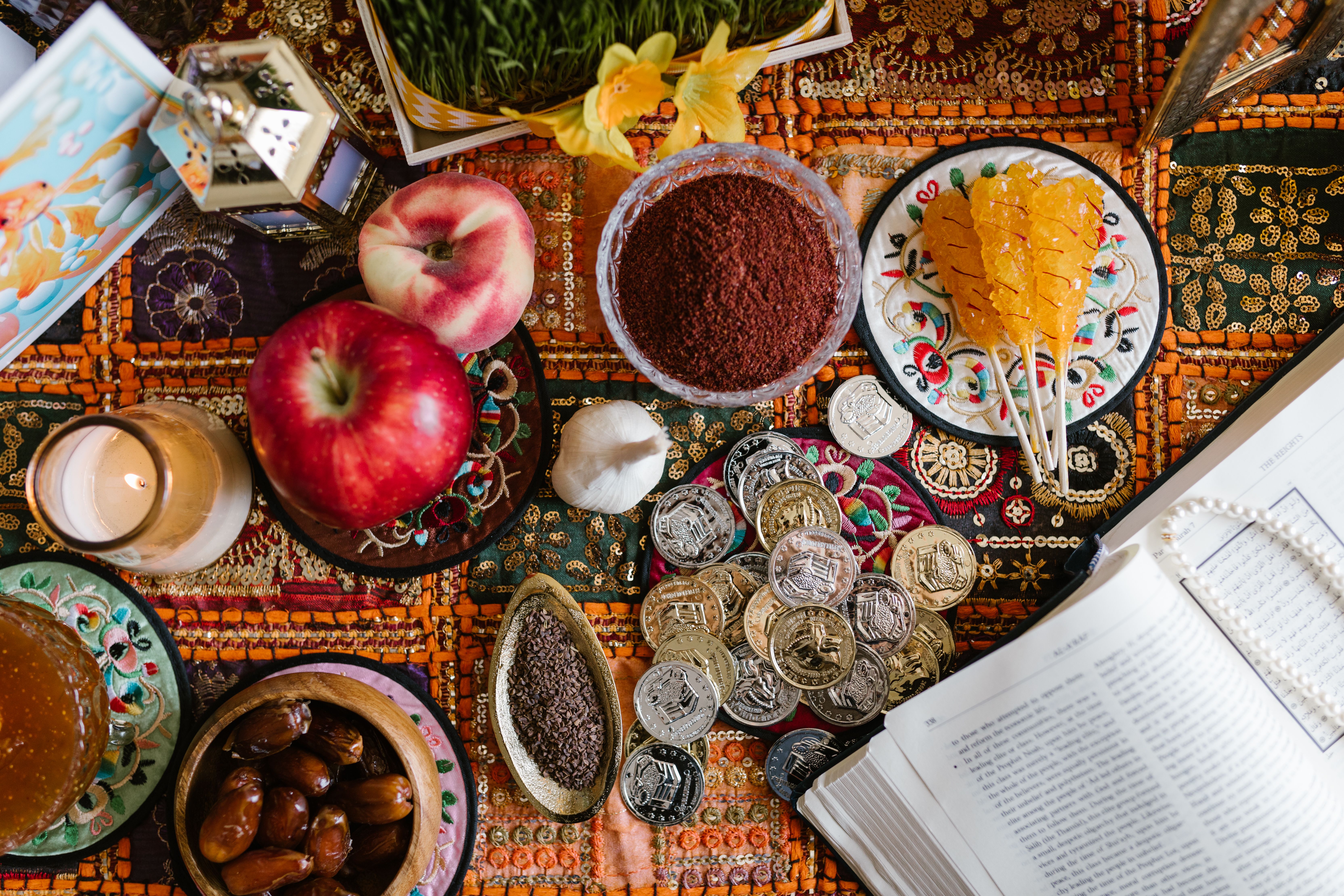

Summer in Iran is a sensory experience. Markets overflow with stone fruits, fragrant herbs spill from baskets, and the air carries the scent of dried limes and rosewater. For Persian families both in Iran and across the United States, summer is a ritual of gathering, cooking, and honoring ingredients at their peak. Persian summer food is defined by freshness, balance, and the deeply rooted belief that a meal shared is a meal multiplied.
The Herb Platter: Sabzi Khordan at the Center of Every Table
No Persian summer table is complete without sabzi khordan, a generous platter of fresh herbs served alongside nearly every meal. Radishes, scallions, fresh mint, basil, tarragon, and fenugreek leaves form the backbone of this beloved tradition. These aren't garnishes. They're active participants in the meal, wrapped into bites of flatbread with cheese and walnuts, or eaten between spoonfuls of rice.

Welcome to United Tribes
Where Persian Culture Comes Alive
Join Your Tribe
Connect with your people
Discover Events
Watch parties & festivals
Find Persian Businesses
Restaurants, markets & more
Earn Crown Credits
Get rewarded for engaging
Persian herbs carry both culinary and cultural weight. Mint cools, tarragon brightens, and basil adds a sweetness that pairs beautifully with grilled meats. In summer specifically, herbs are at their most vibrant, and Iranian cuisine leans into that abundance unapologetically. The herb platter reflects a philosophy embedded in Persian cooking: the body should be in balance, and fresh, cooling greens are essential when temperatures rise.
Yogurt as a Summer Staple: Mast and Its Many Forms
Mast, a Persian-style yogurt, is arguably the most versatile ingredient in an Iranian summer kitchen. Thick, tangy, and cooling, it appears in everything from side dishes to drinks. Mast-o-khiar, yogurt combined with cucumber, dried mint, and sometimes raisins or walnuts, is a classic summer preparation that doubles as a dip, a side, or a light meal on its own.
Doogh, the beloved Persian yogurt drink, becomes indispensable in hot months. Thinned with water, seasoned with salt and dried mint, and sometimes lightly carbonated, doogh is served ice-cold alongside grilled meats and rice dishes. It's both refreshing and digestive, a natural fit for long outdoor meals. For deeper insight into how these flavors are achieved, timeless Persian cooking techniques offer a strong foundation for anyone looking to recreate authentic results at home.
Stone Fruits and Melons: Summer's Sweetest Offerings
Iranian summers produce some of the world's most prized fruits, and Persian summer food traditions reflect this abundance with pride. Sour cherries, apricots, plums, and peaches find their way into both savory and sweet applications. Albaloo polo, sour cherry rice, is a summer showpiece, combining tart cherries with saffron-scented basmati and often lamb or chicken.
Melons hold a near-sacred place at the summer table. Persian cantaloupe varieties, known for their intensely floral sweetness, are served cold and eaten with cheese or simply on their own after a meal. Watermelon appears at nearly every evening gathering, sliced and shared communally as the sun sets. This fruit-forward generosity reflects the seasonal rhythm that has guided Iranian cuisine for centuries.
Grilling Culture: Kabab and the Outdoor Summer Meal
Summer in Persian culture is synonymous with outdoor cooking. Kabab koobideh, seasoned ground lamb or beef molded onto flat skewers, is grilled over hot coals and served with saffron rice, grilled tomatoes, and fresh flatbread. Jujeh kabab, marinated saffron-and-lemon chicken, is another warm-weather staple, its golden color as iconic as its flavor.
The ritual around grilling is as important as the food itself. Families gather in backyards, parks, and riverside spots across Iran and, increasingly, in Persian-American communities from Los Angeles to Houston. These meals are afternoon-to-evening affairs built around conversation, music, and the slow pleasure of food cooked with intention. The regional diversity of Iranian dishes goes well beyond the grill, but in summer, the flame holds court.
Sharing the Table: Hospitality as Ingredient
Persian hospitality transforms every summer meal into an occasion. The concept of taarof, the elaborate social dance of offering, refusing, and accepting, shapes how food is presented and received. Guests are always served first and served generously. Platters are refilled without being asked. Refusing food is itself a form of politeness, requiring the host to insist. Understanding the etiquette behind taarof reveals just how deeply hospitality is woven into the fabric of Persian meals.
Summer amplifies this culture of abundance. Tables grow longer. Dishes multiply. The meal is never quite finished: there's always another fruit plate, another pot of tea, another round of sweets. This communal generosity is one of the most distinctive aspects of Iranian cuisine, and it's something Persian-American families work hard to preserve across generations.
Spice, Saffron, and the Flavors That Define the Season
Summer Persian cooking relies on a specific aromatic palette. Saffron, dried limes, turmeric, and dried herbs like fenugreek and dried mint appear across dozens of dishes. The essential spices of Persian food traditions offer a detailed look at how these ingredients function, but in summer specifically, the combination of saffron's warmth with cooling yogurt and fresh herbs creates a balance that is uniquely, unmistakably Persian.
Persian-American communities have also brought these flavors into new culinary conversations, with Iranian chefs and home cooks reinterpreting traditional summer dishes for American palates. The influence of Persian cuisine on American dining is growing steadily, and summer's herb-bright, fruit-forward flavors are leading that charge.
Summer Flavors Worth Gathering Around
Persian summer food is a living tradition carried forward through shared tables, seasonal ingredients, and the quiet insistence that meals should be slow, generous, and made with care. From the crunch of sabzi khordan to the chill of a perfectly ripe melon, every element of an Iranian summer meal reflects a culture that has long understood how to eat in harmony with the season.
For Persian-American families, these traditions serve as anchors, connecting younger generations to a heritage that extends far beyond borders. Whether you're recreating kabab koobideh in a backyard in Glendale or setting out a full herb platter at a family picnic in Chicago, the spirit of the Persian summer table travels well.
Head to the United Tribes community hub to connect with Persian businesses, discover cultural events near you, and explore the full richness of Iranian food and heritage across America.
Make United Tribes Your Preferred Source
Add United Tribes on Google to get the latest stories, cultural updates, and community events directly in your Google Search and Top Stories.


