
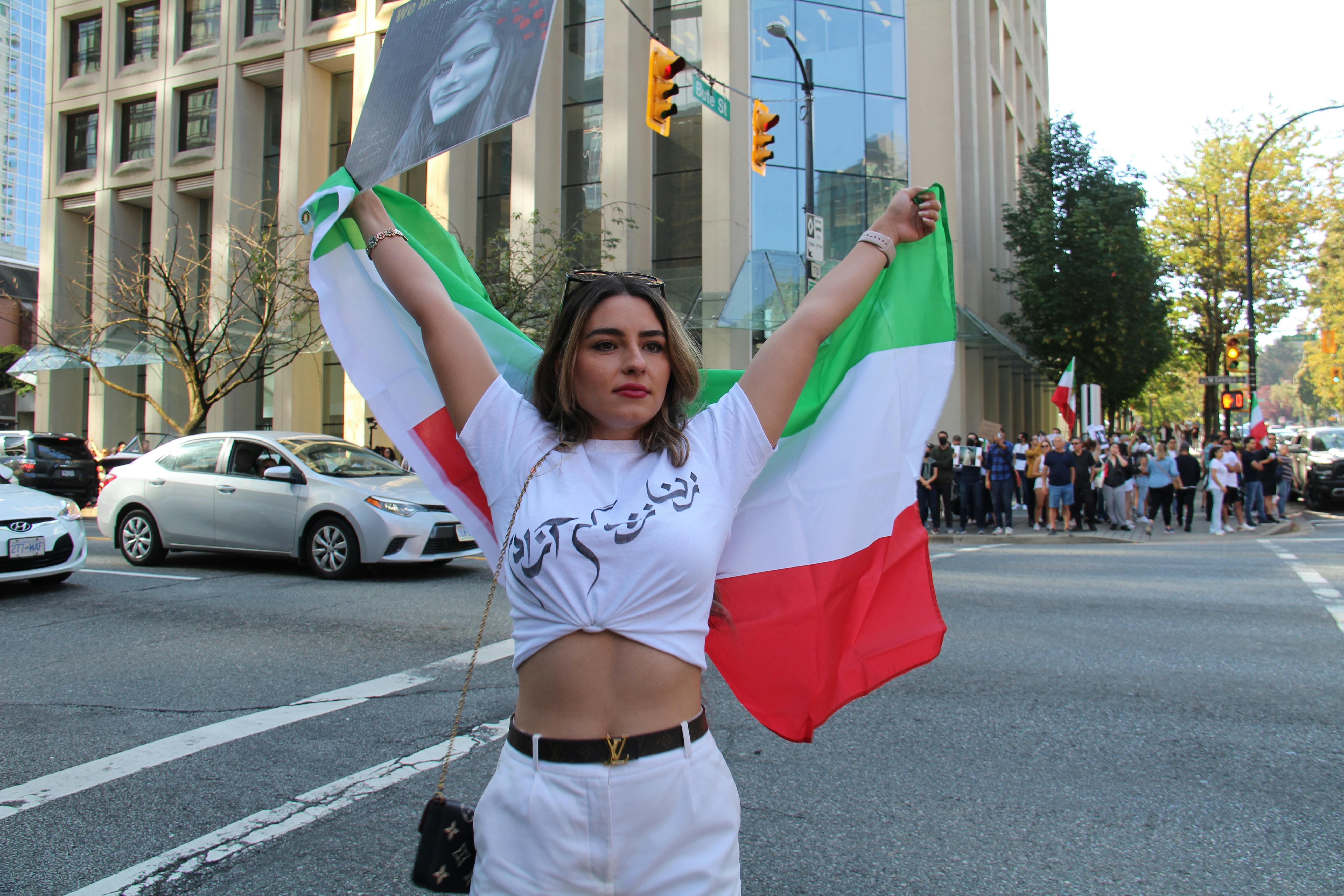

In the rich tapestry of American art, Iranian women artists stand as powerful voices of resilience, weaving together threads of heritage, identity, and contemporary expression. These talented creators have carved out spaces where Persian traditions meet modern American experiences, resulting in artwork that speaks to both personal journeys and universal themes of belonging, freedom, and cultural preservation. Their contributions to Persian art represent not just individual achievements but a collective movement that bridges two worlds while honoring ancestral wisdom.
The Journey of Identity Through Art
Iranian-American creativity often emerges from the complex navigation of dual identities. Women artists from Persian backgrounds face unique challenges as they navigate the balance between traditional expectations and contemporary artistic freedom. Their work frequently explores themes of displacement, memory, and the search for belonging in a new homeland while maintaining connections to their rich cultural heritage.

Welcome to United Tribes
Where Persian Culture Comes Alive
Join Your Tribe
Connect with your people
Discover Events
Watch parties & festivals
Find Persian Businesses
Restaurants, markets & more
Earn Crown Credits
Get rewarded for engaging
Many of these artists draw inspiration from their family histories, incorporating elements of Persian poetry, calligraphy, and traditional motifs into contemporary mediums. This fusion creates a distinctive aesthetic that resonates with the diaspora experience while making Persian culture more accessible to a broader American audience. The resulting artwork often serves as a bridge between generations, helping younger Iranian-Americans connect with their roots while establishing their own creative voices.
The artistic journey for these women often begins with personal exploration but evolves into cultural advocacy. Through galleries, community centers, and digital platforms, they create spaces where Persian stories can be shared and celebrated, contributing to the preservation and evolution of their heritage in America.
Contemporary Voices in Persian-American Art
Visual Artists Breaking Boundaries
Contemporary Iranian women artists working in America have gained recognition for their innovative approaches to traditional themes. Painters, sculptors, and mixed-media artists incorporate Persian miniature techniques, Islamic geometric patterns, and Farsi calligraphy into their modern compositions, addressing current social and political issues.
These artists often work with materials that hold cultural significance, such as textiles reminiscent of Persian carpets, spices that evoke memories of family kitchens, or photographs that document the immigrant experience. Their installations and exhibitions frequently explore the tension between preservation and adaptation, asking viewers to consider what it means to maintain cultural identity in a globalized world.
The use of color in their work often reflects Persian aesthetic traditions, with rich jewel tones and intricate patterns that echo the architectural beauty of Iranian mosques and palaces. Yet these traditional elements are reimagined through contemporary lenses, addressing themes of gender equality, political freedom, and cultural resilience.
Literary and Performance Artists
Beyond visual arts, Iranian-American women have made significant contributions to literature, theater, and performance art. Writers and poets draw from the rich tradition of Persian literature, channeling the spirit of classical poets like Hafez and Rumi while addressing contemporary experiences of immigration, identity, and belonging.
Performance artists often incorporate traditional Persian dance, music, and storytelling techniques into their work, creating immersive experiences that educate audiences about Persian culture while exploring personal narratives. These performances often occur during cultural celebrations, much like the joyous gatherings during Nowruz celebrations, which bring communities together in renewal and unity.
Exploring Heritage Through Creative Expression
The connection between Persian art and cultural heritage runs deep, with many artists serving as cultural ambassadors who introduce American audiences to the beauty and complexity of Iranian traditions. Their work often incorporates elements from Persian festivals and customs, bringing the warmth of traditions like the winter solstice celebration of Shabe Yalda into contemporary artistic spaces.
Preserving Traditional Techniques
Many Iranian-American women artists have dedicated themselves to preserving traditional Persian art forms while adapting them for contemporary contexts. This includes:
- Miniature painting: Adapting the intricate detail work of Persian manuscripts for modern themes
- Carpet weaving: Creating contemporary textile art that honors traditional knotting techniques
- Calligraphy: Incorporating Farsi script and Persian poetry into visual art installations
- Ceramic work: Drawing from centuries-old Persian pottery traditions while exploring new forms
These artists often serve as bridges between older generations who carry traditional knowledge and younger Persian-Americans seeking to connect with their heritage. Through workshops, exhibitions, and community programs, they ensure that these artistic traditions continue to evolve rather than simply survive.
Modern Interpretations of Cultural Values
The artistic work of Iranian-American women often reflects core Persian values such as mehrbani and taarof, translating these concepts of kindness and social courtesy into visual and performative expressions. Their art serves as a vehicle for sharing cultural values with broader American audiences while examining how these traditions evolve in new environments.
Challenges and Triumphs in Artistic Expression
Iranian women artists in America navigate unique challenges that often become central themes in their work. Political tensions between the United States and Iran can evoke complex emotions regarding cultural identity and artistic expression. Many artists address these challenges head-on, using their platforms to promote understanding and break down stereotypes about Persian culture and Iranian people.
Overcoming Stereotypes and Misconceptions
Through their artistic work, these women challenge one-dimensional portrayals of Iranian culture in mainstream media. Their exhibitions and performances often include educational components that provide context for Persian history, traditions, and contemporary experiences. This educational approach enables audiences to move beyond headlines and political rhetoric, appreciating the richness and diversity of Iranian culture.
The art world itself can present challenges, as some galleries and institutions may lack familiarity with Persian cultural contexts. However, many Iranian-American women artists have found success by creating their own platforms and collaborating with cultural centers and community organizations to reach audiences eager to engage with diverse artistic expressions.
Building Community Through Art
Other Iranian-American art often serves a community-building function, bringing together Persian families and individuals who might otherwise feel isolated in American cities. Art exhibitions, poetry readings, and cultural performances create spaces where Persian language, customs, and values can be celebrated and shared.
These artistic gatherings often attract not only Iranian Americans but also individuals from other cultural backgrounds who are interested in learning about Persian traditions. This cross-cultural engagement helps build bridges and promotes the kind of understanding that figures like Roxana Moslehi exemplify through their work, bridging heritage and innovation.
Impact on American Cultural Landscape
The contributions of Iranian women artists extend far beyond the Persian-American community, enriching the broader American cultural landscape with their unique perspectives and artistic traditions. Their work challenges viewers to consider themes of identity, belonging, and cultural preservation that resonate across immigrant communities.
Educational and Cultural Impact
Through their art, these women serve as cultural educators, introducing American audiences to the depth and beauty of Persian civilization. Their work often incorporates historical references, philosophical concepts from Persian literature, and spiritual themes that connect to Sufi traditions, providing viewers with entry points into understanding Iranian culture beyond political contexts.
Museums, universities, and cultural institutions increasingly recognize the value of including Persian-American artists in their programming, understanding that their work adds important voices to conversations about immigration, identity, and cultural preservation in America.
Inspiring Future Generations
Perhaps most importantly, these artists serve as role models for younger Iranian-Americans who are navigating their own relationships with cultural identity. By seeing successful artists who have found ways to honor their heritage while pursuing contemporary artistic careers, young people gain confidence in their ability to maintain cultural connections while fully participating in American society.
The success of established Iranian women artists has opened doors for emerging voices, creating a supportive network that encourages artistic exploration and cultural expression. This mentorship and community building ensure that Persian artistic traditions will continue to evolve and flourish in America.
Celebrating Artistic Heritage and Future
The artistic contributions of Iranian-American women embody a collective commitment to preserving heritage while embracing innovation and cultural exchange. Through their paintings, performances, literature, and community engagement, these artists ensure that Persian culture remains vibrant and relevant in the American cultural landscape. Their work serves as a testament to the power of art in building bridges between communities and fostering understanding across cultural divides.
As these talented women continue to create, exhibit, and share their artistic visions, they inspire not only their own community but all Americans to appreciate the richness that cultural diversity brings to our society. Their voices of resilience and expression will undoubtedly continue to influence and enrich American arts for generations to come. Visit United Tribes today to learn more about Persian culture and community.
Make United Tribes Your Preferred Source
Add United Tribes on Google to get the latest stories, cultural updates, and community events directly in your Google Search and Top Stories.


