
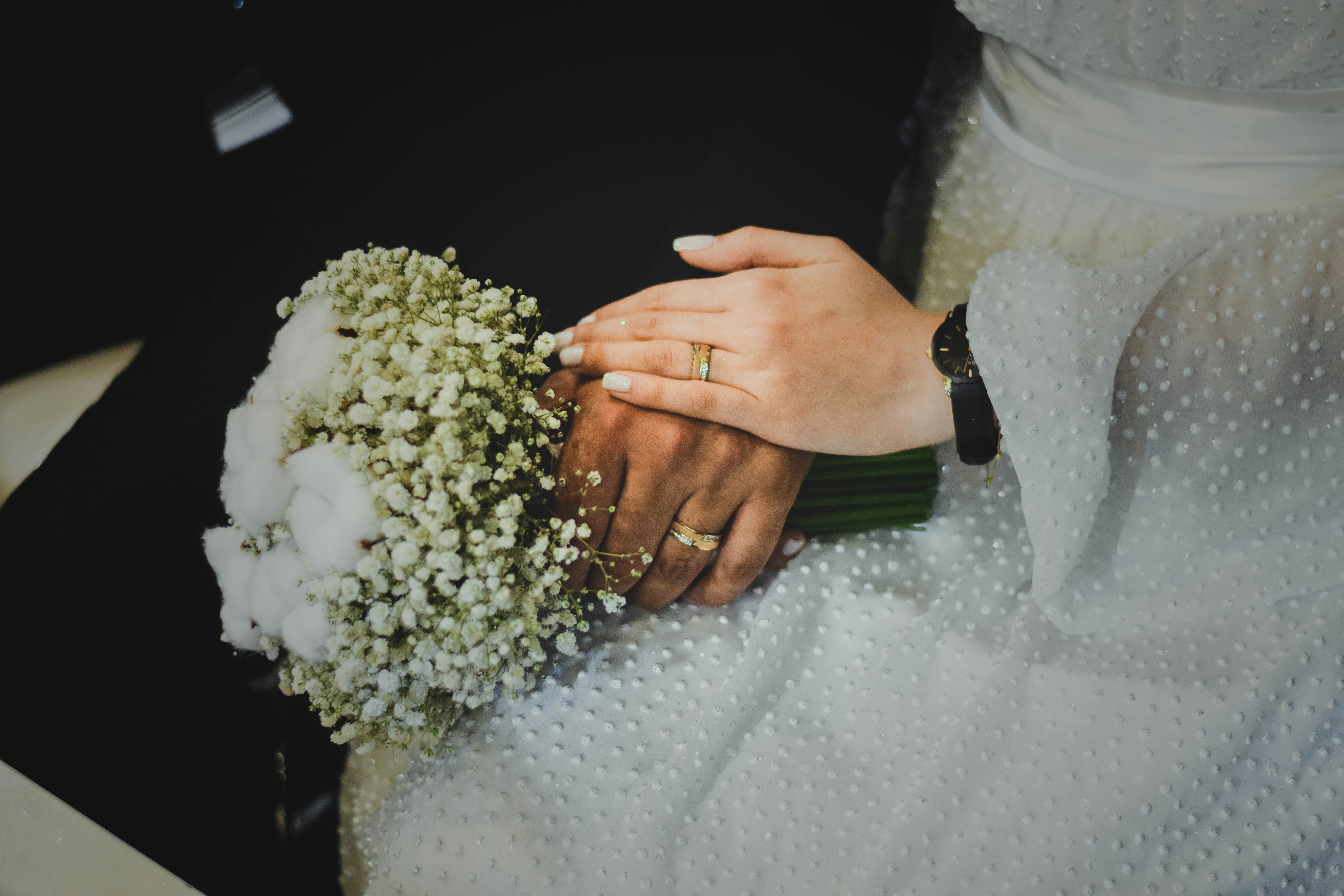


Persian weddings represent centuries of rich cultural heritage, and in the United States, Iranian-American couples have masterfully woven these timeless traditions into contemporary celebrations. The Persian wedding experience showcases how diaspora communities preserve their cultural identity while embracing American wedding customs, creating unique ceremonies that honor both worlds.
As Persian-American families have established roots across the United States, they've reimagined traditional wedding customs to fit modern lifestyles while maintaining the spiritual and cultural significance that makes these ceremonies so meaningful. This beautiful fusion demonstrates how immigrant communities adapt their heritage to new environments without losing the essence of their cultural identity.
The Evolution of Persian Weddings in America
Persian-Americans have transformed traditional wedding ceremonies to accommodate American venues, guest expectations, and logistical considerations while preserving the core elements that make these celebrations distinctly Iranian. Modern Persian wedding ceremonies often combine the sacred Sofreh Aghd with Western wedding elements, creating memorable experiences that speak to both Iranian heritage and American sensibilities.
Many couples now hold their ceremonies in hotels, country clubs, or wedding venues rather than traditional family homes, requiring creative adaptations of space and timing. The typical American wedding timeline has influenced Persian celebrations, with many couples incorporating cocktail hours, multi-course seated dinners, and DJ entertainment alongside traditional Persian music and dancing.
Persian-American wedding planners have emerged as specialists in this cultural fusion, understanding both the intricate requirements of Iranian traditions and the standards of the American wedding industry. These professionals help couples navigate the complexities of honoring Persian hospitality etiquette while managing modern wedding logistics.
Modern Interpretations of the Sofreh Aghd
The Sofreh Aghd, the traditional Persian wedding spread, remains the centerpiece of Iranian wedding celebrations in America, though its presentation has evolved significantly. While traditionally displayed on the floor with guests sitting around it, many Persian-American couples now present their Sofreh Aghd on elevated tables or platforms to accommodate Western seating arrangements and formal venue requirements.
Modern interpretations often feature more elaborate decorations and lighting to create stunning visual displays for photography, incorporating elements such as crystal chandeliers, LED lighting, and professional floral arrangements while retaining the essential symbolic items. The seven items beginning with the letter "S" in Farsi remain constant: Sabzeh (wheatgrass), Samanu (sweet pudding), Senjed (dried oleaster), Sir (garlic), Sib (apples), Somagh (sumac), and Serkeh (vinegar).
Contemporary couples often work with Persian cultural consultants to ensure their Sofreh Aghd maintains its symbolic meaning while seamlessly integrating into American wedding photography and videography. The ceremony timing has also been adapted, with many couples scheduling their Sofreh Aghd during cocktail hour or as a separate ceremony before the main reception.
Incorporating Family Heirlooms and Modern Elements
Persian-American families often blend treasured heirlooms with contemporary wedding elements in their Sofreh Aghd displays. Antique Persian mirrors, candlesticks, and textiles passed down through generations share space with modern crystal bowls, designer lighting, and professional floral arrangements.
Many couples commission custom pieces that bridge traditional and contemporary aesthetics, such as modern interpretations of traditional Persian metalwork or contemporary Persian calligraphy art. These personalized touches allow couples to honor their heritage while expressing their individual style and American influences.
Ceremony Rituals Adapted for American Venues
Traditional Persian wedding ceremonies have been thoughtfully adapted to work within American wedding venues and time constraints. The Aghd ceremony, which historically could last several hours, is often streamlined to 30-45 minutes to accommodate venue schedules and American guest expectations while retaining all essential elements.
The traditional honey-feeding ritual, in which couples feed each other honey to symbolize sweetness in marriage, has been incorporated into many American wedding receptions as a charming cultural element that guests of all backgrounds can appreciate. Similarly, the sprinkling of crystallized sugar over the couple's heads has been replaced with biodegradable alternatives for outdoor venues, in line with environmental considerations.
Persian-American couples often provide program explanations in both English and Farsi, helping non-Persian guests understand the significance of each ritual while maintaining the ceremony's sacred nature. This educational approach has helped many non-Persian Americans appreciate Iranian wedding traditions and their deep spiritual meanings.
Music and Entertainment Fusion
Modern Persian weddings in the United States typically feature both traditional Persian musicians and contemporary American entertainment. Live Persian music often accompanies the ceremony and dinner, while DJs provide American and international hits for dancing later in the evening.
Traditional Persian instruments like the santur, tar, and daf create authentic ceremonial atmospheres, while professional Persian singers perform classical wedding songs that resonate with older generations. The reception often transitions into a mix of Persian pop, American hits, and international dance music to engage guests from all cultural backgrounds.
Guest Experiences and Cultural Integration
Persian wedding celebrations excel at creating inclusive experiences for diverse guest lists, often including American friends, colleagues, and extended family. Couples typically provide cultural context through welcome cards, program explanations, and sometimes brief speeches that help non-Persian guests appreciate the ceremony's significance.
Traditional Persian hospitality shines through elaborate multi-course meals featuring both Persian specialties and American wedding favorites. Many couples offer stations with Persian rice dishes, kebabs, and traditional stews alongside conventional American wedding fare, creating memorable culinary experiences for all guests.
The integration of Persian and American customs extends to wedding favors, with many couples offering traditional Persian sweets like baklava and gaz alongside contemporary American wedding favors. This attention to detail reflects the broader Persian-American experience of maintaining cultural traditions while embracing American customs.
Dress and Attire Traditions
Persian-American brides often wear multiple outfits throughout their wedding celebrations, honoring both cultures through their attire choices. Many begin with traditional Persian wedding dresses featuring intricate embroidery and rich fabrics, then change into contemporary American wedding gowns for the reception.
The incorporation of Persian jewelry, particularly family heirloom pieces, adds cultural significance to modern wedding attire. Persian wedding crowns, ornate necklaces, and traditional bracelets often complement contemporary wedding dresses, creating stunning visual representations of cultural fusion.
Planning Considerations for Persian-American Weddings
Planning a Persian-American wedding requires understanding both cultural expectations and American wedding industry standards. Many couples work with wedding planners who specialize in multicultural celebrations or collaborate with Persian community members who understand traditional requirements.
Timing considerations include Persian calendar preferences, particularly avoiding certain months considered inauspicious for weddings, while coordinating with American seasonal preferences and venue availability. Many Persian-American couples also face the challenge of balancing Persian and American dietary restrictions and preferences.
Budget considerations for Persian weddings often exceed typical American wedding costs due to the elaborate nature of traditional celebrations, multiple outfit changes, and the importance of generous hospitality in Persian culture. The emphasis on mehrbani, taarof, and other Persian values influences spending decisions and the scope of celebrations.
Vendor Selection and Cultural Expertise
Finding vendors who understand Persian wedding traditions while delivering American wedding industry standards requires careful research and planning. Persian-American couples often rely on community networks and cultural organizations to identify photographers, florists, caterers, and musicians with relevant cultural experience.
Seasonal and Cultural Calendar Considerations
Persian-American couples often coordinate their wedding planning with both Persian cultural celebrations and American seasonal preferences. Many couples avoid planning weddings during Muharram or other religious observances while considering American holiday weekends and seasonal venue availability.
Spring weddings hold special significance in Persian culture, connecting to Shabe Yalda traditions and renewal themes that resonate deeply with Persian cultural values. However, American venue availability and guest travel considerations often influence final timing decisions.
Celebrating Heritage Through Modern Love
Persian-American weddings demonstrate the beautiful possibility of honoring cultural heritage while embracing contemporary American life. These celebrations showcase how immigrant communities maintain their cultural identity through meaningful traditions while creating new customs that reflect their American experiences. The thoughtful integration of Sofreh Aghd ceremonies, traditional Persian hospitality, and modern American wedding elements creates memorable celebrations that speak to multiple generations and diverse communities.
Visit United Tribes today to learn more about Persian culture and community celebrations that connect heritage with modern American life.


