
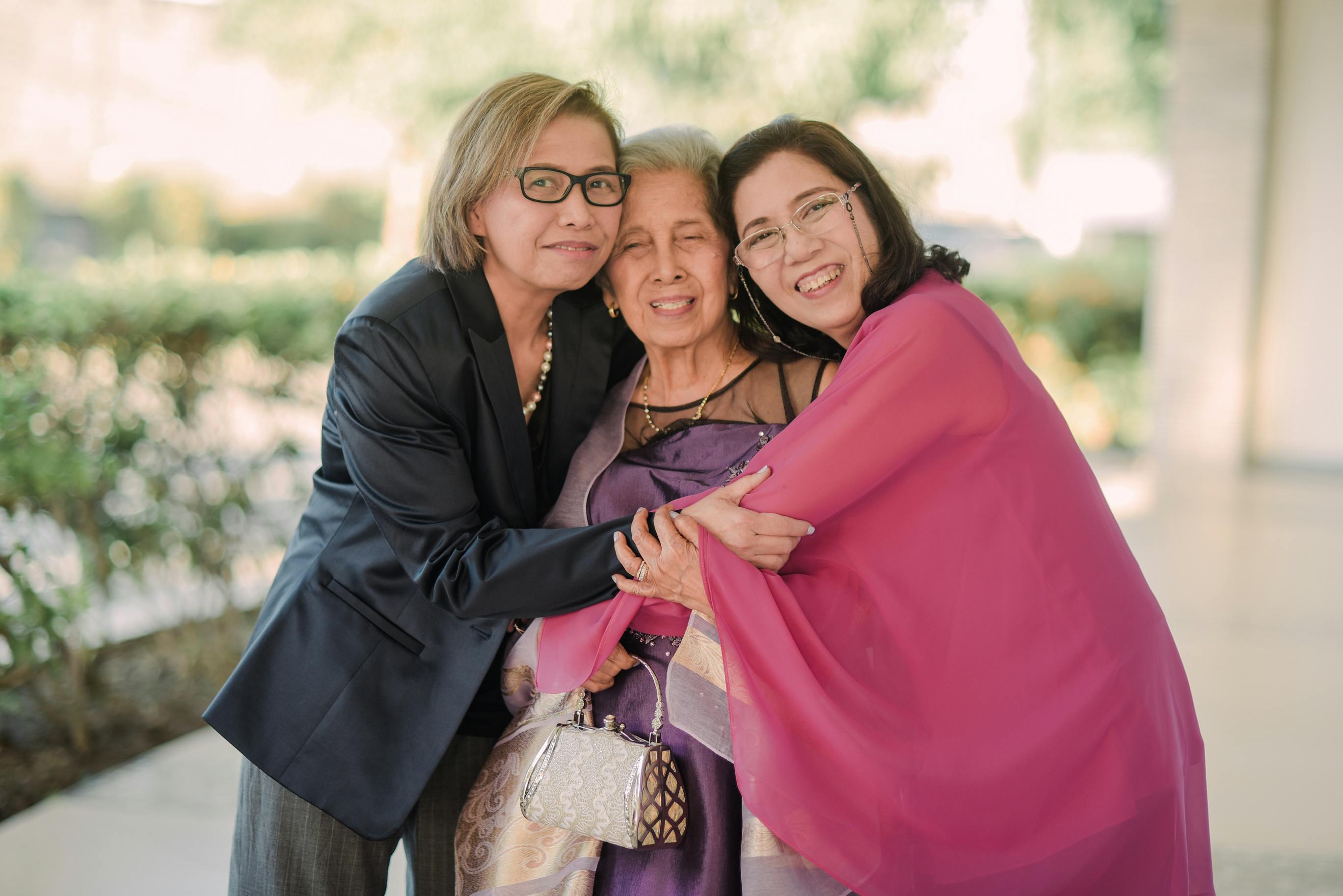

In Filipino culture, respect is rarely announced. It is lived quietly, woven into the smallest gestures, the softest tones, and the most ordinary moments. Visitors to Filipino homes or gatherings often sense a warmth and attentiveness they cannot immediately name. That feeling has a source. Filipino respect culture is a living, breathing practice embedded in daily interaction, passed down through generations without always being spoken aloud.
More Than Mano Po: The Depth of Everyday Respect
Most people have heard of *mano po*, the gesture of pressing an elder's hand to one's forehead as a sign of reverence. But Filipino social norms extend far beyond this single act. Respect in Filipino life is multidimensional. It shows up in how you enter a room, how you speak, how you eat, and even how you leave.

Welcome to United Tribes
Where Filipino Culture Comes Alive
Join Your Tribe
Connect with your people
Discover Events
Watch parties & festivals
Find Filipino Businesses
Restaurants, markets & more
Earn Crown Credits
Get rewarded for engaging
Understanding these layers matters especially for Filipino Americans navigating between two cultures and for anyone who genuinely wants to connect with the Filipino community. Much like bayanihan and pakikisama, which reflect collective values in action, individual gestures of respect reflect a person's character and upbringing.
The Voice as a Vehicle of Respect
One of the most telling signals of Filipino values in everyday life is the tone of voice. Speaking softly, especially to elders or authority figures, is considered a mark of good breeding. Raising your voice, even out of excitement, can register as disrespectful depending on the context and audience.
Equally important is the use of honorifics. Words like *po* and *opo* are inserted into sentences when speaking to someone older or of higher status. These are not optional formalities. Their absence is noticed when a child who forgets to say *po* when addressing their elders raises eyebrows.
The elders in Filipino families, particularly lola and lolo, hold a central place in shaping how younger generations learn to speak with deference and warmth.
Body Language That Speaks Volumes
Filipino gestures and their meanings are often encoded in posture and movement rather than words. A few key behaviors signal respect without a single syllable:
- Pagmamano (the mano po gesture) remains the most recognizable, but its spirit extends into how you physically orient yourself toward elders.
- Lowering your body slightly when passing between or in front of people — especially older individuals — is a deeply habitual act of courtesy.
- Avoiding direct, prolonged eye contact with elders or superiors is sometimes a sign of deference, not disinterest. In Western contexts, this may be misread as evasiveness.
- Using both hands when giving or receiving objects, particularly food, gifts, or documents, signals full attention and appreciation.
These physical cues are part of a broader social grammar that Filipinos read fluently and instinctively.
Pagpapakumbaba: The Practice of Humility
At the heart of Filipino respect culture is *pagpapakumbaba* — a genuine expression of humility. This means downplaying personal achievements in the company of others, gracefully deflecting praise, and never positioning oneself as superior.
In practical terms, it looks like someone saying, "I just cooked something small," before presenting a full, lovingly prepared meal. It looks like a professional minimizing their credentials when meeting someone new. This is not false modesty — it is a cultural value that prioritizes harmony and interconnectedness over individual status.
Respect at the Table
Food is one of the most powerful expressions of care in Filipino culture, and the rituals surrounding eating are laden with meaning. Waiting for the eldest person to eat first before anyone else begins is a standard practice. Offering the best portions to guests or elders — even at the expense of one's own plate — is a quiet act of honor.
Refusing food that has been offered can feel like a rejection of the host's effort and affection. Accepting, even a small portion, says *I see your effort, and I value it.* These comfort food traditions carry emotional and relational weight that goes well beyond nutrition.
Language, Dialect, and Relational Respect
How Filipinos choose to speak — which language, which dialect, which register — also communicates respect. Using someone's native regional dialect when you know it signals effort and belonging. Switching to Filipino or Tagalog in mixed company ensures no one is excluded.
In diaspora settings, the effort to preserve and use Filipino dialects is itself an act of cultural respect — honoring ancestors, community, and identity simultaneously. Ongoing efforts to preserve Filipino dialects in America reflect how seriously many Filipino Americans take this responsibility.
Small Acts, Lasting Impressions
Filipino social norms remind us that respect is not a grand gesture reserved for formal occasions. It lives in:
- Knocking and waiting before entering any room
- Saying goodbye individually to each person before leaving a gathering
- Arriving with food or a small gift when visiting someone's home
- Asking permission before taking a photograph of the elders
Each of these small acts adds up to a portrait of who a person is and how they were raised.
Respect as a Living Cultural Language
Filipino respect culture is an active, evolving practice that connects generations, preserves identity, and builds genuine community. From the softness of a voice to the positioning of a body, the meaning of these gestures runs deep and speaks clearly to anyone willing to pay attention. These everyday behaviors are the architecture of relationships in Filipino life.
For Filipino Americans in particular, maintaining these values across cultural contexts is both a challenge and a source of pride. Understanding them more fully allows the broader community — Filipino and non-Filipino alike — to engage with greater empathy and appreciation.
Visit United Tribes today to learn more about Filipino culture and community, where stories, businesses, and traditions from the Filipino tribe are celebrated and kept alive every day.
Make United Tribes Your Preferred Source
Add United Tribes on Google to get the latest stories, cultural updates, and community events directly in your Google Search and Top Stories.


