
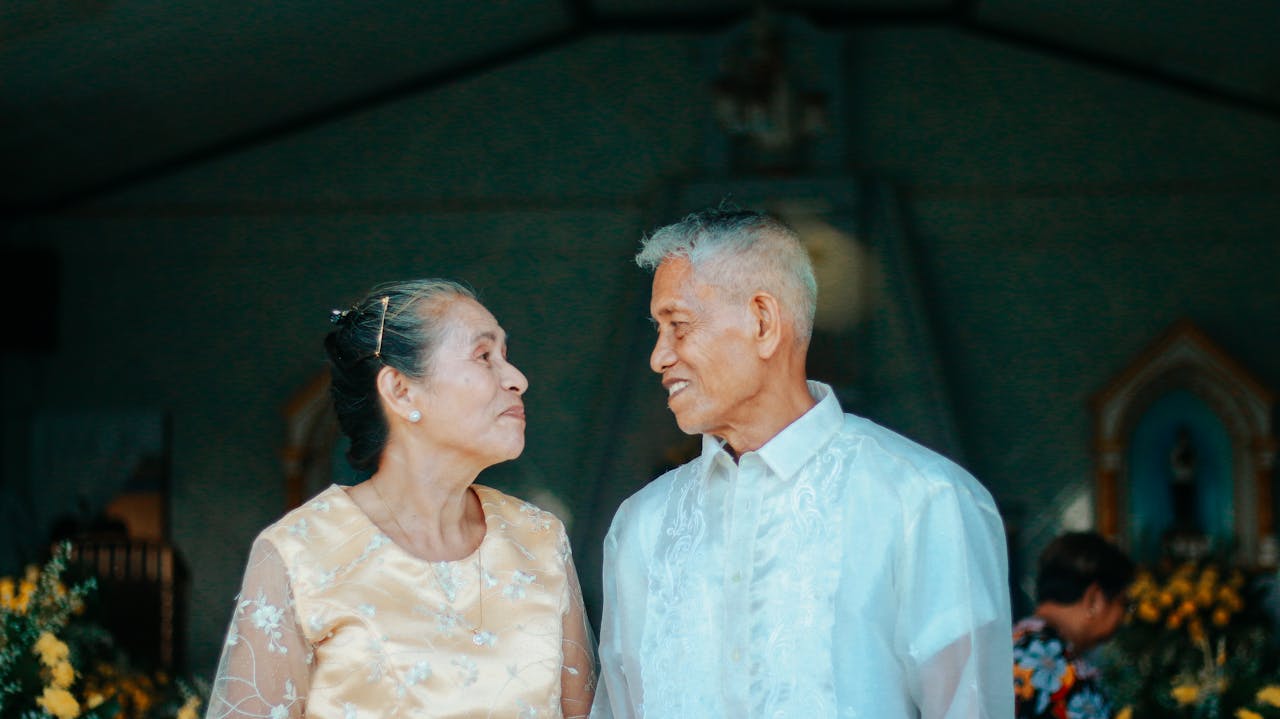

Grandparents play several vital roles in Filipino-American families. They’re beloved elders who help parents raise their children, keep the Filipino culture alive, and keep their families united.
Today, we’ll take a closer look at how Lola (grandmother) and Lolo (grandfather) fulfill these roles while living far from their homeland.

Welcome to United Tribes
Where Filipino Culture Comes Alive
Join Your Tribe
Connect with your people
Discover Events
Watch parties & festivals
Find Filipino Businesses
Restaurants, markets & more
Earn Crown Credits
Get rewarded for engaging
The Grandparents & What They Mean to Filipino Families
Many Filipinos live with their lola and lolo, a practice that often carries over to the U.S. Filipino grandparents can reside under the same roof or near their immediate families. This way, family ties are strengthened, and parents get the help they need to raise their children.
Moreover, Lola and Lolo share stories, enduring values like bayanihan and pakikisama, and customs passed on to them. Their experiences are essential to Filipino children learning about and embracing Filipino culture in America.
What’s The Role of Grandparents in Child-Rearing?
Filipino grandparents do more than just babysit their grandchildren or “mga apo.” Most of them help Filipino parents raise their children, especially when both parents are working.
Providing Consistent Care & Guidance
From preparing home-cooked meals to helping with homework, grandparents ensure children receive steady attention and emotional support. Their care can make Filipino children feel self-confident and safe.
Teaching Respect & Discipline
Filipinos are expected to respect their elders, including their grandparents. Lola and Lolo teach good manners and responsibility, emphasizing the obligation to their family to their children. These lessons often come up through daily interactions.
Filipino Grandparents & Keeping Filipino Traditions Alive
Many Filipino grandparents also preserve and pass down long-standing traditions to younger generations. It’s essential for Filipino-Americans in the U.S., as they may lose their identity while trying to blend into American society.
Communicating with Family Members in Their Mother Tongue
In an English-speaking country like the U.S., Filipino grandparents often converse with their grandchildren and other relatives in their native language. It helps children maintain linguistic ties to their heritage, strengthening their cultural identity.
Most importantly, Filipino-Americans fluent in their mother tongue stay connected to their relatives back home. For those wanting to achieve this goal, local language classes and online resources are available to help.
Observing Filipino Holidays & Traditions
Lola and Lolo’s contribution to family life extends to introducing Filipino customs to younger generations. These traditions include:
- Celebrating Pasko (Christmas) with noche buena, a meal served at midnight on Christmas Day
- Hearing mass for nine days before Christmas, a tradition known as Simbang Gabi
- Observing Undas (All Saints’ Day and All Souls’ Day)
- Showing respect for elders by pagmamano - Younger Filipinos take one of an elder’s hands, press it against their forehead, and say “Mano po.”
- Celebrating fiestas, even if they’re living abroad
Filipino grandparents explain these traditions to their grandchildren, ensuring they understand how vital these customs are to their heritage.
The Importance of Grandparents in Filipino-American Households
With grandparents around, Filipino households in America are encouraged to take on shared responsibilities and keep culture alive. Lola and Lolo’s presence also makes everyone feel loved and appreciated.
Helping Their Families Overcome Challenges
Whenever someone in the family faces hardships or struggles to adjust to life abroad, Filipino grandparents give them wisdom, reassurance, and a sense of stability. Their experiences guide Filipino families through challenges while reminding them of what’s truly important.
Caring for Younger Family Members
Filipino immigrants with young children face high childcare costs in the U.S. Fortunately, grandparents are willing to help them take care of their children.
Their support means that parents can save on childcare. It lets them work or study while ensuring their children grow up happy and healthy.
Connecting with Younger Generations
Grandparents in Filipino-American families wear many hats. They’re caretakers, teachers, storytellers, moral compasses, and loving and supportive relatives, among others.
Many Filipino grandparents tell younger generations their stories of living far from home. By sharing these experiences marked by sacrifices and perseverance, they teach children about the spirit of resilience, adaptability, and gratitude.
Finally, lolos and lolas strengthen their bonds with their grandchildren in different ways. Cooking together, attending church, or just talking to each other keep Filipino grandparents and grandchildren close to each other and create unforgettable memories.
The Impact of Grandparents on Children’s Development & Health
Recent research notes that grandparents are increasingly influencing their grandchildren’s lives. Here’s how they’re doing so.
- Offering unconditional love & listening to their grandchildren’s problems - This helps kids develop empathy, self-awareness, and emotional resilience.
- Helping younger children express their cultural identity, Filipino grandparents share with their grandchildren the importance of respect, loyalty to family, and shared responsibility, especially when living abroad.
- Keeping grandchildren healthy - The closeness between grandparents and grandchildren can affect the latter’s health. It can discourage kids from doing unhealthy or dangerous behaviors like taking illegal drugs and help them develop good eating habits, maintain a healthy weight, and improve their mental health.
The Challenges Faced By Filipino Grandparents in the U.S.
Although lolos and lolas remain important parts of Filipino-American families, they also need to adjust to the reality of living in America. This comes with challenges such as:
Balancing Tradition & Modern Parenting
Filipino grandparents and younger generations can clash when it comes to discipline, education, and lifestyle. For example, some parents today encourage their children to act and dress however they want, breaking societal norms. Their grandparents may disagree, though, because they’ve always stuck to the status quo.
So, you may ask: What’s the best way to address this challenge? For the most part, open communication can help elders understand how parents raise their children in today’s world. It’s already sparked hope: We’ve read and heard stories about grandparents supporting their grandchildren with gender identities different from what’s acceptable.
Living Far From Their Families
Some Filipino grandparents live far away from their families. You or your Filipino friends may have a lolo or lola (or both) residing in another state, the Philippines, or a country other than the U.S.
In this case, technology saves the day. Video calls, messaging apps, and social media posts keep Filipino grandparents updated about the daily lives of their children, grandchildren, other relatives, and friends. Plus, they help maintain close relationships with their family and friends.
Final Thoughts
There are many reasons why Lola and Lolo are critical to Filipino-American households. First, their influence remains even if their grandchildren have matured. The values, traditions, and lessons they pass on shape how younger Filipino immigrants and Filipino-Americans see the world and their place in it. Hence, their legacy lives on.
More importantly, the love, guidance, and wisdom of Filipino grandparents ensure that their heritage endures in the U.S. They also give families the practical and emotional support needed to navigate American life. In every story told, meal shared, and value taught, they make the family stronger than ever.
To learn more about Filipino culture or connect with Filipinos online, visit the United Tribes blog or our Filipino community page today.
Make United Tribes Your Preferred Source
Add United Tribes on Google to get the latest stories, cultural updates, and community events directly in your Google Search and Top Stories.


