
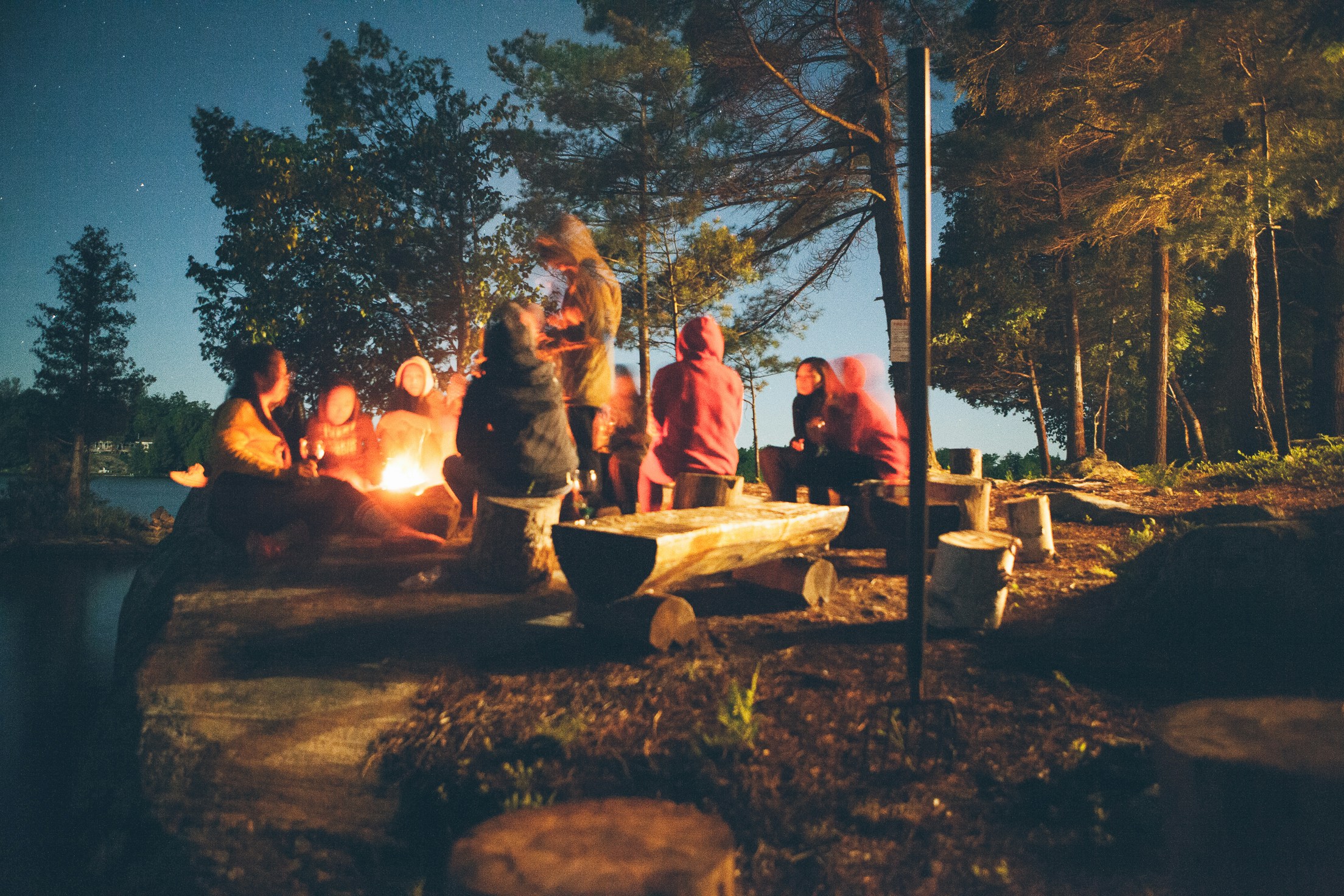

The power of storytelling lies not only in entertainment but also in its capacity to bridge cultural divides and foster shared understanding. As America becomes increasingly diverse, these modern narratives serve as windows into experiences that might otherwise remain invisible to mainstream audiences. From first-generation immigrants sharing their journey of adaptation to fourth-generation Americans reconnecting with ancestral traditions, every story adds another thread to the complex tapestry of American identity.
The Digital Revolution of Personal Narratives
The democratization of storytelling through digital platforms has fundamentally transformed how Americans share and consume personal narratives. Unlike traditional media gatekeepers, social media platforms, podcast hosting services, and video streaming sites have lowered the barriers to entry for storytellers from all backgrounds.

Welcome to United Tribes
Where Diverse Cultures Come Alive
Join Your Tribe
Connect with your people
Discover Events
Watch parties & festivals
Find Tribe Businesses
Restaurants, markets & more
Earn Crown Credits
Get rewarded for engaging
Podcasting has emerged as one of the most powerful media for intimate storytelling. Shows like "This American Life" paved the way, and now thousands of independent podcasters share stories that reflect the authentic diversity of American experiences. These audio narratives create a sense of intimacy between storyteller and listener, enabling nuanced discussions of identity, belonging, and the American dream.
Social media platforms have become virtual campfires where contemporary narratives unfold in real time. Instagram Stories, TikTok videos, and Twitter threads enable individuals to share their experiences in real time, creating an ongoing dialogue about contemporary American life. The immediacy of these platforms means that cultural conversations can evolve rapidly, with personal stories serving as catalysts for broader social discussions.
Documentaries have also experienced a renaissance, with streaming platforms hungry for authentic content that reflects America's diversity. These longer-form narratives provide the space needed to explore complex cultural identities and historical contexts that shorter formats cannot accommodate.
Multicultural Voices Redefining American Identity
One of the most significant developments in contemporary American storytelling is the prominence of multicultural voices that are challenging monolithic narratives about what constitutes American culture. These stories are particularly powerful because they highlight the lived experiences of communities that have often been marginalized in mainstream media.
Hispanic and Latino storytellers are sharing narratives that explore the complexities of maintaining cultural traditions while navigating American society. The evolution of language and communication in Latino communities demonstrates how personal narratives can illuminate broader cultural phenomena that shape American identity.
Asian American storytellers are using digital platforms to challenge stereotypes and share the full spectrum of their experiences. The influence of Filipino voices in digital spaces exemplifies how social media storytelling can amplify underrepresented perspectives and create new models for cultural representation.
These multicultural narratives are not just adding diversity to American storytelling; they're fundamentally reshaping how we understand core American values such as resilience, community, and opportunity. Stories of overcoming challenges and maintaining cultural identity provide powerful examples of how personal narratives can redefine national character.
The Role of Technology in Amplifying Diverse Stories
Technology has become the great equalizer in American storytelling, providing platforms where compelling narratives can reach audiences regardless of the storyteller's background or resources. This technological democratization has led to an explosion of authentic voices that might never have reached mainstream audiences through traditional media channels.
Artificial intelligence and algorithms play an increasingly important role in connecting storytellers with their ideal audiences. Recommendation systems can help individuals discover stories that resonate with their experiences or introduce them to perspectives they might not otherwise encounter. This technological mediation of storytelling is creating new forms of cultural exchange and understanding.
Live streaming platforms have added another dimension to personal narrative sharing, allowing for real-time interaction between storytellers and their audiences. This immediacy creates opportunities for deeper engagement and community building around shared stories and experiences.
The rise of user-generated content has also transformed how stories are told and consumed. Rather than passive consumption, audiences now expect to participate in narrative creation through comments, responses, and their own story contributions. This participatory element has made storytelling a more collaborative and democratic process.
Impact on National Discourse and Policy
The proliferation of personal narratives through digital platforms is having measurable effects on national discourse and policy discussions. When individual stories are widely shared, they can humanize abstract policy debates and create emotional connections that statistics alone cannot achieve.
Immigration stories shared through social media have influenced public opinion on immigration policy by putting faces and personal experiences behind policy debates. These narratives help audiences understand the human impact of legislation and create empathy for experiences that might otherwise remain abstract.
Stories about healthcare experiences have similarly influenced national conversations about healthcare policy. Personal narratives about navigating the healthcare system, dealing with chronic illness, or accessing mental health services provide concrete examples that policymakers and voters can understand and relate to.
Economic narratives shared through podcasts and social media are reshaping discussions about work, entrepreneurship, and economic opportunity in America. Stories about gig-economy workers, small-business owners, and individuals navigating career transitions offer insights into the evolving nature of work and economic security.
Building Bridges Across Cultural Divides
The most significant impact of contemporary American storytelling is its ability to build understanding across cultural, racial, and socioeconomic divides. When people share authentic stories about their experiences, it becomes much harder for others to maintain stereotypes or dismiss entire groups of people.
Cross-cultural storytelling projects are emerging in which individuals from diverse backgrounds share their stories side by side, highlighting both differences and commonalities in the American experience. These initiatives demonstrate how personal narratives can serve as bridges between communities that might otherwise remain isolated.
Intergenerational storytelling also plays a crucial role in preserving cultural knowledge while adapting it to contemporary contexts. Younger Americans are using digital platforms to document and share stories from older family members, creating digital archives of cultural knowledge that might otherwise be lost.
The emergence of collaborative storytelling platforms allows multiple voices to contribute to shared narratives about American experiences. These collective stories often provide more nuanced and complete pictures of complex social issues than individual narratives alone.
The Future of American Storytelling
The power of personal storytelling lies in its capacity to foster empathy, challenge assumptions, and bridge cultural divides. As technology continues to evolve and new platforms emerge, we can expect even more innovative forms of narrative sharing that will further enrich our collective understanding of American identity. The stories we tell today are shaping the America of tomorrow, making it essential that all voices have the opportunity to contribute to this ongoing narrative.
Visit United Tribes today to learn more about diverse American cultural communities and the powerful stories that continue to shape our national identity.
Make United Tribes Your Preferred Source
Add United Tribes on Google to get the latest stories, cultural updates, and community events directly in your Google Search and Top Stories.