
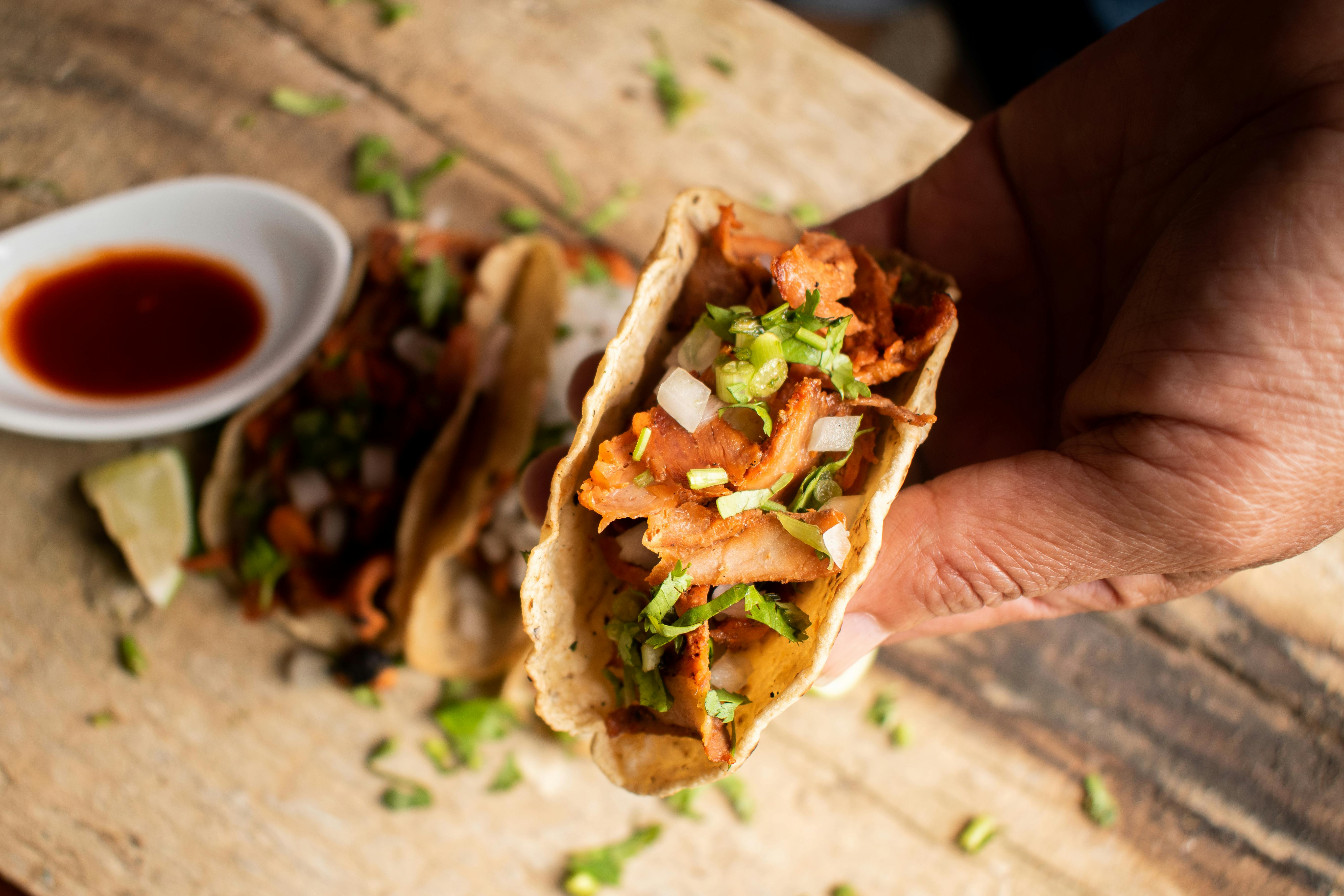


There's a specific kind of hunger that only certain foods can satisfy. Not the kind fixed by anything fancy—but the pull toward something warm, familiar, and deeply rooted in where you come from. For millions of Latino families across the United States, that craving lives in the everyday. It's the elote cart on a summer block, the tamale your abuela made on a random Tuesday, the bag of chips doused in chamoy before school. Latino comfort snacks aren't just food. They're a language of belonging.
More Than Festival Food
The public conversation around Latino cuisine tends to center on big moments—Día de los Muertos spreads, Cinco de Mayo menus, holiday tamales. But the real heartbeat of everyday Latino food is quieter. It's in the corner tienda, the food truck parked outside a laundromat, the stovetop simmering at 7 a.m. Understanding the influence of Latin cuisine in the U.S. means looking beyond the spotlight to the everyday rhythms of meals that sustain communities week after week.
These aren't dishes made to impress. They're made to comfort, to stretch a dollar, to feed a family fast. And in that simplicity lies their power.
The Street as Kitchen
Hispanic street food culture didn't emerge from restaurants or cookbooks. It grew from necessity, creativity, and centuries of culinary tradition carried across borders. In Mexico, street food is practically a civic institution. Vendors set up before dawn, and regulars show up like clockwork. That same culture has taken root across U.S. cities—from the taco trucks of East Los Angeles to the elote carts in Chicago's Pilsen neighborhood.
What makes Mexican snack culture so distinctive is the layering. A simple corn on the cob becomes elote: grilled, slathered in mayo, dusted with cotija cheese, hit with chili powder, and lime. A bag of chips becomes a tostilocos or a vaso de frutas—a full sensory experience. The philosophy is transformation. Take something humble, add flavor, texture, acid, heat, and turn it into something unforgettable.
Regional Mexican street food in the U.S. reflects this beautifully—each region bringing its own snack traditions, from Oaxacan tlayudas to Jalisco's birria tacos, now found across American cities.
Everyday Cravings, Everyday Culture
Latino comfort snacks exist in a specific emotional register. They're tied to memory—the after-school snack, the weekend market trip, the midnight craving. Here are some of the most beloved everyday staples that define this food culture:
- Elote and esquites: Corn in two forms—on the cob or in a cup—both dressed with the same bold, savory toppings.
- Tostilocos: Tostitos piled with jicama, cucumber, cueritos, hot sauce, lime, and chamoy. A street snack that's half salad, half chaos.
- Tamales (non-holiday): Often assumed to be a seasonal food, tamales are an everyday staple in many households. Tamales go far beyond Christmas and appear at birthdays, quinceañeras, Sunday mornings, and ordinary weeknights.
- Marquesitas: A crispy rolled wafer filled with Edam cheese and Nutella or cajeta, a popular street snack from the Yucatán, now spreading across U.S. Latino markets.
- Pan dulce: The sweet bread that lives in every Mexican bakery—conchas, cuernos, polvorones—often eaten with café de olla or hot chocolate.
- Aguas frescas: Horchata, tamarindo, hibiscus—cool, sweet, and deeply cultural.
Comfort at Its Most Honest
There's something profoundly honest about street food. No tablecloths, no reservations—just flavor and community. Every day, Latino food has always been this way. The menudo simmering on a Sunday morning isn't just a hangover cure; it's a ritual. It brings people to the table before noon, starts conversations, and bridges generations.
Menudo's role in connecting Mexican Americans to home captures exactly this dynamic—how a single bowl of soup can hold an entire cultural identity.
How These Foods Travel and Adapt
One of the most fascinating aspects of Hispanic street food culture is how it evolves in diaspora. When Mexican and Latino families settle in new cities, they don't abandon their food traditions—they adapt them. Local ingredients get substituted. Regional recipes merge. New hybrids emerge that you'd never find in the country of origin but feel completely authentic to the community that created them.
The diverse culinary traditions of Mexico are vast enough that even within a single country, food varies dramatically by region. In the U.S., those regional identities continue to express themselves while simultaneously blending with American food culture—creating something new without losing the original thread.
Everyday Flavor, Enduring Identity
Latino comfort snacks and Hispanic street food culture tell a story that goes deeper than taste. They speak to identity, migration, resilience, and the everyday acts of love that keep cultural traditions alive. From an elote cart to a pot of menudo on Sunday morning, everyday Latino food is how community is built and maintained—one bite at a time.
These foods deserve recognition not just during cultural celebrations but in the ordinary moments where they truly live. They are the background music of Latino life in America—constant, familiar, and deeply nourishing in every sense of the word.
Visit United Tribes today and find out more about Latino culture and community—from food traditions and business spotlights to events happening across the country.


