
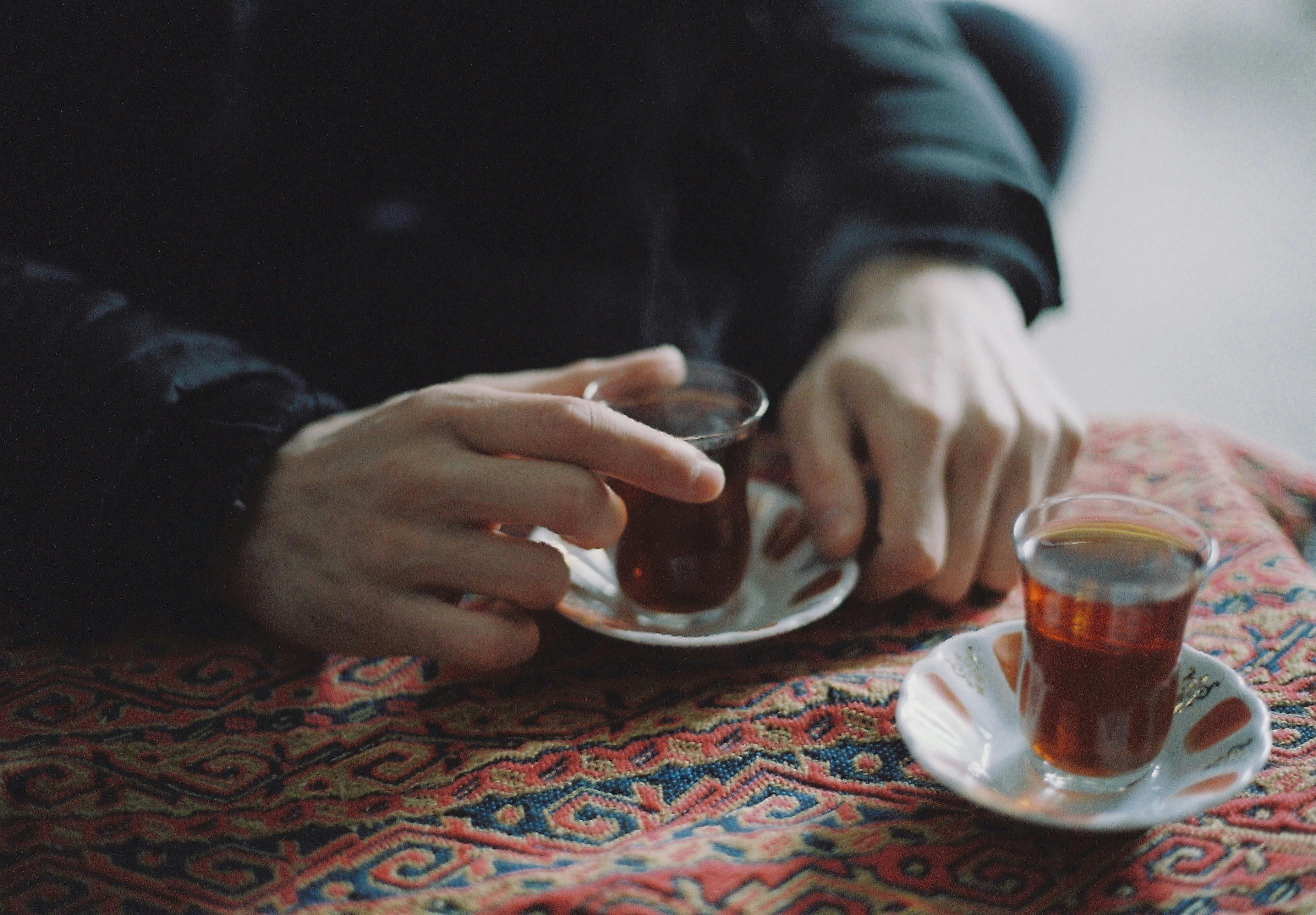

In Persian homes, the day does not truly begin until the kettle whistles. Tea is a language, a gesture, and a way of saying "you are welcome here." From the first glass poured at dawn to the final sip shared with guests long after dinner, Persian tea culture revolves around moments of warmth, ritual, and togetherness. These daily rhythms carry centuries of tradition and speak to something deeply human: the desire to connect over something simple and shared.
The Sacred Art of Brewing Persian Tea
Persian tea, known as *chai*, is never rushed. The preparation itself is a meditative process rooted in patience and care. Unlike many modern tea traditions, Iranians brew using a two-vessel method — a large kettle heats water below while a smaller teapot steeps a concentrated blend of loose black tea on top. The result is a deep amber liquid, rich and fragrant, served in delicate glass cups called *estekan* that let the color shine through.

Welcome to United Tribes
Where Persian Culture Comes Alive
Join Your Tribe
Connect with your people
Discover Events
Watch parties & festivals
Find Persian Businesses
Restaurants, markets & more
Earn Crown Credits
Get rewarded for engaging
The most prized varieties come from the Gilan and Mazandaran provinces along the Caspian coast, where Iran's own tea gardens produce leaves with a distinctly earthy, floral character. For a deeper look at how Persian tea culture shapes daily life in Iranian-American homes, the traditions translate powerfully even across oceans.
Sugar is never stirred in. Instead, a cube of *nabat* (rock candy) or a hard sugar lump is placed between the teeth, and tea is sipped through it — a method called *qand pahlu*. This small act carries enormous cultural weight, distinguishing Persian chai gatherings from other tea traditions worldwide.
What Fills the Table: Iranian Snack Culture
No cup of tea arrives alone. The Persian table is generous by nature, and even an unannounced guest will find a spread assembled within minutes. Iranian snack culture is built around a handful of iconic accompaniments that have graced tea tables for generations.
Common offerings include:
- Sohan — a brittle saffron and pistachio toffee from Qom, intensely fragrant
- Gaz — a soft nougat studded with pistachios or almonds, a specialty of Isfahan
- Baklava — layered pastry with rosewater and cardamom notes distinct from other regional versions
- Nan-e berenji — delicate rice flour cookies flavored with rosewater and poppy seeds
- Walnuts and raisins — humble but ever-present, especially in older households
- Dried mulberries and figs — seasonal favorites passed around in small bowls
These snacks reflect regional pride, seasonal availability, and family recipes passed through generations. Offering them is an act of love, and receiving them graciously is equally important in the Persian social code.
Persian Hospitality Rituals and the Culture of Taarof
What makes the tea ritual so layered is the etiquette surrounding it. Persian hospitality rituals are governed by a social practice called *taarof* — a system of politeness and deference that shapes every offer and refusal. A guest may decline tea twice out of courtesy before accepting. A host will insist warmly, sometimes three or four times, genuinely meaning each offer.
Understanding *taarof* is essential to reading any Persian social gathering. To learn more about Persian hospitality etiquette through taarof is to understand how generosity operates not just as an action but as an entire philosophy of human interaction.
The tea table, then, is a stage where relationships are tended, respect is communicated, and belonging is reinforced — all without a single word about any of those things.
Chai Gatherings and the Rhythm of Social Life
Chai gatherings in the Iranian style are rarely formal events. They happen organically — a neighbor stops by, a family member calls ahead by just minutes, or the afternoon demands company. The ritual kicks in automatically: the kettle goes on, the tray comes out, cushions are adjusted, and conversation begins to flow.
These gatherings hold particular importance for the diaspora community. In Iranian-American homes, the tea table becomes a portable homeland — a way of maintaining cultural identity in a new geography. The scent of brewing chai, the crinkle of *sohan* foil, the familiar clink of glass on saucer — these sensory anchors keep cultural memory alive.
Tea time also bridges generations. Grandparents share stories of Iran while pouring for grandchildren born in the United States. Recipes are passed down not through formal instruction but through observation and participation — standing in the kitchen, watching the tea darken, learning when it is ready.
The significance of gathering extends into major celebrations, too. During Shabe Yalda, the winter solstice celebration, tea flows continuously through the longest night of the year as families gather until dawn.
When Tea Meets the Full Table
Tea is deeply connected to Persian food culture broadly. After a meal featuring dishes like the legendary Persian tahdig, tea serves as the gentle close — a digestive ritual that signals the meal is complete and conversation can linger.
The relationship between tea and food in Persian culture reflects a larger truth: nothing is meant to be consumed in isolation. Every bite, every sip, every moment at the table is designed to be shared.
A Cup That Carries Culture Forward
Persian tea culture is a living tradition that pulses through daily life, connecting people and a heritage that spans thousands of years. The rituals of brewing, pouring, offering snacks, and practicing *taarof* are small acts that collectively carry enormous meaning. They remind participants, whether in Tehran or Los Angeles, that hospitality is a form of identity.
For the Iranian diaspora in particular, these everyday rituals serve as anchors. They are how culture survives distance, how language is kept warm, and how the next generation learns what it means to be Persian through the simple act of sitting together over tea.
Visit United Tribes today to learn more about Persian culture and community, from food and festivals to stories celebrating the richness of Iranian heritage across the United States.
Make United Tribes Your Preferred Source
Add United Tribes on Google to get the latest stories, cultural updates, and community events directly in your Google Search and Top Stories.


