
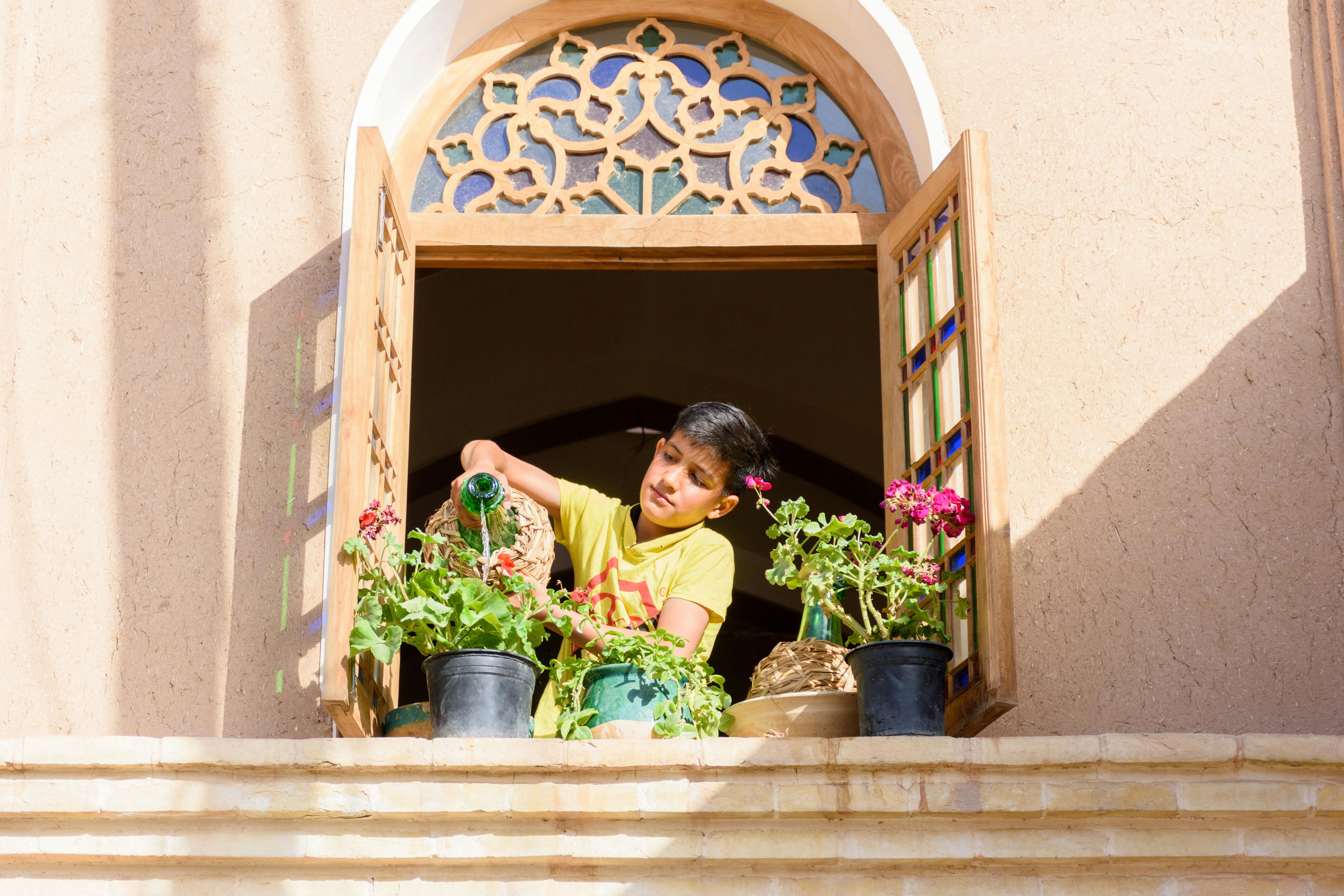

There is a particular grace embedded in the way Iranians move through the world. It shows up in how someone insists you take the better seat, how a shopkeeper waves away payment before accepting it, or how a host fills your plate before you think to ask. These moments are not accidental — they are expressions of a deeply rooted Persian communication style that places consideration for others at the very center of daily life. Understanding this culture means looking beyond surface behavior to the values that quietly govern everything.
Consideration as a Cultural Foundation
In Persian culture, being considerate is a moral responsibility. Iranian politeness culture is built on the idea that others' comfort and dignity must be protected, often at personal cost. This shapes how people speak, how they refuse, and how they express disagreement. Directness that might be considered honest in other cultures can feel abrasive or even disrespectful in many Persian social settings.

Welcome to United Tribes
Where Persian Culture Comes Alive
Join Your Tribe
Connect with your people
Discover Events
Watch parties & festivals
Find Persian Businesses
Restaurants, markets & more
Earn Crown Credits
Get rewarded for engaging
This cultural orientation draws from centuries of philosophy, poetry, and community life. The same wisdom woven into Persian proverbs and ancient teachings continues to guide Iranians' approach to conflict, generosity, and connection today. Respect is offered freely, regardless of whether it will be returned.
The Language of Indirectness
One of the most defining features of Persian social norms is the use of indirect communication. Saying "no" outright is rarely done in everyday settings. Instead, Iranians often use softer phrases, change the subject, or express a reluctant willingness before gradually declining politely.
The goal is to spare both parties from embarrassment or conflict. In professional settings, this might mean a colleague avoids criticizing your idea directly and instead asks questions that prompt you to reconsider it. In personal relationships, it means acknowledging someone's effort before suggesting a different direction.
Key features of Persian indirect communication include:
- Using conditional language ("It might be that..." or "Perhaps one could consider...")
- Complimenting before critiquing
- Offering alternatives rather than flat refusals
- Expressing emotional warmth to soften difficult messages
Hospitality as Daily Practice
Iranian hospitality is legendary, but it is important to understand that it is not reserved for special occasions. Iranian etiquette in daily life treats hosting as an ongoing responsibility. Whether someone drops by unexpectedly or stays for hours, a host is expected to offer food, tea, and genuine attention.
This extends beyond the home. In workplaces, it is common for colleagues to bring sweets or fruit to share. In conversations between strangers, warmth and personal interest are offered freely. The daily ritual of Persian tea culture is one of the most intimate expressions of this hospitality — sitting with someone over a glass of chai signals that you value their presence and their time.
Respect for Elders and Social Hierarchy
Persian social norms place significant emphasis on showing deference to elders and those in positions of authority. This is visible in language choices, seating arrangements, and the order in which people are served or addressed. Younger family members do not typically contradict elders in public settings, and honorific forms of address are used even in casual conversation.
This hierarchy is about honoring the experience and sacrifices of those who came before. It reflects a cultural belief, rooted in traditions explored in pieces like this reflection on Persian roots and inner wisdom, that wisdom accumulates with age and deserves recognition.
Public Behavior and Social Awareness
In public spaces, Iranian politeness culture encourages a heightened awareness of how one's behavior affects others. Speaking loudly, drawing unnecessary attention to oneself, or behaving in ways that could embarrass your family are all considered poor form. There is an expression in Farsi — *aberoo* — that roughly translates to dignity or reputation, and protecting it is a guiding concern in social life.
This also means that public disagreements are generally avoided. Conflicts are ideally resolved privately, through a trusted intermediary if necessary. The goal is always to preserve the relationship and the dignity of everyone involved.
The Role of Emotional Intelligence
A distinctive quality of the Persian communication style is its emotional depth. Iranians are often highly attuned to the feelings of those around them, reading tone, body language, and context before responding. This emotional intelligence is a practiced art, passed down through storytelling, poetry, and family interaction.
The richness of Persian storytelling traditions and the emotional layering of Persian poetry both reflect this deep engagement with feeling. In everyday conversations, this translates into a culture that takes emotional expression seriously — celebrating joy loudly and holding grief with great tenderness.
Consideration Lives in Every Interaction
Persian social norms are a living culture of attentiveness, warmth, and respect that has been refined across generations. From the way a disagreement is softened with a compliment to the way a stranger is welcomed like a guest, Iranian etiquette in daily life reveals a society that places deep value on human dignity and relational harmony. These norms offer something meaningful not just to Iranians, but to anyone seeking to understand what genuine consideration looks like in practice.
These values can feel both comforting and complex, a connection to home carried in the body and expressed in small daily gestures. For those discovering Persian culture for the first time, they open a doorway into one of the world's richest and most nuanced social traditions. Understanding the Persian communication style is ultimately an invitation to slow down, pay attention, and treat every interaction as an opportunity to offer dignity.
Visit United Tribes today to learn more about Persian culture and community, and how the social norms of Persian and Iranian life continue.
Make United Tribes Your Preferred Source
Add United Tribes on Google to get the latest stories, cultural updates, and community events directly in your Google Search and Top Stories.