

Key Takeaways
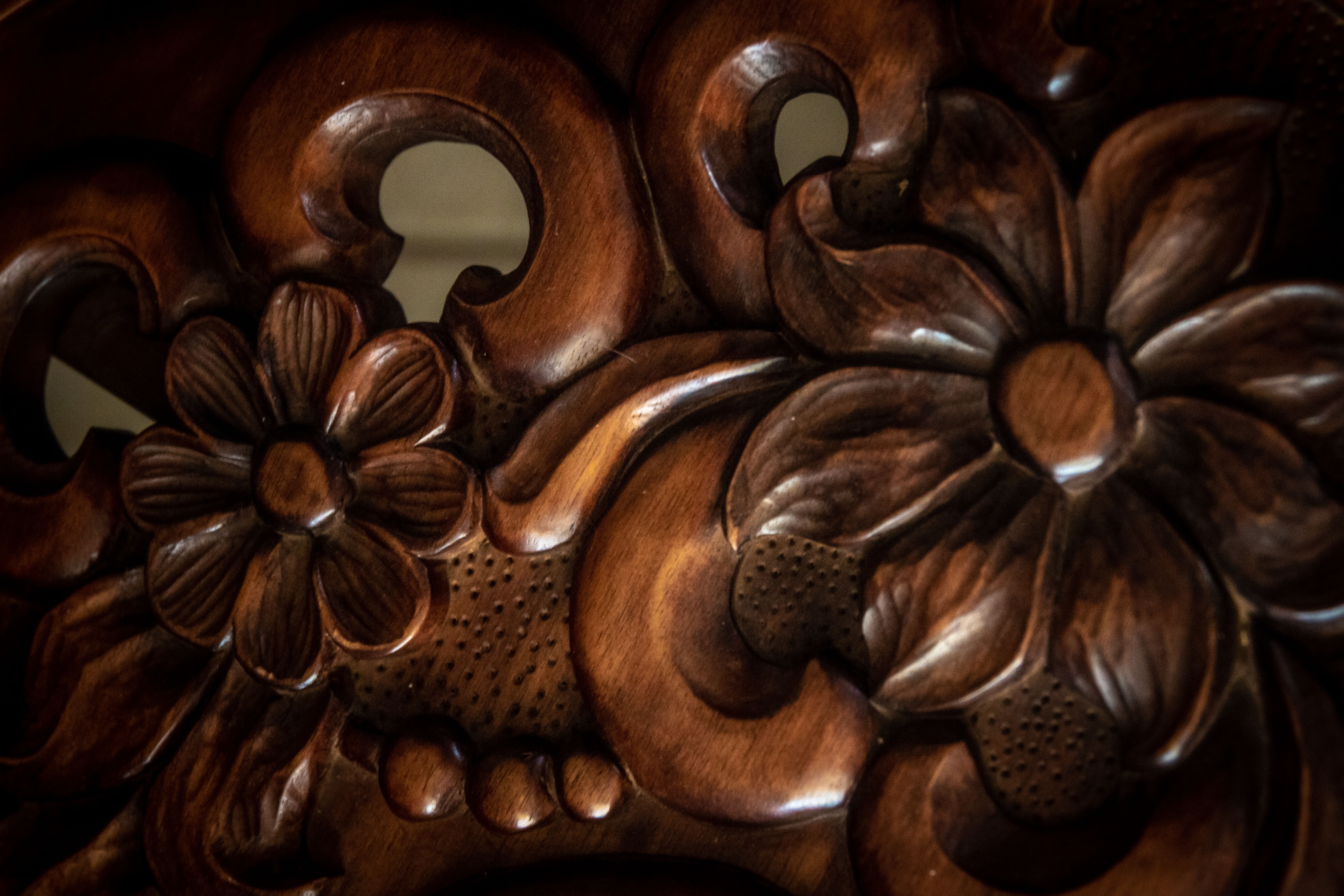
- Paete's name reflects its craft. The town's name comes from "paet," the Tagalog word for chisel, and it was officially declared the Philippines' Carving Capital in 2005.
- Paete woodcarving has global reach. Religious icons carved in Paete are displayed in St. Peter's Basilica in Rome, St. Patrick's Cathedral in New York, and Mission Dolores in San Francisco.

Welcome to United Tribes
Where Filipino Culture Comes Alive
Join Your Tribe
Connect with your people
Discover Events
Watch parties & festivals
Find Filipino Businesses
Restaurants, markets & more
Earn Crown Credits
Get rewarded for engaging
- Artisans pioneered lifelike statue techniques. Paete artisans developed movable ball-and-socket joints and used piña fiber for hair and hand-blown glass for eyes to bring religious statues to life.
- The Taka papier-mâché tradition also began in Paete. Carved wooden molds overlaid with paper and paste produced colorful folk art pieces that are a distinct Paete cultural export.
- Wood scarcity threatens the tradition. Logging bans restricting access to preferred Batikuling wood have raised costs and pressured small workshops, prompting government and research-led conservation efforts.
Tucked along the eastern shore of Laguna de Bay, the small town of Paete carries a name that tells its entire story. "Paet" means chisel in Tagalog, and for centuries, the sound of blades meeting wood has defined daily life here. From colonial-era churches to international cathedrals, Paete's hands have shaped some of the world's most revered religious art.
How did Paete become the woodcarving capital of the Philippines?
Paete became the woodcarving capital of the Philippines through centuries of accumulated mastery, formally recognized when Presidential Proclamation No. 809 declared it the "Carving Capital of the Philippines" on March 15, 2005. The town's identity as a center of Filipino woodcarving stretches back to Spanish colonial times, when local artisans supplied churches across the archipelago with religious icons and decorative carvings. Even national hero José Rizal referenced Paete's numerous carpenter shops in his 1887 novel *Noli Me Tangere*, evidence that the craft was already thriving and widely known.
The town's reputation grew not just from volume but from technical brilliance. Master artisan Mariano B. Madriñan won a gold medal in Amsterdam in 1882 for his statue *Mater Dolorosa*, earning recognition from King Alfonso XII of Spain — a moment that signaled Paete craftsmanship had arrived on the world stage. Today, Paete woodcarving is central to Filipino-American cultural identity as diaspora communities continue to cherish and collect these devotional works.
What woodcarving techniques make Paete artisans unique?
Paete artisans are distinguished by meticulous, handcrafted techniques that give their religious statues an almost supernatural realism. Rather than relying on paint alone, artisans incorporate organic and blown-glass materials to bring each figure to life.
Traditional hallmarks of Paete craftsmanship include:
- Piña fiber hair — pineapple leaf fibers are shaped into lifelike, wavy strands for statues' heads
- Monkey hair eyelashes — fine animal hair is individually applied for expressive detail
- Hand-blown, tinted glass eyes — custom-made glass inserts give statues an arresting, lifelike gaze
- Ball-and-socket joints — movable connections at shoulders, knees, elbows, and fingers allow statues to be repositioned for different ceremonial poses, particularly during Holy Week Passion reenactments
These innovations transformed Filipino woodcarving from skilled craft into devotional art. Statues could be dressed, repositioned, and processed through streets during religious festivals, making them living participants in community worship rather than static objects.
|
Technique |
Material Used |
Purpose |
|
Hair crafting |
Piña fiber |
Lifelike, wavy hair on statues |
|
Eyelashes |
Monkey hair |
Fine detail and expression |
|
Eyes |
Hand-blown tinted glass |
Realistic, emotive gaze |
|
Joints |
Carved wood sockets |
Repositionable limbs for ceremonies |
|
Surface finish |
Natural pigments and lacquer |
Durability and devotional appearance |
Where has Paete woodcarving reached around the world?
Paete woodcarving has reached some of the world's most prominent religious and cultural institutions, including St. Peter's Basilica in Rome, St. Patrick's Cathedral in New York, Mission Dolores in San Francisco, and the San Cayetano Church in Guanajuato, Mexico. This global footprint reflects how deeply the craft is embedded in Catholic devotional traditions far beyond the Philippines.
That international presence makes Paete woodcarving a point of great pride for Filipino communities abroad. For Filipino Americans exploring their creative heritage in modern America, knowing their cultural artistry adorns some of the world's most visited churches is a powerful reminder of what the Philippines has contributed to global artistic history.
What is the Taka tradition and how does it relate to Paete?
The Taka papier-mâché tradition originated in Paete, where artisans carved wooden molds and layered them with paper and paste to create bold, colorful folk art figures. Typically painted with primary colors and floral motifs, Taka pieces represent a distinct branch of Paete creativity that complements its woodcarving heritage.
While woodcarving produces heavy, devotional works for permanent religious settings, Taka figures are lighter, more decorative, and more accessible as everyday art and souvenirs. Both traditions share the same carved wooden mold-making skill at their core, and both reflect the artistic imagination that makes Paete such a culturally rich town.
How does Paete celebrate its woodcarving heritage through festivals?
Paete celebrates its craft heritage through two major annual festivals: the Ukit-Taka Festival, typically held in September and February, and the Kasiningang Paete Festival during National Arts Month in February. Both events feature craft showcases, street dances, and competitions that highlight the town's living artistic traditions.
These festivals serve a purpose beyond celebration — they are critical platforms for passing knowledge between generations. Young carvers compete alongside masters, workshops open their doors to visitors, and the community reaffirms its collective identity around skilled hands and cultural pride. This kind of community-rooted artistic celebration echoes broader Filipino weaving and craft traditions that Filipino Americans actively preserve across the diaspora.
What challenges threaten the future of Paete woodcarving?
The most pressing threat to Paete woodcarving is the shortage of Batikuling (*Litsea leytensis*), the preferred carving wood, which has become difficult to source due to logging bans and environmental regulations. Artisans must now import alternative woods from other provinces, driving up costs and placing serious financial strain on small-scale family workshops.
Beyond materials, the craft faces generational pressure as younger people weigh the economic uncertainty of artisanal work against other opportunities. In response, the DOST-FPRDI launched the "LiLOK: Likhain at Linangin Obra mula sa Kahoy" project in September 2024, aiming to document Paete's cultural heritage, map its economic value chain, and provide technological training to help workshops modernize without abandoning tradition. A 2025 architectural study also proposed building an integrated woodcarving facility with a museum, artisan coworking space, and training center to strengthen collaboration and market access for Paete artisans.
Why does Paete's craftsmanship still matter to Filipinos today?
Paete is more than a town with a specialty — it is a living archive of Filipino ingenuity, devotion, and artistic discipline. From the colonial workshops that José Rizal observed to the movable-joint statues now housed in Roman basilicas, every chisel mark in Paete carries the weight of a tradition that has quietly shaped how the world encounters Filipino art. Wood scarcity and economic pressure are real, but so is the resolve of the artisans, researchers, and community organizers working to keep those chisels moving.
For Filipino Americans, the story of Paete reminds us that cultural heritage is not something stored in the past—it is actively made, defended, and celebrated. Whether through diaspora art collections, Holy Week traditions, or folk craft markets, the legacy of Paete woodcarving continues to travel far beyond Laguna.
Explore the broader Filipino community in the United States — its craftspeople, cultural businesses, and heritage events — through the United Tribes Filipino community hub.
Frequently Asked Questions
How did Paete get its unusual name?
Paete's name comes from "paet," the Tagalog word for chisel, directly referencing the woodcarving tools that have defined the town's economy and identity for centuries. The name reflects how deeply the craft is woven into the community's origins and self-understanding.
Are Paete woodcarvings considered fine art or religious artifacts?
Paete woodcarvings function as both. Many pieces are commissioned religious icons intended for churches, chapels, and personal devotion. In contrast, others — including Taka papier-mâché figures and decorative relief panels — are collected as fine folk art by institutions and private collectors worldwide.
Can visitors watch woodcarving being done in Paete today?
Yes, Paete's workshops are generally open to visitors, and the town's festivals—particularly the Ukit-Taka Festival—offer structured opportunities to watch artisans at work, buy pieces directly, and join demonstrations. The town actively promotes craft tourism as part of its cultural preservation strategy.
What wood is traditionally used in Paete woodcarving?
The preferred traditional wood is Batikuling (*Litsea leytensis*), valued for its fine grain and workability. However, because of logging restrictions, Paete artisans now often source alternative regional hardwoods, a shift that has raised costs and required adjustments in carving technique.
How long does it take to carve a single religious statue in Paete?
The time varies significantly based on size, complexity, and the level of detail required. A small devotional figure may take days, while a large, articulated processional statue with movable joints, glass eyes, and fiber hair can take weeks or even months of careful handwork.
Is the Paete woodcarving tradition recognized at the national level in the Philippines?
Yes, Presidential Proclamation No. 809, signed on March 15, 2005, officially declared Paete the "Carving Capital of the Philippines," giving the town formal national recognition. Government agencies and research institutions have also engaged with the town's artisan community through funded support programs and documentation projects.
Make United Tribes Your Preferred Source
Add United Tribes on Google to get the latest stories, cultural updates, and community events directly in your Google Search and Top Stories.