
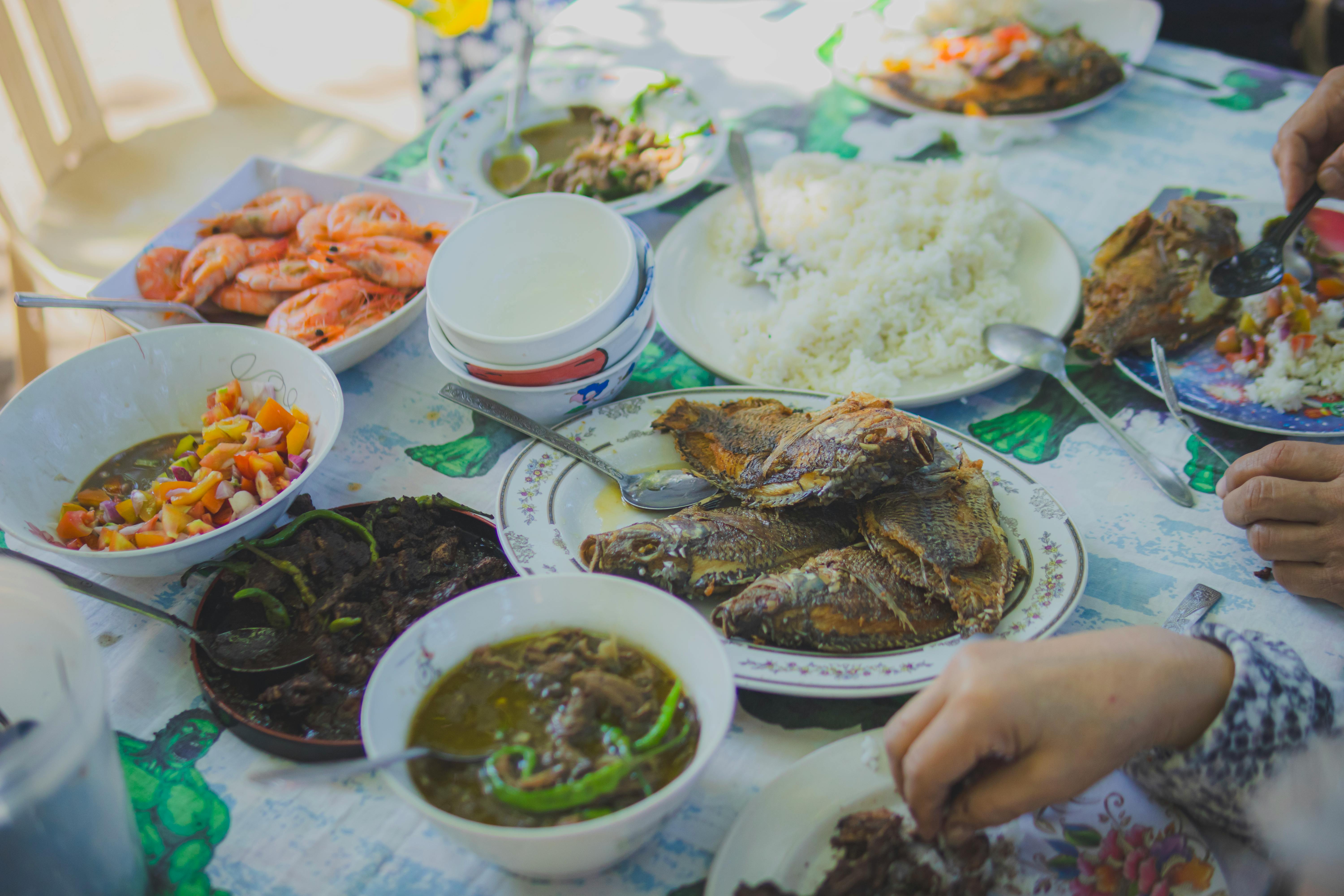

There is a phrase that carries an entire world inside it: lutong bahay. Translated literally, it means "home-cooked" in Filipino, but anyone who has grown up in a Filipino household knows it means so much more. It means the smell of garlic hitting a hot pan early in the morning. It means a pot of sinigang simmering for hours. It means gathering around a table without needing a reason. Understanding the meaning of lutong bahay goes beyond translation—it touches the very soul of Filipino family life.
Food as Identity in Filipino Culture
For Filipinos, cooking is rarely just about sustenance. It is an act of love, memory, and belonging. Filipino home cooking culture is deeply tied to who Filipinos are as a people—generous, communal, and rooted in family. Recipes are rarely written down. They live in the hands of mothers and grandmothers, passed through practice and proximity.

Welcome to United Tribes
Where Filipino Culture Comes Alive
Join Your Tribe
Connect with your people
Discover Events
Watch parties & festivals
Find Filipino Businesses
Restaurants, markets & more
Earn Crown Credits
Get rewarded for engaging
A batch of adobo made in one household tastes different from the next, shaped by regional heritage, available ingredients, and family preference that represent identity in their variety. Each home's version of a dish becomes a signature, a fingerprint of that particular family's story.
The Role of Meals in Filipino Family Life
Filipino family meals are rarely eaten alone. Even in busy modern households, the shared table remains a cornerstone of daily life. Eating together signals care—preparing food for someone is one of the most direct ways Filipinos express love and concern.
The concept of pagkain (food) in Filipino culture is inherently social. Dishes are made in large quantities, so there is always enough to share with whoever arrives at the door. Guests are fed before they are even asked why they came. This generosity is instinctive and deeply cultural.
Meals also mark time and memory. The taste of Filipino comfort food can transport someone instantly back to childhood, to a grandmother's kitchen, to a specific Sunday afternoon that felt both ordinary and sacred.
Lutong Bahay in the Diaspora
For Filipino Americans and Filipinos living abroad, the lutong bahay becomes even more emotionally significant. When physical distance separates families, food closes the gap. Cooking a familiar dish in a new country is an act of preservation—a way to stay tethered to home.
Diaspora kitchens often become laboratories of memory and adaptation. Ingredients that are hard to find get substituted. Local produce fills in for what was once bought at the palengke. Yet the heart of the dish remains. This resilience in maintaining Filipino food traditions is a quiet form of cultural resistance, a refusal to let distance erase heritage.
The spirit of resilience among Filipino Americans shows up in many ways—including in kitchens where traditional recipes are recreated with whatever is available, ensuring that the next generation still knows what home tastes like.
Everyday Dishes That Carry Generations
Some dishes anchor Filipino home cooking culture more than others. These are not always the elaborate dishes served at fiestas. Often, they are simple everyday meals that appear at the table so consistently they become synonymous with home itself:
- Sinangag (garlic fried rice) and eggs in the morning—crisp, fragrant, and reliable
- Tinola, a ginger broth with chicken and green papaya that soothes like nothing else
- Paksiw, a vinegar-based dish that stretches leftovers into something new
- Lugaw, rice porridge served when someone is sick or needs comfort
- Nilaga, a simple boiled beef soup that requires patience but little else
These dishes are taught less through recipes and more through watching. Children learn by standing beside parents in the kitchen, absorbing not just technique but meaning.
Rice as the Foundation of Everything
No conversation about lutong bahay is complete without acknowledging rice. In Filipino households, rice is the center around which every meal is built. The rice cooker is often the first appliance turned on in the morning and the last one used at night.
Kakanin and traditional rice delicacies represent another dimension of this relationship, where rice becomes celebration, ritual, and art. From bibingka to puto to kutsinta, these rice-based sweets are made during significant occasions and carry layers of cultural memory.
Cooking as Cultural Continuity
One of the most powerful functions of Filipino food traditions is their role in keeping culture alive across generations. When a Filipino parent teaches a child to cook, the recipes shared are a way of transmitting language, values, and history.
This is especially important for second-generation Filipino Americans who may not speak Tagalog or Bisaya fluently, but who recognize the taste of home immediately. Food becomes a language of its own—a way to remain culturally connected even when other ties begin to loosen. Efforts to preserve Filipino dialects and food traditions often go hand in hand as complementary acts of cultural preservation.
Celebrations further reinforce this continuity. Adapting Filipino fiestas in America always centers food as the anchor—the dishes remain even when the setting changes.
Home Cooking Keeps Filipino Culture Alive
Lutong bahay is a declaration of identity. It says: this is where I come from, this is how my family showed love, and this is what I carry with me wherever I go. Filipino home-cooking culture sustains families not just physically but also emotionally and culturally, especially in households navigating life far from the Philippines.
Across generations and geographies, Filipino family meals remain one of the most enduring forms of cultural expression. The act of cooking and sharing food is how traditions survive, how memories are honored, and how communities stay whole. As long as there are Filipino kitchens—whether in Manila or Michigan—lutong bahay will continue to matter.
Visit United Tribes today to learn more about Filipino culture and community.


