
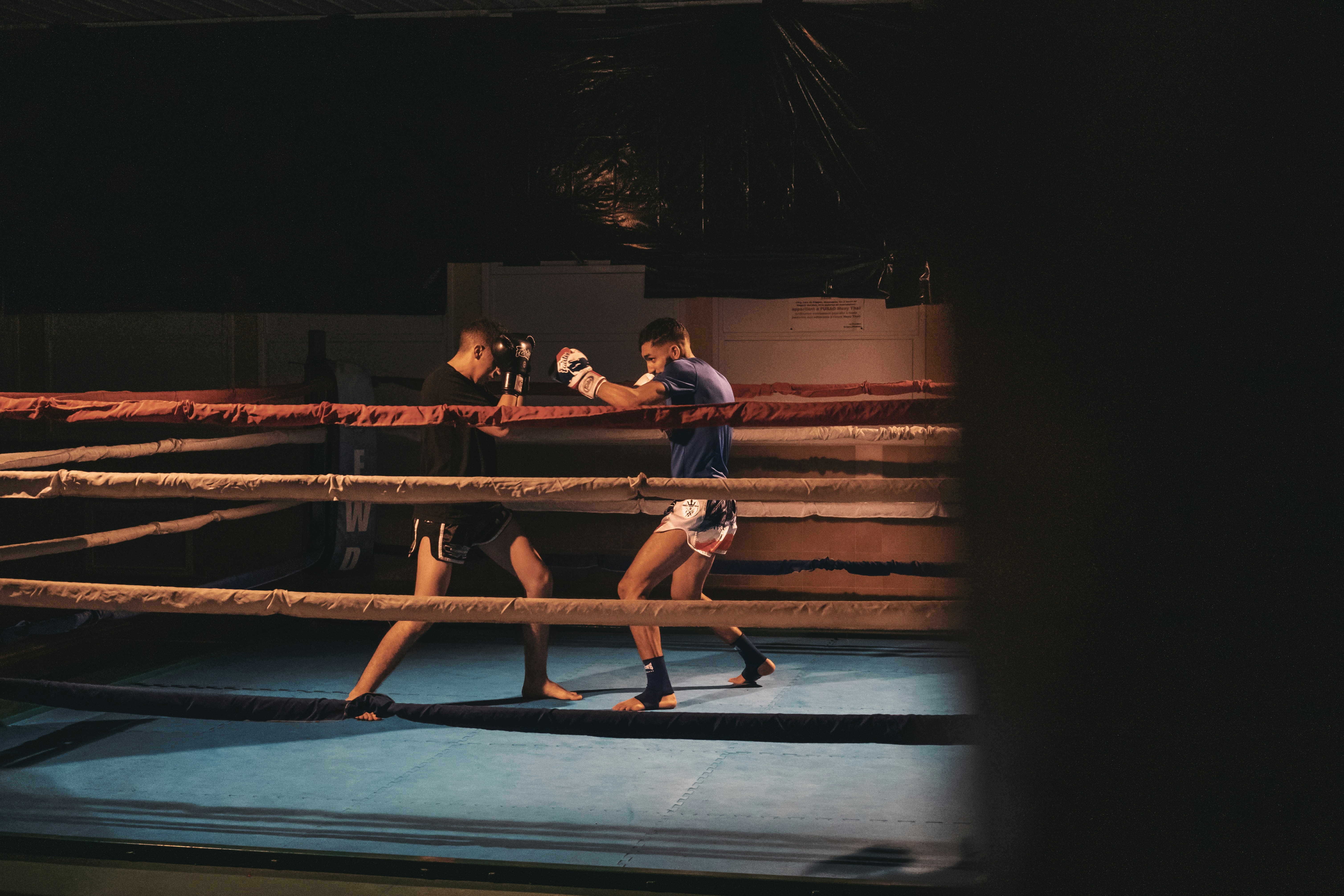


Filipino martial arts (FMA) have experienced a remarkable transformation in the United States, evolving from a closely guarded cultural tradition to one of the fastest-growing self-defense trends in America. This ancient martial art, which encompasses disciplines such as Arnis, Eskrima, and Kali, is now finding its place in modern gyms, police academies, and military training facilities across the country.
The Rich Heritage Behind Filipino Martial Arts
Filipino martial arts trace their origins to more than 2,000 years ago, developed through centuries of conflict and cultural exchange in the Philippine archipelago. Unlike many Asian martial arts that emphasize empty-hand techniques, FMA uniquely begins with weapons training, particularly the use of sticks (baston), blades (espada), and empty-hand combat (mano y mano). This weapons-first approach emerged from the practical needs of Filipino warriors who faced various invaders throughout history.
The three primary systems, Arnis, Eskrima, and Kali, each represent different regional variations and philosophical approaches to combat. Arnis, officially recognized as the Philippines' national martial art, emphasizes stick fighting and practical self-defense applications. Eskrima focuses on the flow and rhythm of combat, incorporating intricate hand patterns and footwork. Kali represents blade-oriented traditions, teaching practitioners the deadly art of edged-weapon combat.
Traditional Training Methods and Philosophy
Traditional Filipino martial arts training emphasizes the concept of "flow," in which practitioners learn to transition seamlessly between weapons and empty-hand techniques. The philosophy behind FMA centers on efficiency, adaptability, and the principle that the same motion can be applied whether using a stick, a blade, or bare hands. This versatility made Filipino martial arts particularly valuable for practical self-defense situations.
The master-student relationship in traditional FMA followed the Guro system, where knowledge was passed down through generations within families or close-knit communities. Many techniques were kept secret, shared only among trusted practitioners who demonstrated both skill and character. This exclusivity helped preserve the art's authenticity but also limited its spread beyond Filipino communities.
The Journey to American Shores
The introduction of Filipino martial arts to the United States was facilitated by waves of Filipino immigration, particularly after World War II and the Immigration Act of 1965. Early Filipino immigrants brought their martial traditions, though many practitioners initially taught only within their own communities. The cultural values of respect, humility, and family loyalty that characterize Filipino-American communities helped preserve these martial traditions during the early decades of immigration.
The breakthrough moment for FMA in mainstream American culture came through the influence of legendary martial artist Dan Inosanto, a Filipino-American who trained under Bruce Lee and later became instrumental in promoting Filipino martial arts. Inosanto's work in Hollywood films and his teaching at the Inosanto Academy introduced FMA to a broader audience, demonstrating the practical effectiveness of these combat systems.
Breaking Cultural Barriers
The 1980s and 1990s marked a pivotal period during which Filipino martial arts began to emerge from ethnic enclaves. American martial artists, impressed by the practical applications of stick fighting and blade work, began seeking out Filipino instructors. This period saw the establishment of the first non-Filipino FMA schools and the beginning of systematic efforts to document and preserve these arts for future generations.
Military and law enforcement agencies also began recognizing the value of FMA training, particularly for close-quarters combat and weapons retention scenarios. The adaptability and real-world effectiveness of Filipino martial arts made them ideal for professional applications, further legitimizing these arts in American martial culture.
Modern Growth and Cultural Significance
Today's Filipino martial arts landscape in the United States reflects both explosive growth and evolving cultural significance. According to recent surveys of the martial arts industry, FMA-based programs have experienced a 300% increase in enrollment over the past decade, making them among the fastest-growing self-defense trends in the country. This growth spans diverse demographics, from suburban soccer moms seeking practical self-defense to military veterans looking for advanced combat training.
The cultural significance of this growth extends far beyond mere technique acquisition. For Filipino-Americans, FMA training represents a powerful connection to their ancestral heritage, offering a tangible way to honor their warrior traditions.
Integration with Modern Fitness Culture
Modern FMA training has successfully integrated with contemporary fitness and wellness trends. Many gyms now offer "FMA Fitness" classes that combine traditional martial arts techniques with cardio workouts, strength training, and flexibility exercises. This fusion approach attracts fitness enthusiasts who appreciate both the physical challenge and the cultural richness of Filipino martial arts.
The emphasis on functional movement and real-world applications resonates with current fitness philosophies that prioritize practical strength and mobility. FMA training naturally develops hand-eye coordination, reaction time, and spatial awareness while providing an intense full-body workout that burns calories and builds lean muscle.
Training Centers and Community Impact
The proliferation of FMA training centers across the United States has created vibrant hubs for Filipino-American culture and community building. These schools serve multiple functions: martial arts academies, cultural preservation centers, and community gathering spaces that strengthen Filipino celebrations and cultural identity.
Major metropolitan areas such as Los Angeles, San Francisco, New York, and Chicago now have dozens of established FMA schools, each contributing to the preservation and evolution of these martial traditions. These centers often host cultural events, weapons-making workshops, and seminars featuring visiting masters from the Philippines, thereby bridging traditional knowledge and contemporary practice.
Professional Development and Certification
The growth of Filipino martial arts has also led to the development of standardized instructor certification programs and professional organizations. Groups like the World Eskrima Kali Arnis Federation (WEKAF) and various Guro councils work to maintain quality standards while promoting the growth of FMA worldwide. These organizations provide structure and legitimacy, helping new schools establish credibility and attract students.
The professionalization of FMA instruction has created career opportunities for dedicated practitioners, with some instructors earning substantial incomes through school ownership, private lessons, and specialized seminars.
Self-Defense Applications and Modern Relevance
The practical self-defense trends that drive FMA's popularity reflect growing concerns about personal safety in urban environments. Filipino martial arts offer several advantages over other self-defense systems: they employ improvised weapons, emphasize close-quarters techniques, and teach rapid target acquisition and multiple-attacker scenarios.
The weapons-first training methodology of FMA naturally translates to everyday objects—pens, umbrellas, keys, and walking sticks can all become effective self-defense tools when FMA principles are applied. This adaptability makes Filipino martial arts particularly relevant to modern self-defense needs, in which attackers may be armed, and situations can escalate quickly.
Women's Self-Defense Programs
FMA-based women's self-defense programs have gained particular popularity due to their emphasis on leverage, timing, and technique over brute strength. The flowing movements and weapons training help women develop confidence in their ability to defend themselves against larger, stronger attackers. Many programs specifically focus on knife defense and multiple attacker scenarios, addressing real-world threats that women may face.
The cultural aspects of FMA training also appeal to women seeking empowerment through martial arts. The respect for female warriors in Filipino tradition and the inclusive training environment found in most FMA schools create welcoming spaces for women of all backgrounds and fitness levels.
Technology and Social Media Influence
The digital age has dramatically accelerated the spread of Filipino martial arts through online training videos, social media demonstrations, and virtual instruction platforms. Filipino social media influencers have played a crucial role in showcasing FMA techniques to global audiences, inspiring new students, and helping preserve traditional knowledge through digital archives.
YouTube channels dedicated to FMA instruction now have millions of subscribers, and Instagram accounts featuring stick-fighting demonstrations regularly go viral. This online presence has helped demystify Filipino martial arts and made basic techniques accessible to people who might not have access to local FMA schools.
Virtual Training and Global Connectivity
The COVID-19 pandemic accelerated the adoption of virtual FMA training, with many masters conducting online seminars and private lessons via video conferencing. This shift has connected students with world-renowned instructors regardless of geographic location, democratizing access to high-level instruction and fostering a more connected global FMA community.
Virtual training has also enabled the documentation and preservation of rare techniques from elderly masters, ensuring that traditional knowledge isn't lost as generations pass. These digital archives serve as valuable resources for researchers, practitioners, and cultural preservationists.
Future Prospects and Cultural Preservation
The future of Filipino martial arts in the United States looks exceptionally bright, with continued growth projected across multiple sectors. Military and law enforcement adoption continues to expand, while civilian interest grows through fitness applications and practical self-defense needs. The integration of FMA principles into other martial arts systems also contributes to their broader influence on American combat sports.
Cultural preservation remains a central concern as FMA grows beyond Filipino communities. Many schools now emphasize the importance of understanding the cultural context and historical significance of these arts, ensuring that growth doesn't come at the expense of authenticity.
The establishment of FMA programs in colleges and universities represents another significant growth area, with academic institutions recognizing these martial arts as valuable subjects for anthropological study, physical education curricula, and cultural exchange programs. This institutional recognition helps legitimize Filipino martial arts while ensuring their continued transmission to future generations.
FMA's Lasting Impact on American Culture
The evolution of Filipino martial arts in the United States exemplifies the dynamic nature of cultural preservation and adaptation in the modern world. As these ancient warrior traditions continue to gain popularity among Americans of all backgrounds, they serve as bridges between past and present, connecting practitioners to centuries of Filipino wisdom while addressing contemporary needs for practical self-defense and physical fitness.
Visit United Tribes today to learn more about Filipino culture and community, including martial arts schools, cultural events, and other ways to connect with this vibrant and growing heritage in your area.


