
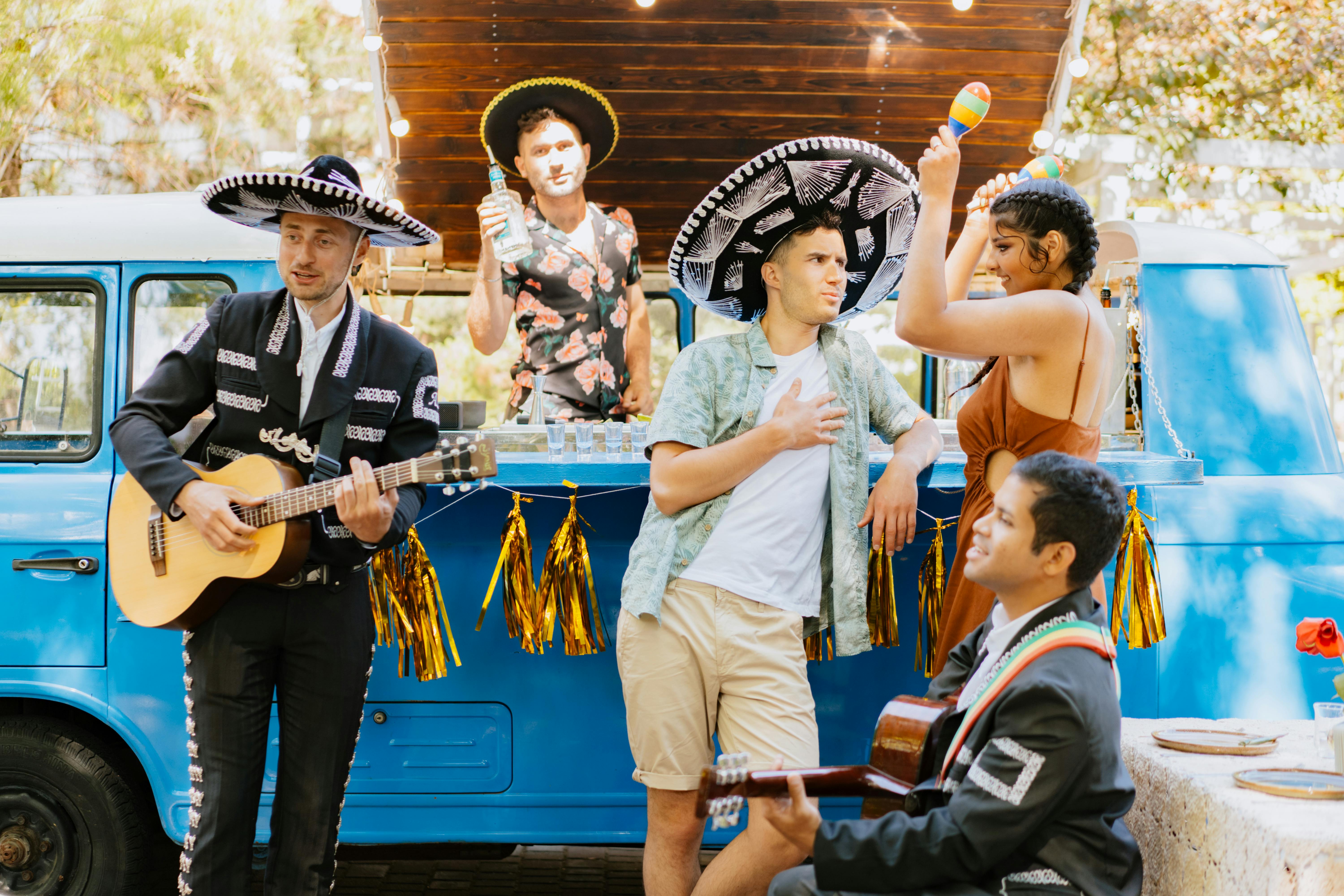


Music as the Heartbeat of Latino Daily Life
Walk into almost any Latino household, and you will hear it before you see it. A cumbia rhythm drifting from the kitchen. A ranchera ballad echoes through a Sunday morning cleanup. A reggaeton beat pulsing from a teenager's bedroom down the hall. For Latino families across the United States, music is both entertainment saved for special occasions and a living backdrop of everyday existence. Latino music culture is woven so deeply into domestic life that separating the two feels almost impossible. Music is how memories are made, how emotions are processed, and how cultural roots stay firmly planted even when families are thousands of miles from their homelands.
The Kitchen as a Stage
Few spaces in a Latino home carry more cultural weight than the kitchen. It is where abuelas teach grandchildren how to season a pot of beans, where tamales get assembled in assembly-line fashion during the holidays, and where music absolutely must be playing. Latin music in daily life begins here, in the steam and sizzle of a family meal being prepared.
Mothers and grandmothers often hum or sing along without even realizing it. The music playing is rarely random. It reflects the family's regional roots—a Mexican family from Jalisco might default to mariachi, while a Cuban household reaches for son cubano or boleros. A Colombian family might fill the kitchen with vallenato. These choices carry identity, functioning almost like a spoken declaration of where the family comes from. Latin cuisine traditions and music are deeply intertwined, both serving as carriers of heritage passed from one generation to the next.
Cleaning Days and Collective Rhythm
If the kitchen is where music plays softly in the background, Saturday morning cleaning is where it plays at full volume. In countless Latino households, the weekend deep clean is practically a cultural event in its own right. The mop comes out, the furniture gets moved, and someone turns the speakers all the way up.
This is the domain of Hispanic family traditions, music at its most joyful. Salsa, merengue, bachata, and cumbia transform chores into something closer to a family dance party. Children sweep to the beat. Parents sing to each other across rooms. Even teenagers who pretend to be too cool for family activities end up moving their shoulders without meaning to. The music creates a shared energy that makes hard work feel communal rather than burdensome. It is a tradition so consistent that many Latino adults, now raising families of their own, instinctively reach for the same genre of music their parents played on those Saturday mornings decades ago.
Road Trips, Car Rides, and Rolling Soundtracks
The family car is another powerful stage for Latino identity and culture expressed through music. Whether it is a long road trip to visit relatives or a short drive to the grocery store, music is always part of the journey. Latino parents often use car rides as informal music education, playing albums and explaining who the artist is, where they are from, and why they matter.
These moments plant seeds. A child hearing Marc Anthony for the first time on the way to school, or learning the chorus of a Vicente Fernández classic during a cross-country drive, is receiving cultural inheritance in real time. The car becomes a classroom where Latino music culture gets transmitted without textbooks or formal lessons—just repetition, emotion, and family presence.
Celebrations, Quinceañeras, and Community Sound
Music in Latino family life reaches its peak intensity during celebrations. Birthdays, weddings, baptisms, and quinceañeras are all defined as much by their music selections as by any other element. The playlist for a quinceañera, for example, is carefully curated to honor both tradition and the young woman's personal taste—often blending classic ballads with contemporary Latin hits.
Latino festivals across the U.S. mirror this dynamic at a community scale, where live music becomes the connective thread that pulls thousands of people into a shared experience of cultural pride. At home or at a festival, the goal is the same: music makes the moment meaningful.
Music as a Bridge Between Generations
One of the most powerful roles music plays in Latino family life is bridging generational gaps. Grandparents who grew up listening to boleros and rancheras sometimes struggle to connect with grandchildren raised on reggaeton and Latin trap. But music often becomes the unexpected meeting point.
The evolution of salsa and reggaeton in the U.S. shows how Latin music in daily life adapts without abandoning its roots. A grandfather might sit down and genuinely enjoy a Bad Bunny song once a grandchild explains its structure. A teenager might discover a love for cumbia after hearing their parents' stories behind it. Music creates those openings because it communicates emotionally before it communicates intellectually.
The central role of family in Latino culture makes this musical exchange even more significant. La familia is the primary institution through which culture survives, and music is one of its most reliable tools.
Music Keeps Latino Culture Alive
The role of music in Latino family life extends far beyond simple entertainment. It is a cultural language spoken in kitchens, living rooms, and car rides—a language that carries history, identity, and love across generations without ever needing to be formally taught. From Saturday cleaning rituals to quinceañera playlists, Latino music culture functions as both a daily comfort and a lifelong anchor to heritage.
For Latino families living in the United States, music is often one of the most reliable ways to stay connected to roots that geography and time can otherwise erode. It keeps Hispanic family traditions alive in the most ordinary moments, reminding families of who they are and where they come from—one song at a time.
Visit United Tribes today to learn more about Latino culture and community, from businesses that celebrate it to the stories and events that keep it thriving across the country.


