
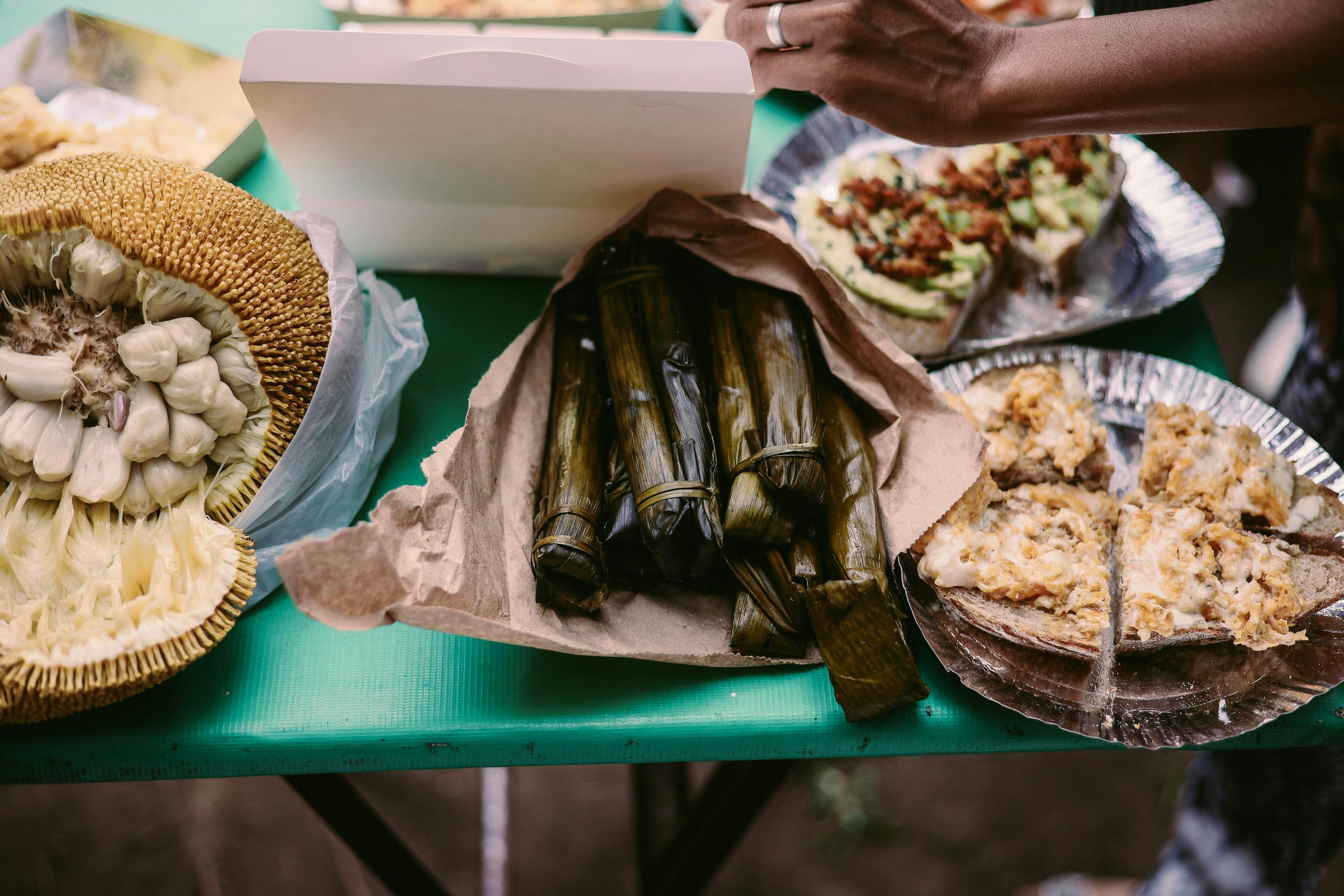

There are no written invitations, no formal instructions, and certainly no printed guidelines — yet every Filipino knows the rule instinctively. When you visit someone's home, you bring food. It doesn't matter if you're stopping by for five minutes or staying for the whole afternoon. You arrive with something in hand: a box of pandesal, a bag of kakanin, a tray of bibingka, or whatever you picked up along the way. This unspoken expectation isn't about obligation. It's about love, respect, and a cultural identity deeply rooted in generosity.
More Than Just a Gift — It's a Cultural Statement
To understand Filipino visiting etiquette, you have to understand how Filipinos view giving. Bringing food to someone's home signals that you thought of the people inside before you even arrived. That thought — that small act of anticipation — is the heart of Filipino hospitality food culture.

Welcome to United Tribes
Where Filipino Culture Comes Alive
Join Your Tribe
Connect with your people
Discover Events
Watch parties & festivals
Find Filipino Businesses
Restaurants, markets & more
Earn Crown Credits
Get rewarded for engaging
The practice draws directly from pasalubong culture, one of the most cherished Filipino traditions. Pasalubong refers to the gifts travelers bring home for family and friends, typically food or local treats from wherever they've been. The pasalubong culture meaning goes deeper than souvenir-giving — it represents the idea that no matter how far you travel, the people you love are always on your mind. When applied to everyday visits, this same spirit transforms a simple bag of sweets into a profound expression of connection.
What You Bring Matters — But Not in the Way You Think
Contrary to what outsiders might assume, the value of what you bring is rarely about price. A bag of *otap* from a local bakery carries the same emotional weight as an elaborate dessert spread. What matters is the intention behind it. Filipinos are remarkably perceptive about sincerity, and a thoughtfully chosen, humble pasalubong will almost always land better than something expensive but impersonal.
Common food items people bring when visiting Filipino homes include:
- Baked goods like ensaymada, mamon, or pandesal
- Native delicacies such as puto, kutsinta, or biko
- Seasonal fruits wrapped in a plastic bag from the market
- Fast food takeout shared informally at the table
- Homemade dishes carried in a pot or container
The Filipino comfort foods are often the very same dishes passed between households as expressions of care — meals that carry memory, warmth, and cultural belonging.
The Act of Sharing Is the Point
Once you arrive and hand over the food you brought, something remarkable happens: it immediately becomes everyone's. Filipino sharing food culture operates on the principle that what belongs to one belongs to all. The moment your pasalubong hits the table, it stops being yours. It gets unwrapped, plated, and distributed — sometimes before you've even settled into your seat.
This instinct to share is part of the broader value system that includes bayanihan and pakikisama — the communal spirit and sense of togetherness that define Filipino social life. As explored in discussions of how bayanihan and pakikisama thrive elsewhere, these values don't disappear when Filipinos move abroad. They adapt, survive, and often grow stronger in diaspora settings where cultural rituals become anchors of identity.
Filipino Hospitality Food and the Language of Welcome
Filipino homes operate on a principle of radical welcome. Guests are welcomed into the household, fed generously, and made to feel they belong there. The phrase *"Kumain ka na ba?"* (Have you eaten yet?) is practically a greeting. It doesn't wait for an answer before pulling food from the kitchen.
When a guest brings food, they are participating in this same language of welcome from their side. They are saying: *"I come in good faith. I honor your home. I bring something for us to share."* The food becomes a bridge between visitor and host, dissolving formality and opening the door to genuine connection.
This is particularly significant during Filipino celebrations and gatherings. Adapting Filipino celebrations in America often means recreating this same atmosphere of abundance and togetherness, even in new environments. Bringing food to a Filipino home in California or Texas carries the same cultural resonance as doing so in Manila or Cebu.
Pasalubong in the Filipino-American Experience
For Filipinos living in the United States, the meaning of pasalubong culture takes on additional layers. Food becomes a way of maintaining cultural continuity across generations and geographies. Filipino-American families often seek out specialty items — kakanin and traditional rice delicacies, or beloved sweets like halo-halo — specifically to bring when visiting loved ones, because these foods carry a connection to the homeland that words alone cannot replicate.
For second-generation Filipinos, bringing food when visiting is often one of the first cultural lessons absorbed — not through lectures, but through observation and repetition. You watch your parents do it. You see the joy on your lola's face when the bag is handed over. And eventually, you do it too, without needing to be told why.
Food Is How Filipinos Say I Love You
Filipino visiting etiquette, at its core, is an expression of love made tangible through food. The act of arriving with something — anything — communicates care, respect, and cultural belonging in ways that words often can't match. From the deep roots of pasalubong culture to the everyday generosity that defines Filipino hospitality food traditions, this unwritten rule has survived generations because it works. It builds relationships. It honors hosts. It keeps culture alive.
For Filipino-Americans especially, these small rituals carry enormous weight. Bringing food when you visit isn't just polite — it's a declaration of cultural identity and a way to keep tradition alive in a new land. Whether it's a box of bibingka from a Filipino bakery or a homemade pot of adobo, the gesture speaks a language that every Filipino heart understands.
Visit United Tribes today to learn more about Filipino culture and community — from heritage stories and cultural spotlights to business listings and events celebrating the rich, generous spirit that makes Filipino identity so beautifully distinct.


