
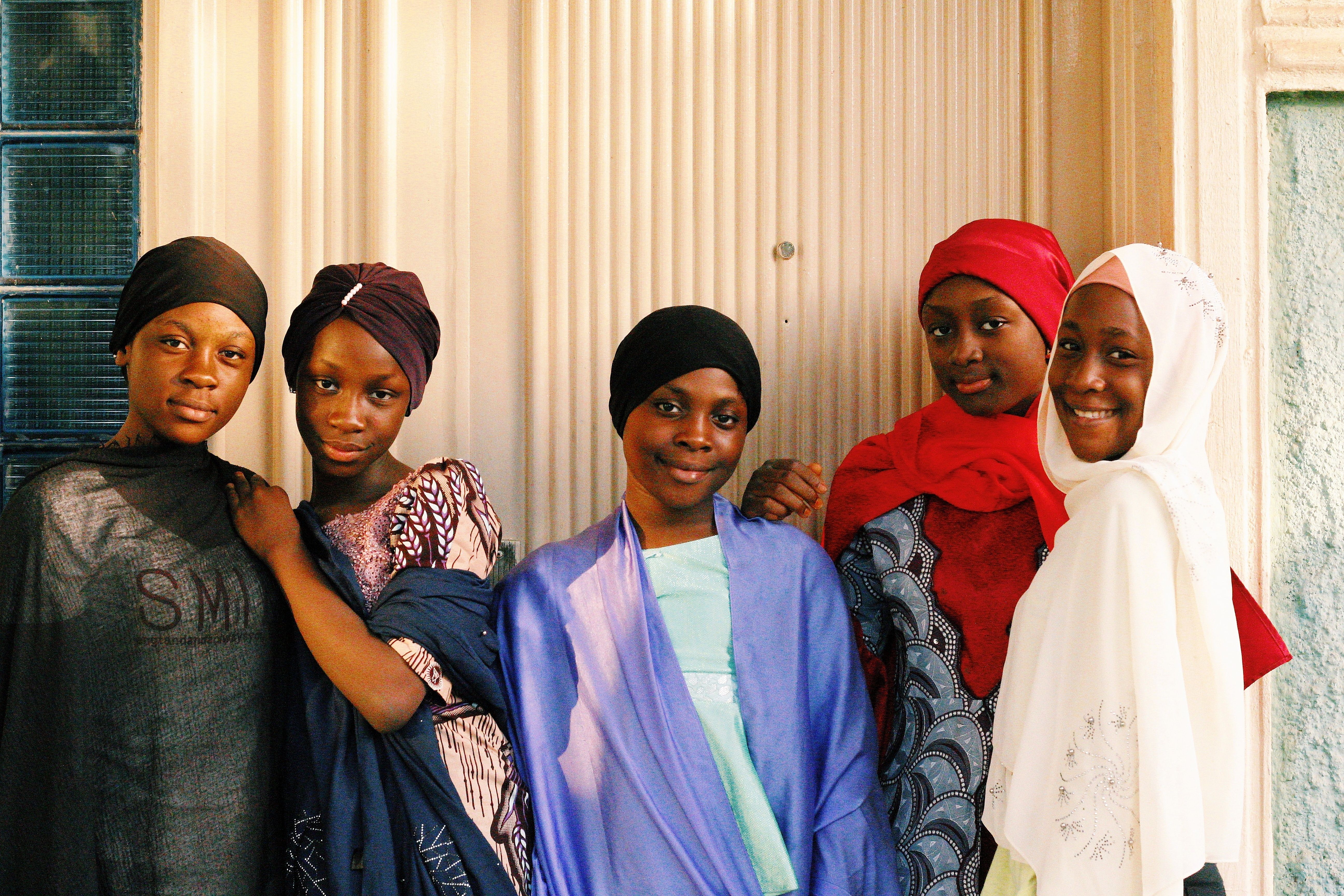

Clothing has always been more than fabric and thread. For Somali communities, traditional garments carry the weight of identity, history, and belonging: worn with pride at weddings, religious ceremonies, and everyday life alike. Whether draped in the flowing elegance of a dirac or wrapped in the earthy simplicity of a macawiis, Somali people carry centuries of cultural meaning on their shoulders. As the Somali diaspora continues to grow across the United States, these garments have become powerful symbols of cultural continuity, a way of staying rooted while building new lives far from home.
The Dirac: Elegance as Expression
The dirac is perhaps the most iconic piece of Somali clothing. A long, flowing dress typically made from silk, chiffon, or voile, the dirac is worn by Somali women for celebrations, weddings, and religious occasions. Its defining characteristic is its translucency, as the fabric is often sheer and layered, creating a luminous, graceful silhouette.

Welcome to United Tribes
Where Somalian Culture Comes Alive
Join Your Tribe
Connect with your people
Discover Events
Watch parties & festivals
Find Somalian Businesses
Restaurants, markets & more
Earn Crown Credits
Get rewarded for engaging
Beneath the dirac, women typically wear a gorgorad, a cotton underdress, and may pair the entire ensemble with a shash, a lightweight headscarf. The combination produces an effect that is simultaneously modest and breathtaking. Colors range from deep jewel tones to soft pastels, and garments are often embellished with embroidery, beading, or metallic thread.
What makes the dirac particularly meaningful is its role in marking life's most significant moments. A bride wearing a dirac at her wedding is stepping into a tradition shared by her mother, grandmother, and generations of Somali women before her. For Somali women in the United States, wearing the dirac at community events becomes an act of cultural pride and memory.
The Macawiis: Everyday Heritage for Men
If the dirac is the ceremonial heart of Somali culture, the macawiis is its everyday pulse. This sarong-like garment is worn by Somali men and boys, typically wrapped around the waist and falling to the ankle. Simple in construction yet deeply meaningful, the macawiis is a staple of daily life: worn at home, at the mosque, and during casual gatherings.
The macawiis is usually made from cotton or a lightweight blend, featuring plaid or striped patterns in earthy tones. Its practicality in warm climates made it a natural fit for life on the Horn of Africa, but its continued use within diaspora communities speaks to something beyond utility. Wearing the macawiis in Minnesota or Ohio is a quiet declaration: this is where I come from, and I carry it with me.
Men often pair the macawiis with a koofiyad, a traditional embroidered cap, particularly during prayers and religious occasions. Together, these pieces form a distinctly Somali aesthetic that is immediately recognizable within the community.
The Guntiino: A Garment of Ceremony and Strength
The guntiino is one of the oldest and most culturally significant garments in Somali tradition. Worn by women, it consists of a long piece of cloth, typically four meters or more, that is draped around the body and tied at one shoulder, leaving the other bare. Its style resembles garments found across East Africa, reflecting centuries of trade, migration, and cultural exchange.
Unlike the dirac, the guntiino is often associated with formal ceremonies, poetry readings, and cultural performances. It is especially prominent during Somali cultural celebrations and national occasions, where it symbolizes heritage and feminine strength. The garment is frequently rendered in gold, red, or white, colors that carry symbolic resonance in Somali traditions.
For diaspora communities in the U.S., the guntiino appears at cultural festivals, heritage events, and community gatherings, where it serves as both a visual anchor to the homeland and a statement of cultural pride. Passing down knowledge of how to properly drape and tie a guntiino has itself become an act of intergenerational cultural preservation, something explored beautifully in broader conversations about bridging generations through family traditions.
Craftsmanship and the Art of Adornment
Traditional Somali clothing is crafted with intention. Embroidery plays a central role in elevating everyday garments into heirlooms. Intricate geometric patterns, floral motifs, and borders stitched in gold or silver thread transform fabric into art. These embellishments are often applied by hand, with techniques passed from one generation to the next.
Jewelry is equally important. Somali women traditionally wear xirsi (amulets) and layered gold jewelry at celebrations, complementing the dirac or guntiino with pieces that hold spiritual and familial significance. The complete ensemble- garment, embroidery, jewelry, and headscarf- tells a story that words alone cannot.
In the United States, a growing number of Somali designers and tailors are keeping these crafts alive, blending traditional techniques with contemporary aesthetics to serve a diaspora that wants to honor its roots without abandoning its present.
Clothing as Cultural Narrative
Every garment in Somali culture is a form of storytelling. The colors chosen, the patterns selected, and the occasions on which certain pieces are worn all communicate meaning within the community. This is why Somali clothing endures not just as fashion but as cultural narrative, a living text that communities continue to write. The role of storytelling in shaping cultural identity across generations is a theme that resonates deeply across many heritage communities, as explored in this piece on how cultural narratives shape identity.
In the U.S., cultural festivals and community events have become the stages on which these garments are displayed and celebrated. Community festivals across the country offer Somali Americans and curious neighbors the chance to witness these traditions in living color.
Wearing Identity, Honoring Heritage
From the shimmering layers of the dirac to the understated dignity of the macawiis, traditional Somali clothing tells a story that spans continents and centuries. Each garment carries the fingerprints of the people who made it, wore it, and passed it on, a wearable archive of Somali identity. For the Somali diaspora in America, these traditions are not relics; they are living practices that anchor communities to their roots while weaving new chapters into the cultural fabric of this country.
Whether worn at a wedding in Minneapolis or a cultural showcase in Columbus, Somali garments continue to command attention, spark conversation, and foster pride. They remind wearers and onlookers alike that cultural identity travels with you, draped across your shoulders and stitched into everything you carry forward.
Explore the Somali community and other heritage communities building cultural visibility across the U.S. at United Tribes, a space where tradition meets discovery.
Make United Tribes Your Preferred Source
Add United Tribes on Google to get the latest stories, cultural updates, and community events directly in your Google Search and Top Stories.


