
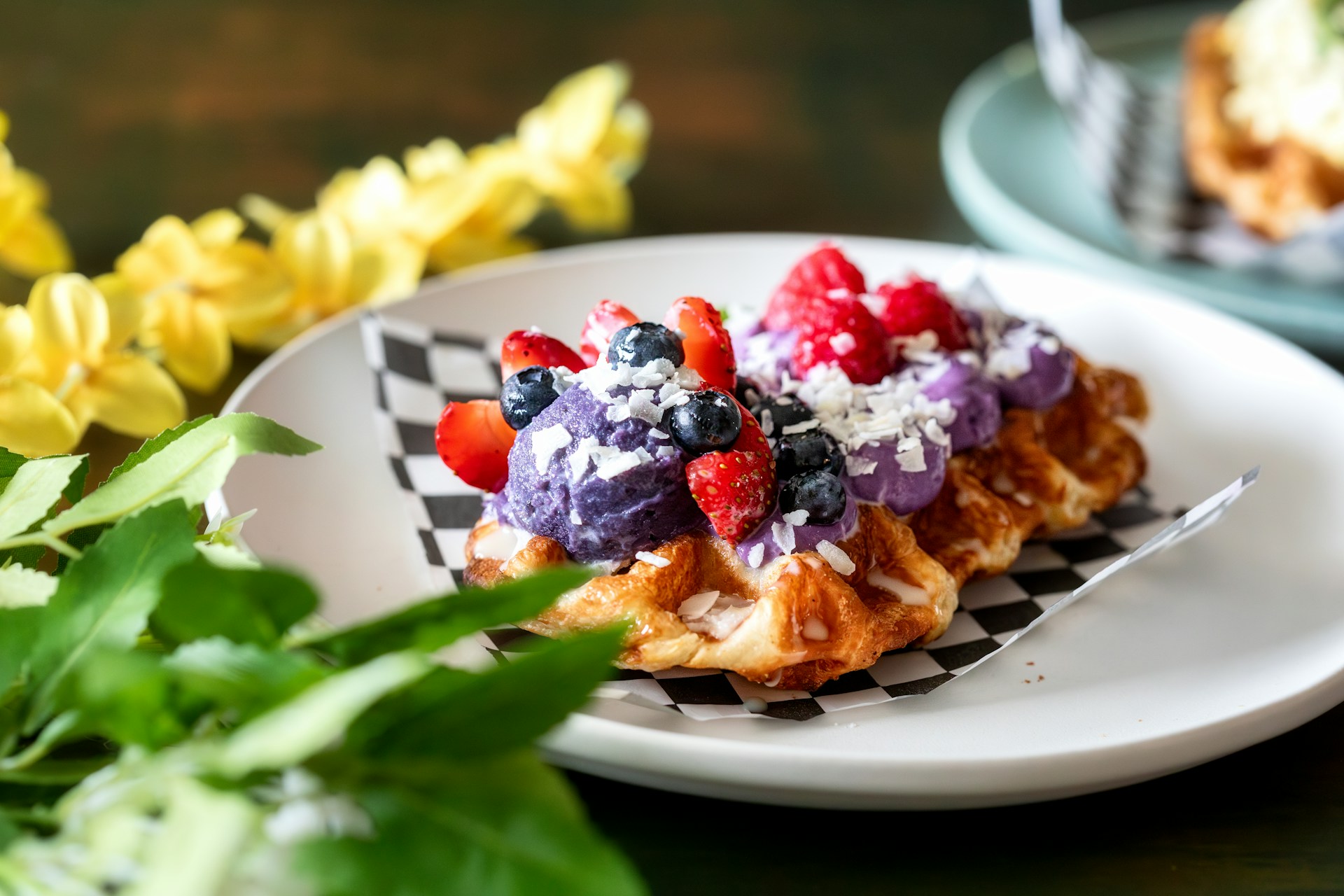


The vibrant purple yam known as ube has transformed from a traditional Filipino ingredient into one of America's most sought-after dessert flavors. This remarkable tuber, scientifically called Dioscorea alata, has captured the hearts and taste buds of Americans coast to coast, creating a colorful revolution in bakeries, cafes, and restaurants nationwide. The ube craze is a delicious phenomenon that also celebrates the Filipino heritage and finds its place in mainstream American cuisine.
What began as a humble root vegetable in the Philippines has evolved into a symbol of Filipino-American culinary innovation, with entrepreneurs and bakers across the United States creating stunning desserts that honor tradition while embracing creativity.
Origins of Ube in Philippine Culture
Ube holds deep cultural significance in Philippine cuisine, where it has been cultivated for centuries across the archipelago's fertile islands. The Philippine-endemic purple yam is particularly abundant in regions like Bohol, known for producing some of the finest quality ube in the country. Traditional Filipino preparations include ube halaya, a rich purple pudding often served during special occasions and holidays, and halo-halo, the beloved shaved ice dessert where ube serves as both ingredient and topping.
In Philippine households, ube represents comfort, celebration, and family gatherings. For example, the laborious process of preparing traditional ube halaya involves hours of stirring and careful attention, which demonstrates the love and dedication Filipino families put into their culinary traditions. The ingredient's natural sweetness and distinctive earthy flavor made it a perfect base for desserts, while its stunning purple color added visual appeal to festive occasions.
The purple yam also appears in other traditional Filipino preparations such as ube ice cream, ube cake, and various kakanin (rice cakes), showcasing the versatility that would later make it so appealing to American palates.
The Filipino-American Culinary Bridge
Filipino-Americans played a crucial role in introducing ube to broader American audiences, much like how they've shared other aspects of their rich cultural heritage through Filipino street food in America, from isaw to balut. Second and third-generation Filipino-Americans, particularly those in the culinary industry, began experimenting with incorporating traditional ingredients into contemporary American dessert formats.
Cities with large Filipino populations, including Los Angeles, San Francisco, New York, and Chicago, became testing grounds for ube innovations. Filipino bakeries started offering ube versions of American classics: ube cheesecake, ube macarons, ube cookies, and ube soft-serve ice cream. These creations maintained the authentic ube flavor while presenting it in familiar formats that appealed to diverse American tastes.
The visual impact of ube cannot be understated. In an era of social media dominance, the naturally vibrant purple color made ube desserts incredibly photogenic, helping fuel their popularity across platforms like Instagram and TikTok.
Modern Ube Innovations in American Bakeries
Today's Filipino food trend has inspired remarkable creativity in American bakeries and dessert shops. Innovative bakers are crafting ube donuts with purple glazes, ube bubble tea with chewy tapioca pearls, ube Swiss rolls filled with creamy custard, and ube tres leches cakes that combine Filipino and Latin American influences.
Artisanal ice cream shops across the country now feature ube as a permanent flavor, often paired with complementary tastes like coconut, taro, or vanilla. Bakeries are creating ube croissants, ube bread pudding, and even ube chocolate truffles, demonstrating the ingredient's remarkable versatility in both traditional and contemporary applications.
High-end restaurants have embraced ube in sophisticated preparations, incorporating it into panna cotta, crème brûlée, and elaborate plated desserts that showcase both its flavor and visual appeal. This elevation of ube from humble root vegetable to gourmet ingredient reflects the growing appreciation for Filipino culinary traditions in American fine dining.
Cultural Impact and Community Pride
The success of ube desserts in the USA has created a source of tremendous pride within Filipino-American communities. Seeing their traditional ingredient celebrated and embraced by mainstream America validates the richness of Filipino culture and cuisine. This recognition extends beyond food, contributing to a broader appreciation for Filipino traditions, much like the growing interest in Philippine folk dance, preserving culture through movement.
Filipino entrepreneurs have seized this opportunity to open specialized ube-focused businesses, from dedicated ube dessert shops to companies producing high-quality ube extract and powder for home bakers. These businesses cater to both nostalgic Filipino-Americans seeking to relive memories of home and curious Americans eager to experience authentic ube flavors.
The purple yam Philippines connection has also sparked interest in Philippine tourism and culture, with food enthusiasts planning trips to experience ube in its native context and explore other aspects of Filipino heritage.
The Future of Ube in America
As the Filipino food trend continues gaining momentum, ube's presence in American dessert culture shows no signs of slowing. Major food companies are developing ube-flavored products for mass market distribution, while innovative chefs continue pushing boundaries with creative applications.
Seasonal ube offerings now appear regularly in mainstream chains, introducing the flavor to new audiences nationwide. The ingredient's natural properties make it suitable for various dietary preferences, including vegan and gluten-free preparations, expanding its potential market reach.
The success of ube has also opened doors for other Filipino ingredients and flavors, suggesting a broader acceptance and curiosity about Philippine cuisine that benefits the entire Filipino-American culinary community.
Embracing Filipino Culinary Heritage
The ube craze represents far more than a passing dessert trend – it symbolizes the successful integration of Filipino culinary traditions into American food culture. From its sacred place in Philippine kitchens to its starring role in contemporary American bakeries, ube has created bridges between cultures while honoring its authentic roots. This purple revolution demonstrates the power of food to share heritage, create connections, and build appreciation across diverse communities.
The continued success of ube desserts and dishes opens doors for greater recognition of Filipino culture and cuisine throughout America. As more people discover the unique flavors and rich traditions behind this vibrant ingredient, they gain a deeper appreciation for the Filipino-American community's contributions to the nation's culinary landscape. Visit United Tribes today and discover more about Filipino food culture and the community's rich traditions.


