
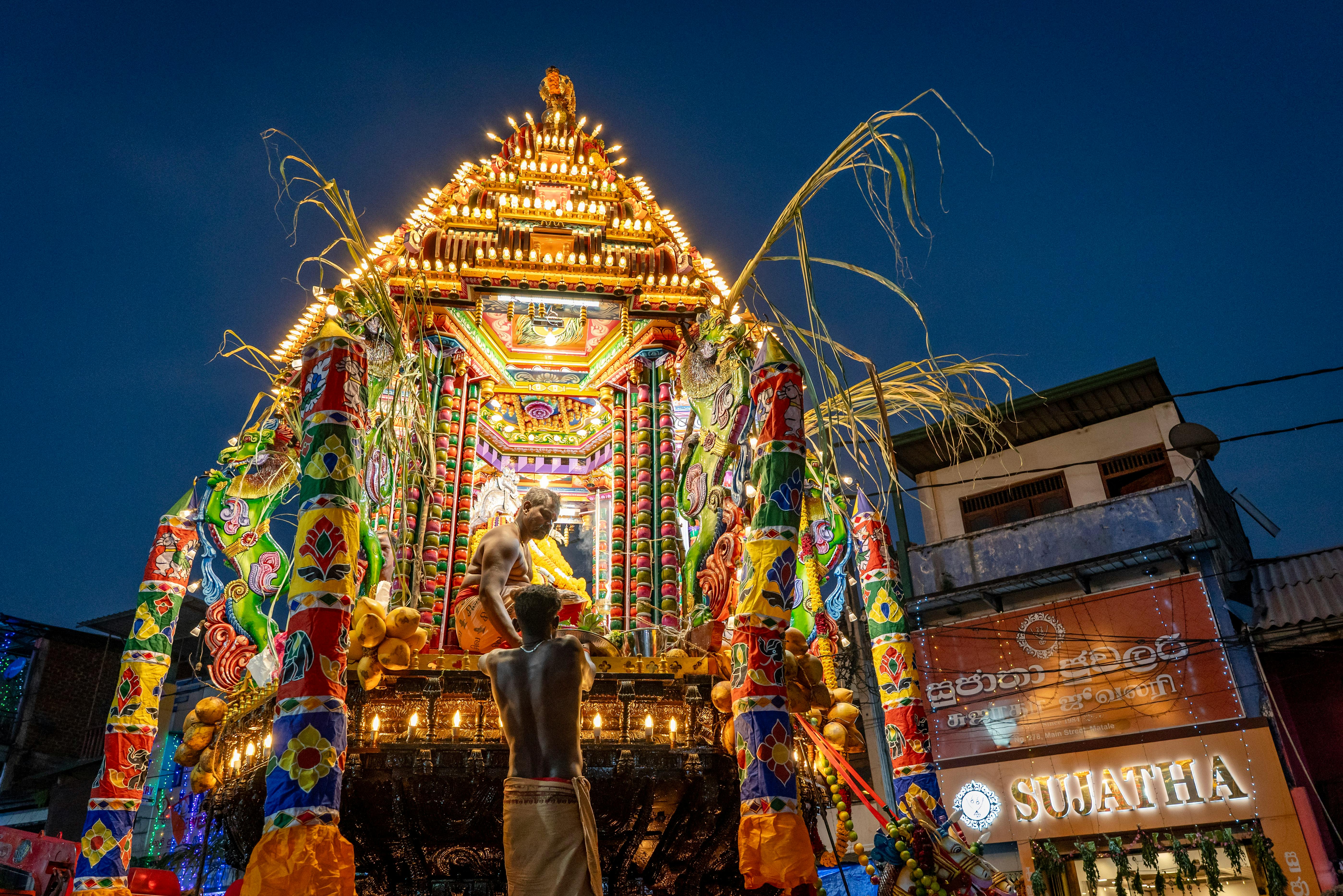

Every April, Malayali families across the world wake before sunrise, close their eyes, and wait. They are led carefully to a carefully arranged display of sacred objects before being allowed to open them. At first sight, the Vishukkani is believed to set the tone for the entire year ahead. This is Vishu, the Malayali New Year, and in 2026, it falls on April 14th. Vishu celebrations carry centuries of spiritual meaning, culinary tradition, and family connection that continues to thrive both in Kerala and among diaspora communities across the United States.
What Is Vishu and Why Does It Matter
Vishu marks the astronomical new year for the Malayalam calendar, falling when the sun enters the Medam (Aries) zodiac sign. Unlike purely lunar festivals, Vishu aligns with the solar cycle, making it a celebration of cosmic renewal as much as cultural identity.

Welcome to United Tribes
Where Indian Culture Comes Alive
Join Your Tribe
Connect with your people
Discover Events
Watch parties & festivals
Find Indian Businesses
Restaurants, markets & more
Earn Crown Credits
Get rewarded for engaging
For Malayali families, Vishu is one of the most emotionally significant days of the year. It is a time when generations gather, old rituals are honored, and children experience the same morning traditions their grandparents once did. The festival sits at the intersection of Hindu devotion, agricultural heritage, and familial love, which is a rare combination that gives Kerala culture in April its distinctive warmth and depth.
The Sacred Ritual of Vishukkani
No element of Vishu carries more spiritual weight than the Vishukkani. The word itself means "the first thing seen on Vishu," and Malayali tradition holds that an auspicious first sight ensures prosperity throughout the coming year.
The night before Vishu, the eldest woman of the household prepares the Kani — a brass or bronze vessel called an uruli — filled with symbolic items:
- A golden-yellow Konna flower (Cassia fistula), considered the flower of Vishu
- Raw rice, representing abundance
- Fresh vegetables and fruits like cucumber and jackfruit
- Coins and currency notes for prosperity
- A lit lamp and a Vishnu idol or image, anchoring the ritual in devotion
- A holy text, often the Ramayana or Bhagavad Gita
At dawn, family members are awakened and led to the Kani with their eyes closed, then allowed to open them. This moment — quiet, golden, intentional — is considered the most sacred of the year. Just as Diwali home traditions use light and decoration to invite blessings, the Vishukkani uses natural abundance to welcome prosperity through sight.
Vishu Sadhya: The Festive Meal
If the Vishukkani feeds the soul, the Vishu Sadhya feeds everything else. This elaborate vegetarian feast served on a fresh banana leaf is a cornerstone of the day's celebrations.
Traditional Vishu Sadhya includes:
- Vishu Katta — a rice and coconut milk preparation unique to the festival
- Manga curry — raw mango in coconut gravy
- Thoran — dry vegetables stir-fried with coconut
- Papadam, pickles, and banana chips
- Payasam — sweet kheer served as dessert, often in multiple varieties
The banana leaf is not merely a plate — it is a symbol of natural simplicity and Kerala's deep connection to the land. Meals are served from left to right in a specific order, and finishing everything on the leaf is considered respectful and auspicious. Cooking these dishes is often a multi-generational effort, with grandmothers guiding younger family members through recipes passed down without measurements, only memory.
Vishu Kaineetam: The Gift of Blessings
One of the most beloved Vishukkani traditions is Kaineetam, the giving of gifts, typically money, from elders to younger family members. This exchange is not simply financial; it is a transfer of blessings and goodwill that reinforces family bonds.
Elders give crisp new currency notes to children, and in return, children offer respect and good wishes. In modern Malayali households, Kaineetam has evolved to include small gifts alongside money. Still, the symbolic heart of the tradition remains unchanged: abundance flows from the older generation to the younger, ensuring continuity of care and culture.
For Indian immigrants living abroad, this ritual takes on extra meaning. Sending Kaineetam to family back in Kerala, or gathering locally with other Malayali families to recreate the tradition, is as much an act of cultural preservation as it is a celebration.
Vishu in the Diaspora: Community and Connection
Across the United States, Malayali associations and Kerala cultural organizations host Vishu events in cities including Houston, Chicago, New York, and the San Francisco Bay Area. These gatherings replicate the warmth of home — complete with Vishukkani displays, Sadhya-style meals, cultural performances, and Kaineetam ceremonies for children.
These community celebrations reflect something meaningful: that Malayali New Year traditions are actively celebrated, adapted, and passed forward. Temple celebrations, especially at Hindu temples with active South Indian congregations, often feature special Vishu pujas and community meals open to all.
The spiritual dimension of Indian art forms like rangoli echoes the devotional spirit of Vishu, where every element — flower, fruit, flame — carries intentional meaning and an invitation for divine blessings.
Honoring Wellness on Vishu
Many Malayali families incorporate wellness practices drawn from Ayurvedic tradition into their Vishu observance. Eating a specific bitter preparation called Vishu Kaineettam karkidaka or consuming neem flowers with jaggery on the morning of Vishu is believed to purify the body and prepare it for the new year. The healing traditions of Ayurveda remain deeply woven into how Malayali families approach both festive days and everyday health.
Carry Kerala's New Year Spirit Forward
Vishu is a living tradition that begins before sunrise with closed eyes and a sacred arrangement, moves through the shared labor of a Sadhya kitchen, and ends with coins pressed into young palms as a blessing for the future. Whether celebrated in Kerala or in a community hall in New Jersey, the traditions of Vishukkani, festive feasting, and Kaineetam carry the same warmth they always have.
For Malayali families in the United States, Vishu is also a reminder that cultural identity does not fade with distance. It strengthens when communities choose to gather, cook together, and teach their children what these rituals mean. Kerala culture in April blooms wherever Malayali hearts choose to honor it.
Visit United Tribes today and find out more about Indian culture and community — from festival guides and cultural spotlights to business listings and events near you.
Make United Tribes Your Preferred Source
Add United Tribes on Google to get the latest stories, cultural updates, and community events directly in your Google Search and Top Stories.


