
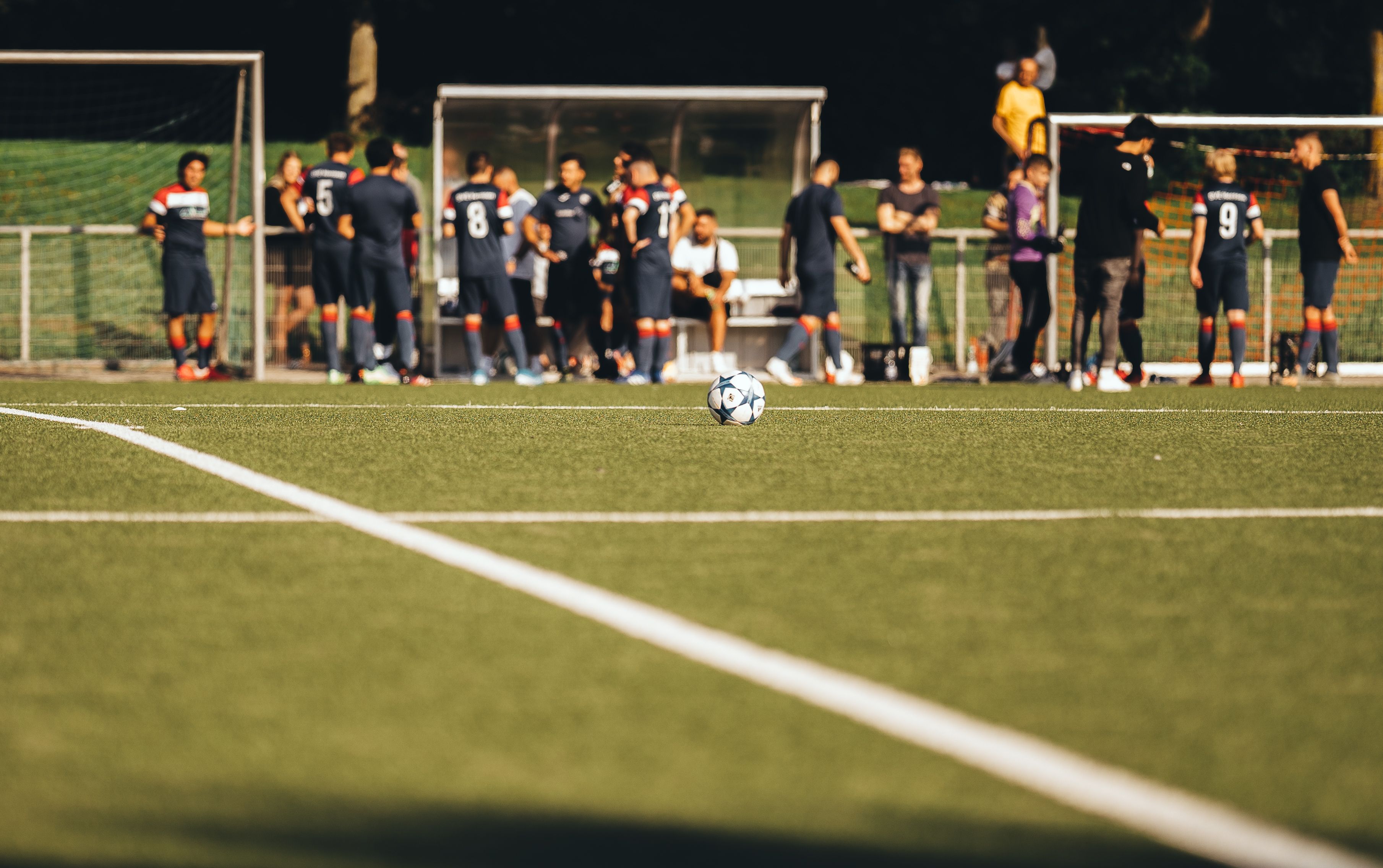

There is a particular pressure that comes with inviting the world to your doorstep. Not the logistical pressure of stadiums and schedules, but the quieter, more revealing kind — the pressure of being seen. When the FIFA World Cup 2026 came to the United States, Canada, and Mexico, America stepped into that spotlight with all of its contradictions intact: a nation of immigrants that does not always act like one, a country with enormous civic potential that does not always use it. What the tournament gave back, however, was a rare and clarifying mirror.

Welcome to United Tribes
Where Diverse Cultures Come Alive
Join Your Tribe
Connect with your people
Discover Events
Watch parties & festivals
Find Tribe Businesses
Restaurants, markets & more
Earn Crown Credits
Get rewarded for engaging
Hospitality Is a Civic Skill, Not a Natural Gift
Hosting eleven cities across the continental United States required a cultural posture, one of openness, patience, and genuine curiosity about the people arriving. In cities like Los Angeles, Dallas, New York, and Miami, residents encountered languages, customs, and rhythms of life that were new to them, often in spaces they considered familiar: transit systems, parks, downtown corridors.
What became apparent was that hospitality at scale is a learnable civic behavior, not something a country either has or lacks. Cities that invested in multilingual signage, culturally sensitive volunteer training, and accessible public gathering spaces reported smoother community interactions and more positive international media coverage. Cities that treated the tournament primarily as an economic transaction, a revenue event, missed something harder to quantify but far more durable: the opportunity to practice being a genuinely welcoming society.
Public Space as the Real Playing Field
One of the most underappreciated dimensions of the World Cup host country's impact was what happened outside the stadiums. Public plazas, waterfronts, transit hubs, and urban parks became sites of spontaneous cultural exchange. Fans from dozens of nations congregated in shared civic space, often peacefully, often joyfully, and in doing so, they demonstrated something American urban planning has long struggled to achieve: truly inclusive public space.
This matters beyond the tournament. American cities have historically designed public space around commerce or automobility rather than communal gathering. The World Cup showed that when people are given a reason and a place to be together, they use it. The legacy question is whether city planners, local governments, and community organizations carry that lesson forward once the cameras leave.
Civic Participation Looks Different When Stakes Are Personal
Volunteering surged across host cities. Civic organizations mobilized. Local governments coordinated with cultural groups to ensure that diaspora communities, Brazilian, Argentine, Moroccan, Mexican, and dozens more, felt seen and represented in the city's public face. This raised a pointed question: why does it take a global tournament to activate this level of civic energy?
The answer, uncomfortable as it is, reveals something true about American civic culture. Engagement spikes when there is a clear, exciting, time-limited reason to show up. The challenge is translating that energy into the unglamorous, ongoing work of community building.
Cultural Curiosity Cannot Be Forced, But It Can Be Encouraged
Perhaps the most quietly significant outcome of hosting was the way it nudged ordinary Americans toward genuine cultural curiosity. When your neighbor is flying a Senegalese flag and celebrating in a language you do not speak, you have a choice: ignore it or lean in. Millions of Americans leaned in.
The cultural impact of FIFA 2026 was felt in conversations between strangers on trains, in local media covering unfamiliar football rivalries, in children asking their parents why certain countries celebrate the way they do. Curiosity, once sparked, has a longer half-life than spectacle. The question is whether American institutions, schools, media outlets, local governments, and cultural organizations choose to nurture it.
Community festivals across the U.S. have long served this function at a smaller, sustained scale. The World Cup made the argument for cultural exchange at a volume impossible to ignore.
The Diaspora Moment America Almost Missed
One of the most revealing dynamics of the tournament was the visibility of America's own diaspora communities. Mexican-Americans in Dallas, Ecuadorian-Americans in New Jersey, and Portuguese-Americans in New England were spectators who served as cultural translators, hosts within the host nation, and bridges between their countries of heritage and their country of residence.
The American FIFA legacy should include clearer recognition of the United States' cultural richness in hosting global events. The diaspora communities that animated the tournament's atmosphere in American cities represent an underutilized national asset. Their languages, their knowledge of other cultures, their networks: these are civic resources that extend well beyond any sporting calendar. Recognizing this is part of what Hispanic Heritage Month and similar observances have long argued: representation and visibility are both decorative and functional.
What a Host Nation Owes Itself
Hosting the World Cup is ultimately an act of national self-examination. The crowds and the pageantry are real, but so are the gaps they expose: in language access, in equitable infrastructure, in the readiness of institutions to engage communities they have long overlooked. America emerged from FIFA 2026 not transformed, but genuinely tested, and in some cities, genuinely improved.
The Lasting Lesson Beyond the Final Whistle
The World Cup does not linger, but its questions do. What kind of host does America want to be, not for a tournament, but for the millions of people who already live here, carrying the flags of other nations in their hearts while building lives on American soil? The lessons from FIFA 2026 for America point to a country with the raw ingredients for extraordinary civic and cultural life. The gap is in the willingness to design systems, spaces, and habits that honor it year-round.
The communities that made this tournament feel alive in American cities are the same communities that show up every day as entrepreneurs, organizers, artists, and neighbors. Investing in their visibility is an ongoing civic responsibility. Explore the multicultural communities, businesses, and events already shaping American life by stepping into United Tribes — where cultural identity meets everyday discovery.
Make United Tribes Your Preferred Source
Add United Tribes on Google to get the latest stories, cultural updates, and community events directly in your Google Search and Top Stories.


