
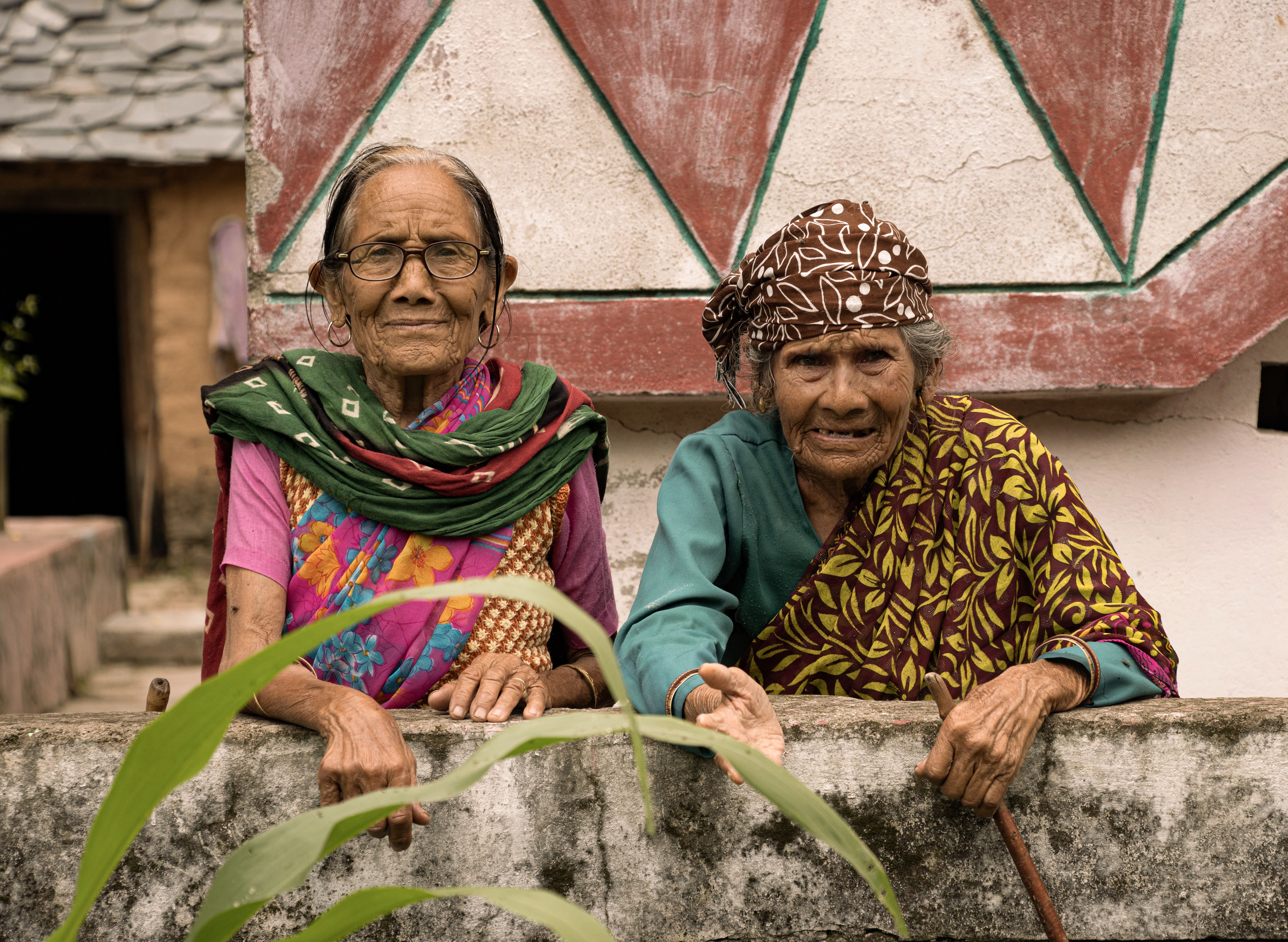

In many Indian households, a quiet but powerful moment happens at the start of festivals, before big life events, or simply when visiting grandparents after a long time away. A younger family member bends down to touch an elder's feet, and the elder places a hand on their head in response. It lasts only seconds, but it carries centuries of meaning. This is pranam — a gesture of deep respect that sits at the heart of many Indian family customs, though not one that looks the same in every home or region across the country.
What Pranam Actually Means
The word *pranam* comes from Sanskrit and broadly translates to "to bow" or "to offer reverence." When someone touches an elder's feet, the act is understood as acknowledging that person's wisdom, age, and life experience. It is a polite physical expression of humility and a recognition that the elder carries something worth honoring.

Welcome to United Tribes
Where Indian Culture Comes Alive
Join Your Tribe
Connect with your people
Discover Events
Watch parties & festivals
Find Indian Businesses
Restaurants, markets & more
Earn Crown Credits
Get rewarded for engaging
In many Hindu philosophical traditions, the feet are considered a spiritually significant part of the body, associated with grounding energy and the blessings a person can pass downward. By touching them, the younger person is symbolically receiving those blessings. The elder's response — resting a hand on the younger person's head or back — completes the exchange. It is a two-way gesture, not a one-sided act of submission.
When Does Pranam Typically Happen
Pranam doesn't happen on a fixed schedule, and its timing varies widely by family and occasion. Common moments include:
- Arriving at or departing from a family home after a long absence
- The morning of a major festival such as Diwali, Dussehra, or Navratri
- Before and after significant life events like weddings or academic examinations
- On elders' birthdays or during religious ceremonies
- When seeking guidance before a major decision
Indian wedding customs are among the most prominent occasions where pranam appears repeatedly—from the groom and bride touching their parents' feet to guests honoring the families hosting the ceremony. The gesture threads through the entire event as a reminder of what the occasion represents within the family structure.
Who Counts as an Elder in This Context
In this context, "elder" is not strictly about age gaps. Pranam is typically offered to:
- Grandparents and great-grandparents
- Parents, particularly in formal or ceremonial settings
- Older relatives such as aunts, uncles, and in-laws
- Teachers, gurus, or religious figures
In some families, the threshold for who receives pranam is quite broad. In others, it is reserved only for the oldest generation. No single rule exists, and each household's internal logic shapes who bends down and who receives the gesture.
Regional and Household Differences
It would be inaccurate to present pranam as a uniform practice across all of India. The country's religious diversity, regional cultures, and caste and community backgrounds all influence how — or whether — this custom is observed.
In many North Indian Hindu households, touching the feet of elders is common and expected at the moments described above. In South Indian families, a similar gesture exists, though its form and frequency can differ. In some communities, a full prostration — lying completely flat — is practiced during religious rites. In contrast, others use only a brief bend at the waist or a light touch to the feet followed by touching one's own chest or forehead.
Among Indian families from Jain, Sikh, or Muslim backgrounds, expressions of respect toward elders take different forms that carry equal cultural weight. However, they may not involve touching the feet at all. This distinction matters: pranam is not the default expression of respect across all Indian communities. Understanding what respect looks like in Indian households requires looking beyond a single gesture and recognizing the broader landscape of how deference, care, and reverence are communicated.
The Diaspora Experience: Holding On and Letting Go
For Indian families living in the United States, pranam carries an additional layer of meaning — it becomes one of the visible markers of cultural continuity in an environment where the surrounding culture does not share or always understand the gesture.
Many diaspora parents deliberately teach pranam to their children as part of preserving Indian family customs. During visits from grandparents or trips back to India, children practice the gesture. For some families, it remains a consistent practice; for others, it is reserved for ceremonial occasions only.
Indian parenting across cultures often involves navigating this kind of question: which traditions are essential to pass on, and how do you explain their meaning to a child who grew up in a different context? Pranam is often part of that conversation.
Among younger Indian Americans, attitudes toward pranam vary. Some embrace it as a meaningful connection to family and heritage. Others feel uncomfortable with it in certain settings — particularly outside the home — or question elements of it as they develop their own relationship with their cultural identity. This tension shapes how Indian youth balance heritage with modern expression, and it has no single resolution.
A Living Tradition, Not a Fixed Rule
What makes pranam significant is not that it follows a rigid script, but that families across generations keep interpreting and renegotiating it. Some households practice it daily; others bring it out only at weddings and festivals. Some families discuss its meaning openly with younger members; others pass it along through example without explanation.
The gesture endures because it expresses something that crosses regional and generational lines: the value of honoring those who came before. Whether practiced in a South Indian village, a North Indian city, or a living room in New Jersey, the core intention — recognizing an elder's wisdom and seeking their blessing — carries weight that many families find worth preserving.
Respect Rooted in Family and Tradition
Pranam is a small gesture with a deep footprint in Indian family life. It reflects values around humility, intergenerational connection, and the belief that elders carry something worth acknowledging. Across regions, religions, and households, the form it takes varies — but the impulse behind it speaks to a broader Indian cultural emphasis on honoring those who have walked further through life. Understanding this tradition means looking at it not as a fixed rule, but as a living expression that each family shapes in its own way.
For Indian diaspora families in the U.S., customs like pranam become part of a larger effort to stay tethered to cultural roots while building lives in a new context — as explored in this look at how Indian families navigate shared expectations. The gesture is one thread in a much larger fabric of identity, belonging, and continuity.
Connecting with others who share these values — and discovering Indian-owned businesses and cultural spaces that reflect them — is easier when you have the right starting point. Tap into the Indian community on United Tribes to find businesses, stories, and events rooted in the heritage that makes these traditions feel like home.
Make United Tribes Your Preferred Source
Add United Tribes on Google to get the latest stories, cultural updates, and community events directly in your Google Search and Top Stories.