
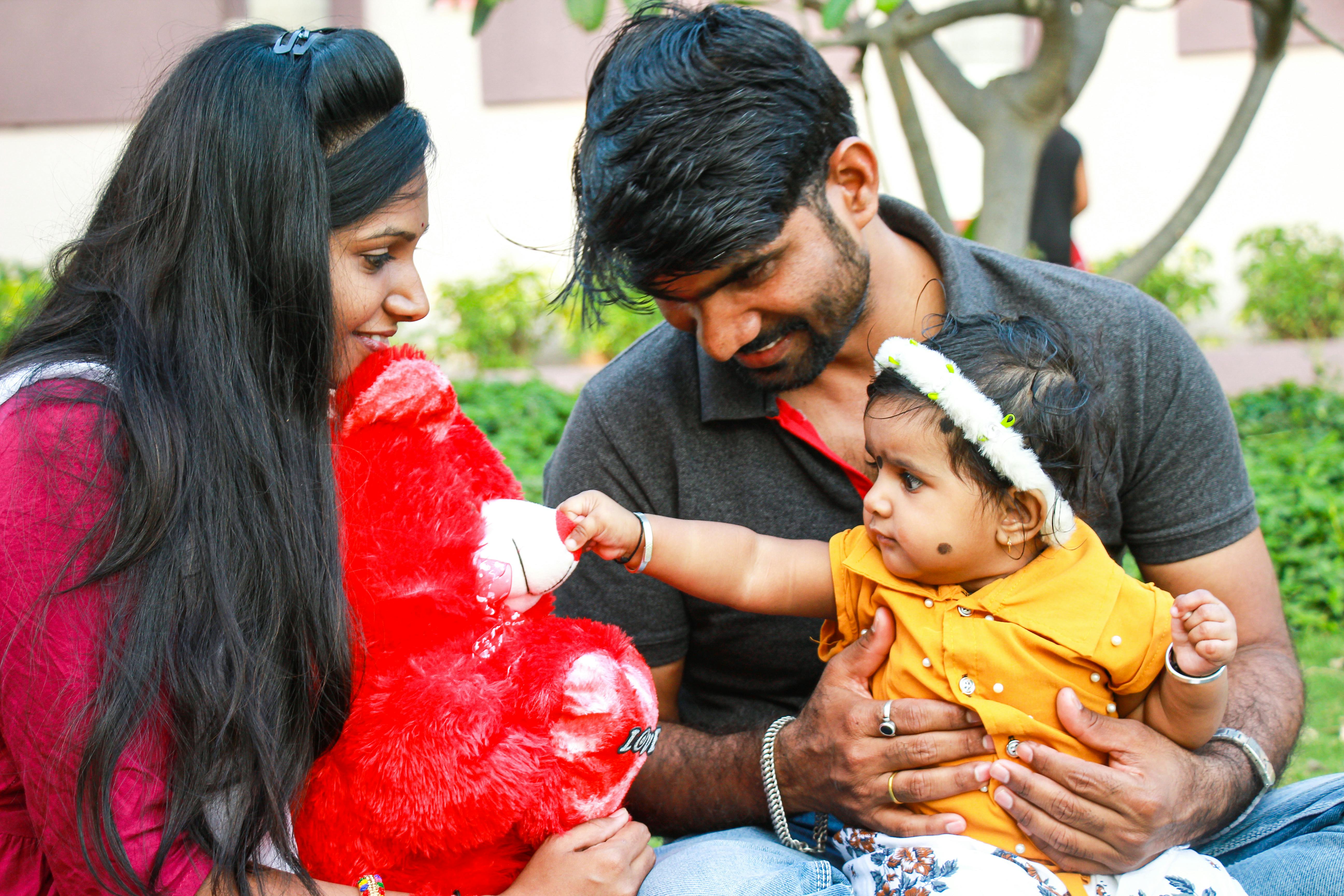

In Indian homes, respect is practiced in everyday life, from the way someone enters a room to the order in which food is served to the quiet adjustments made when an elder is present. The culture of Indian respect runs deep, shaped by centuries of tradition, spiritual values, and a strong sense of collective identity. For families navigating both heritage and modern life, especially in the diaspora, understanding these gestures is essential to preserving what makes Indian households uniquely powerful.
The Language Beneath the Language
Words matter in Indian family etiquette, but tone matters more. Speaking to an elder in a calm, measured voice is itself a form of reverence. Raising one's voice — even during disagreement — is considered a significant breach of respect. This applies across generations, whether speaking to a grandparent, a parent, or even an older neighbor.

Welcome to United Tribes
Where Indian Culture Comes Alive
Join Your Tribe
Connect with your people
Discover Events
Watch parties & festivals
Find Indian Businesses
Restaurants, markets & more
Earn Crown Credits
Get rewarded for engaging
Many Indian languages carry built-in markers of respect. Hindi speakers use "aap" instead of "tum" when addressing elders. Tamil, Telugu, and other regional languages have their own formal registers. When families migrate and switch primarily to English, they often retain this sensitivity to tone even without the grammatical scaffolding — understanding instinctively that *how* something is said carries as much weight as what is said.
Touching Feet and the Meaning Behind the Motion
One of the most recognized gestures in Indian social customs is touching an elder's feet — known as *pranam* or *charan sparsh*. This gesture is performed during festivals, after long absences, on birthdays, and in moments of blessing-seeking. This is a symbolic gesture that communicates humility, acknowledgment of lineage, and gratitude.
Elders respond by placing a hand on the person's head or shoulders, offering a blessing in return. The exchange creates a brief but powerful moment of intergenerational connection. For younger Indian Americans who may feel disconnected from certain traditions, this physical gesture often becomes one of the last cultural practices they retain — a bridge between identity and belonging. The importance of such traditions is explored further in this piece on bridging generations through family traditions.
Seating Arrangements as Quiet Hierarchy
In Indian household norms, where you sit and when you sit communicate social standing. Elders are typically seated first, often in designated chairs or spaces at the dining table or living room. Younger family members wait until elders are settled before taking their own seats. During meals, this is especially pronounced.
The floor-level seating common in traditional homes also carries meaning. Sitting lower than an elder is considered respectful. In many South Indian households, meals are still served with everyone seated on the floor, reinforcing a shared humility. Even in households that have adopted Western-style dining, the invisible hierarchy often persists — younger members instinctively avoid claiming "the head of the table" while elders are present.
How Food Is Served and Why It Matters
Serving food in Indian homes can also be seen as an act of devotion. Indian family etiquette places the eldest at the center of the mealtime ritual. The first serving often goes to the oldest person present, or to guests if visitors are in the home. Children and younger adults eat after the elders have been served and are comfortable.
The person doing the serving — often a daughter-in-law, mother, or elder daughter — moves through the meal attentively, refilling plates without being asked and checking preferences without drawing attention to the act. Refusing food repeatedly or leaving the table abruptly is considered disrespectful. Finishing food on the plate signals appreciation. These practices reflect a larger cultural truth: food is love, and offering it with care is one of the most direct expressions of respect in Indian culture.
This relationship between nourishment and tradition extends to wellness practices as well. The healing traditions of Ayurveda among Indian Americans reveal how food choices themselves carry cultural and spiritual significance within Indian households.
Morning Routines as Rituals of Reverence
In many traditional Indian homes, the day begins with structured rituals that embed respect into the fabric of daily life. Waking before elders, greeting them with folded hands (*namaskar*), and seeking blessings before leaving for school or work are considered baseline Indian social customs in observant households.
The *puja* room, present in many Indian homes, is another anchor of morning routine. Family members — often led by the eldest woman of the house — perform prayers before the day begins. Younger members participate or observe, absorbing the rhythms of devotion and gratitude. These morning moments are understood as orientation — a daily reminder of one's place within family, community, and something larger.
Festivals deepen these routines further. During Diwali and celebrations like Navratri, these rituals expand into community-wide expressions of the same values practiced quietly at home every morning.
Respect Toward Guests and the Threshold as Sacred
Indian households treat guests with a reverence that mirrors the treatment of elders. The phrase *"Atithi Devo Bhava"* — the guest is God — reflects a deeply embedded cultural principle. Guests are offered seating, food, and refreshments before any conversation begins. The spiritual depth of rangoli drawn at doorsteps is itself a gesture of welcome and blessing directed at all who enter.
This hospitality reflects the same values of service, humility, and attentiveness that govern how family members treat one another internally.
Respect as a Living, Breathing Tradition
Respect in Indian culture is a living practice, renewed every morning through small gestures, shared meals, and the quiet acknowledgment of those who came before. From tone of voice to the order of serving food, these customs carry centuries of meaning that continues to evolve with each generation, including those building lives far from their ancestral homes.
For Indian Americans in particular, these practices become powerful anchors of identity. Understanding the *why* behind gestures like touching feet or waiting to be seated helps younger generations engage with heritage not as an obligation but as a source of pride. These are the invisible threads that hold families together across time zones, languages, and generations.
Visit United Tribes today to learn more about Indian culture and community — from festivals and family traditions to businesses and stories that keep this rich heritage alive and visible in the United States.
Make United Tribes Your Preferred Source
Add United Tribes on Google to get the latest stories, cultural updates, and community events directly in your Google Search and Top Stories.


