
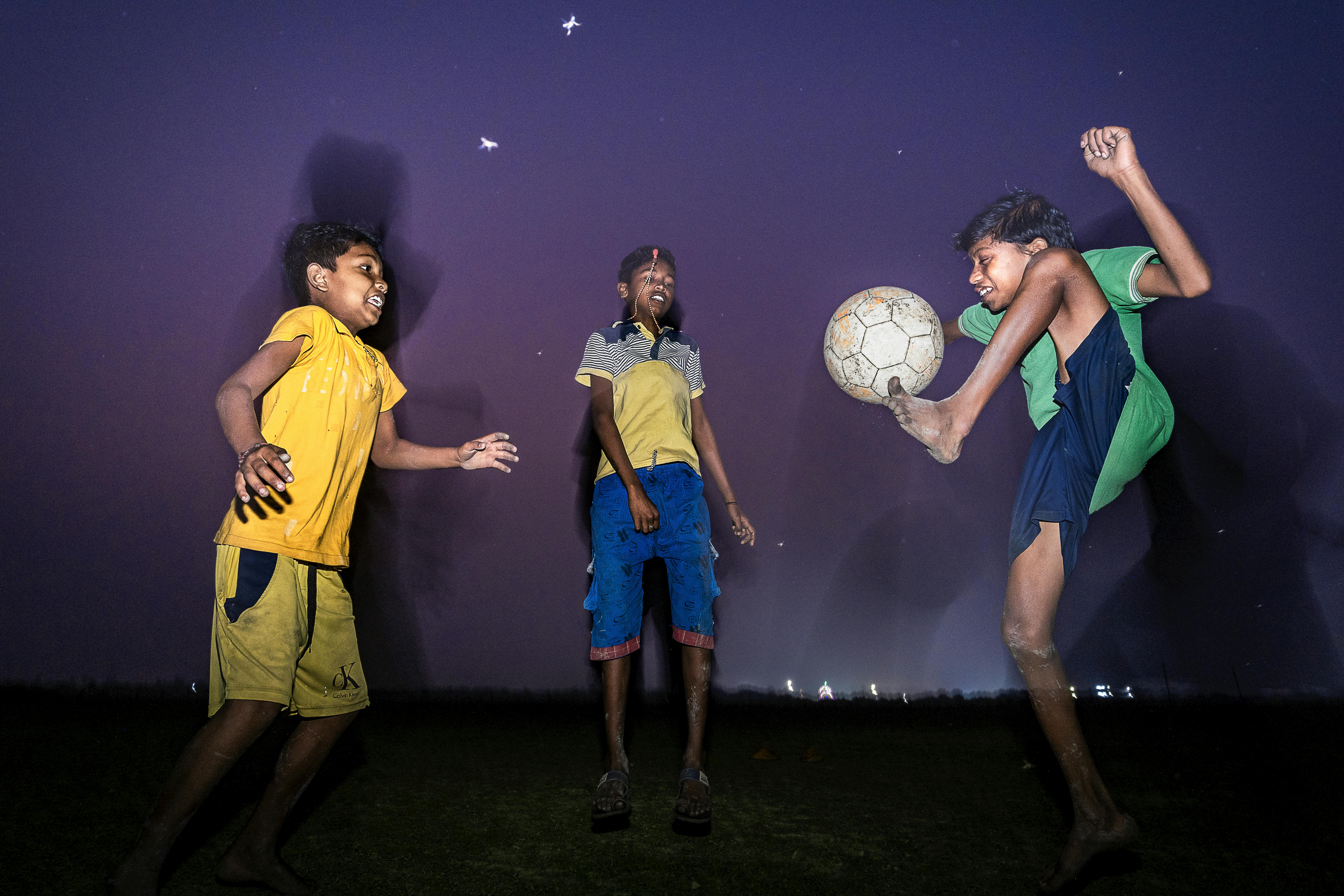


Every four years, the FIFA World Cup ignites a global frenzy — and Indian fans are among the loudest voices in that chorus. This might seem paradoxical at first. India has never qualified for the FIFA World Cup (barring a 1950 withdrawal), and the national team sits outside the world's top 100 in FIFA rankings. Yet Indian football fans across the world, especially within the Indian diaspora in the United States, show up with a devotion that rivals that of any qualifying nation.
Football as a Borrowed Passion With Deep Roots
Football arrived in India through British colonialism, taking root particularly in West Bengal, Goa, and Kerala. Kolkata's club culture, for example, is one of the oldest in Asia. The Durand Cup, established in 1888, is among the world's oldest football competitions. So while India may not compete on the global stage, the sport's cultural infrastructure runs deep.
This foundation means that generations of Indian families grew up watching international football, forming loyalties to European and South American clubs and national teams. Brazil, Argentina, Germany, and Portugal have massive Indian fan bases — loyalties often passed down from grandparents to grandchildren like heirlooms.
Why India Loves Football Without Playing It
The answer lies in how Indians consume the sport emotionally. Why India loves football has less to do with national glory and more to do with the joy of the game itself. Indian fans are, by nature, connoisseurs. They analyze tactics, celebrate technique, and revere players like Ronaldo, Messi, and Mbappé with near-mythological devotion.
Regional identity also plays a role. Goans lean toward Portuguese club culture. Keralites and Bengalis maintain intense grassroots football traditions. These regional fandoms scale upward during the World Cup, translating local passion into global allegiance.
The Indian Diaspora and World Cup Culture in the U.S.
For the Indian diaspora in the U.S., the World Cup is a cultural anchor. In cities like New Jersey, Houston, Chicago, and the Bay Area, Indian diaspora soccer culture pulses visibly every four years. Indian-owned restaurants transform into watch party hubs. Community centers host viewing events organized by cultural associations.
These gatherings carry a distinctly Indian flavor. Chai is brewed alongside biryani. Chatter switches fluidly between English, Hindi, Malayalam, and Bengali. The atmosphere blends the electric energy of a sports bar with the warmth of a family gathering. It is, in many ways, a diaspora ritual — a way of being together while holding multiple identities simultaneously.
Team Loyalties: Who Do Indian Fans Actually Root For?
Indian football fans' World Cup allegiances are fascinatingly diverse and often inherited through pop culture, geography, and family tradition.
- Brazil commands a massive following, especially in Kerala and Bengal, rooted in decades of admiring Pelé, Ronaldo, and Ronaldinho
- Argentina surged after Maradona's legendary status and has intensified with Messi's global dominance
- Portugal draws heavily from Goa, given historical colonial ties and Ronaldo's superstar appeal
- Germany and France maintain strong followings among analytically minded fans who appreciate tactical football
During any World Cup, Indian-American communities visibly split across these loyalties, creating a lively internal culture of friendly rivalry. Social media feeds from Indian diaspora accounts erupt with memes, match commentary, and passionate debate — often more animated than fans from the actual competing countries.
Viewing Habits: How Indian Fans Experience the World Cup
Time zones, technology, and community shape the World Cup fan culture India embodies. Historically, Indian fans watched matches in the early morning hours due to time differences — a tradition of sacrifice that signals genuine devotion. In the U.S., this pressure eases somewhat, though late-night and early-morning games still draw dedicated viewers.
Indian-American households often turn matches into social events. Food plays a central role, reflecting the same cultural pride visible in how Indian Americans preserve regional masala blends as an expression of heritage. Snacks, street food replicas, and regional dishes become part of the match-day ritual.
Digital communities on WhatsApp, YouTube live streams, and Instagram have amplified this culture significantly. Indian football fan pages and YouTube channels command hundreds of thousands of subscribers, creating a parallel media ecosystem dedicated entirely to global football from an Indian perspective.
Pop Culture, Identity, and the Football-Bollywood Crossover
Indian fan culture rarely exists in isolation from broader cultural expression. Football fandom intersects with music, fashion, and entertainment in ways that feel entirely natural to the community. The same creativity that fuels Bollywood's influence on fashion and music in the U.S. also shapes how Indian fans celebrate their teams — through dance, festive dress, and communal expression.
Fan edits of Messi or Ronaldo set to Bollywood soundtracks regularly go viral. Indian comedians mine World Cup fan culture for material, reflecting the same sharp cultural observation seen in the rise of Indian comedy in the U.S. These intersections reveal that Indian football fandom is not separate from cultural identity abut ratheran extension of it.
Football, Heritage, and Indian Fan Pride
Indian football fans have built something remarkable — a passionate, sophisticated global fandom untethered from national team success. Their love for the World Cup is rooted in history, regional identity, diaspora community bonds, and a pure appreciation for the beautiful game. Whether gathered in a Kolkata tea stall or a New Jersey living room, the devotion is identical in spirit.
For the Indian diaspora in the U.S., the World Cup is equally a celebration of cultural belonging. It is a moment where being Indian and being a global citizen coexist perfectly — expressed through team jerseys, shared meals, and the universal language of sport.
Visit United Tribes today to learn more about Indian culture and community, from diaspora stories to cultural celebrations across the United States.


