
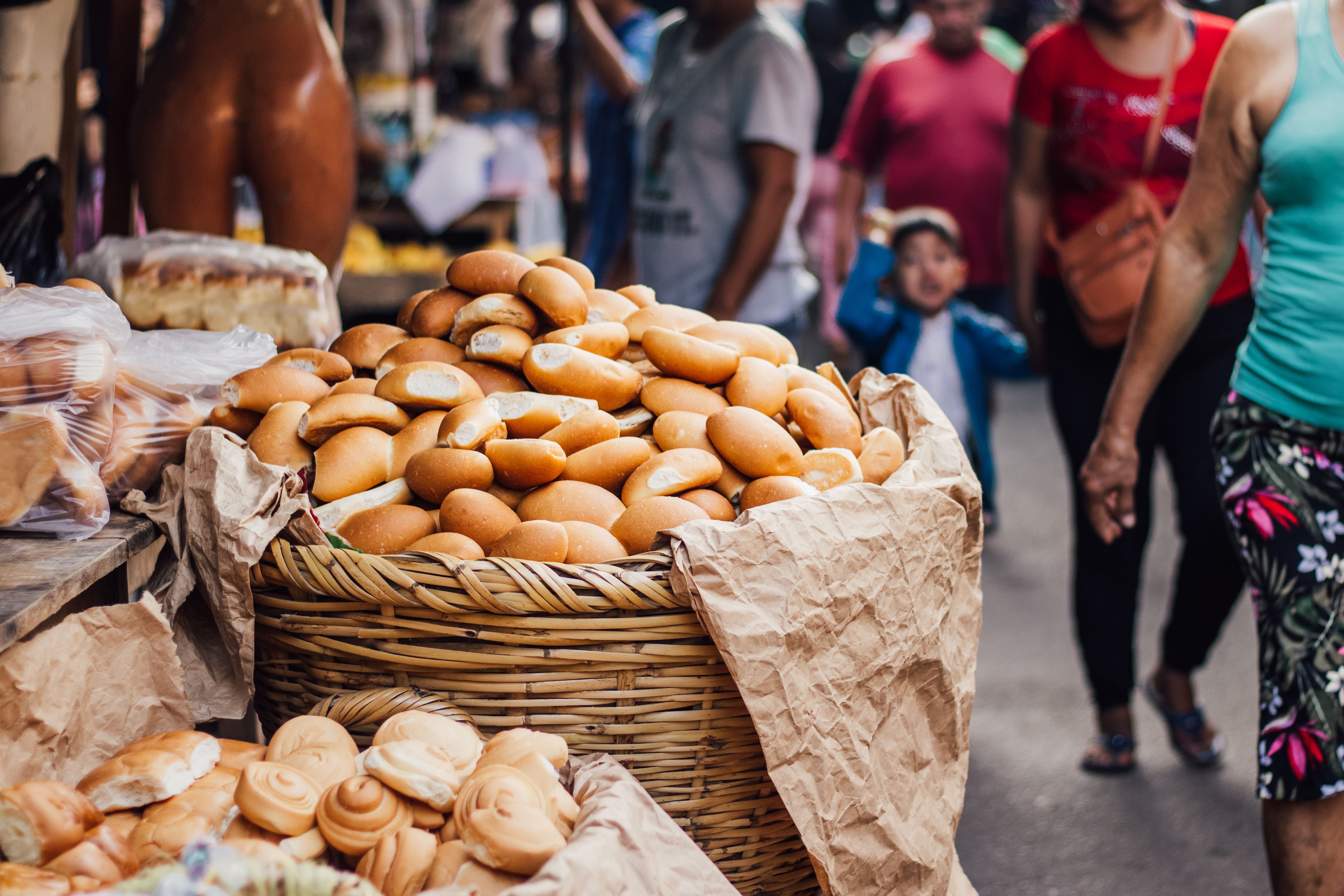

Walk into a panadería on a Sunday morning, and you'll understand immediately. The warm scent of cinnamon and sugar hangs in the air. Trays of pan dulce line the glass cases in rows of pink, yellow, and golden brown. Families cluster near the door waiting for fresh bolillos to come out of the oven. For millions of Latino families across the United States, the neighborhood Latino bakery is a touchstone of identity, a keeper of memory, and one of the most quietly powerful institutions in Hispanic culture.
More Than Bread: The Cultural Roots of the Panadería
The panadería has deep roots stretching back centuries. When Spanish colonizers arrived in the Americas, they brought wheat and European baking techniques with them. Indigenous and African influences gradually wove into those traditions, producing a baking culture that was entirely its own. By the 19th century, Mexican panaderías in particular had developed a vast vocabulary of pastries: conchas, cuernos, polvorones, campechanas, each with regional variations tied to specific states and towns.

Welcome to United Tribes
Where Mexican Culture Comes Alive
Join Your Tribe
Connect with your people
Discover Events
Watch parties & festivals
Find Mexican Businesses
Restaurants, markets & more
Earn Crown Credits
Get rewarded for engaging
What makes the panadería culturally distinct is that it was never just a commercial enterprise. It was a neighborhood anchor. Families would stop in after Sunday Mass. Grandmothers would send children with a few pesos, or later, a few dollars, to pick up a bag of assorted pan dulce for the evening. The bakery knew your order. Sometimes it knew your grandmother's order too.
The Pan Dulce Tradition and What It Carries
Pan dulce — literally "sweet bread" — is the broad category of pastries that defines the panadería experience. The selection varies by region and by the baker's family heritage, but certain staples appear across nearly every Latino bakery in the U.S.:
- Conchas — the pillared icon of pan dulce, named for their shell-patterned sugar topping
- Polvorones — crumbly, melt-in-your-mouth shortbread cookies dusted in powdered sugar
- Cuernos — croissant-style pastries dipped in sugar glaze
- Orejas — flaky, caramelized puff pastry in the shape of ears
- Bolillos — crusty rolls used for everything from tortas to sopping up soup
Each of these items carries family memory. For many Latino Americans, eating a concha is a return to a grandmother's kitchen, a particular Sunday, a smell that crosses decades. Latino culinary traditions like these are remarkably resilient, adapting to new environments without losing their emotional core.
The Panadería as Community Space
In Latino neighborhoods across cities like Los Angeles, Chicago, Houston, and Miami, the local panadería functions as informal community infrastructure. It's where neighbors run into each other, where you hear about a quinceañera being planned down the street, where someone posts a flyer for a community fundraiser on the bulletin board near the register.
Latino traditions around food have always been communal. Sharing a table, or a bag of bread, signals belonging. The panadería facilitates that without ceremony. There's no dress code or cover charge. You grab a tray and tongs, pick your pastries, and join a lineage of people who've done the same thing.
For recent immigrants especially, the panadería is often one of the first familiar spaces in an unfamiliar city. Hearing Spanish spoken behind the counter, seeing the same pastries from back home, smelling that particular combination of anise and vanilla- these things matter profoundly when everything else is new.
Family Businesses and Generational Legacy
Most panaderías are family-owned, often operated across multiple generations. A grandfather learned to bake in Jalisco or Oaxaca. His daughter carried the recipes north. Now her son manages the front of the house while she still comes in at 4 a.m. to start the dough. These stories repeat across the country, representing one of the most enduring forms of Latino entrepreneurship.
Running a panadería is not easy work. Bakers rise before dawn, work physically demanding hours, and compete against chain grocery stores that sell mass-produced versions of traditional pastries. And yet panaderías persist, because the community supports them, and because the product is genuinely irreplaceable. No factory concha tastes like the one pulled warm from a panadería oven.
The cultural continuity these businesses preserve is significant. Just as menudo connects Mexican-Americans to home through flavor and ritual, the panadería sustains a daily, accessible form of cultural belonging that doesn't require a special occasion to participate in.
Seasonal Baking and Celebration
The panadería calendar mirrors the broader Hispanic culture calendar. During Día de los Muertos, bakeries produce pan de muerto, a lightly sweet, anise-scented bread decorated with bone-shaped dough, placed on ofrendas alongside photographs of the departed. During the Christmas season, rosca de reyes appears, the ring-shaped bread studded with candied fruit that hides a small plastic baby figurine inside. Whoever finds it hosts the next celebration.
The Panadería in the Modern U.S. Landscape
Today's Latino bakeries are evolving. Some have introduced online ordering. Others have expanded into café-style spaces with espresso drinks alongside traditional aguas frescas. A newer generation of bakers is experimenting with flavor fusions like matcha conchas and ube polvorones while keeping the core tradition intact. This innovation reflects the same creative energy seen across Latino culinary fusion more broadly, where heritage and adaptation coexist rather than compete.
What hasn't changed is the bakery's role as a place of belonging. In a landscape where cultural spaces are increasingly commercialized or displaced, the neighborhood panadería remains stubbornly, beautifully itself.
The Panadería's Door Is Always Open
The neighborhood panadería endures because it offers something that cannot be manufactured at scale: genuine cultural warmth. It carries Latino traditions forward not through grand declarations but through daily bread, early mornings, and the small ritual of choosing your pastries from a tray. For the Latino community in the United States, these bakeries are places where heritage is made tangible, one concha at a time.
Whether you grew up steps from a panadería or are discovering these spaces for the first time, their significance in Hispanic culture is undeniable. They represent entrepreneurship, resilience, family, and the deep human need to share food with people you care about. Supporting your local Latino bakery is one of the most direct ways to support the community it serves.
Head to United Tribes to browse Latino-owned businesses in your area, from family panaderías to restaurants and beyond, and connect with the communities keeping these traditions alive.


