
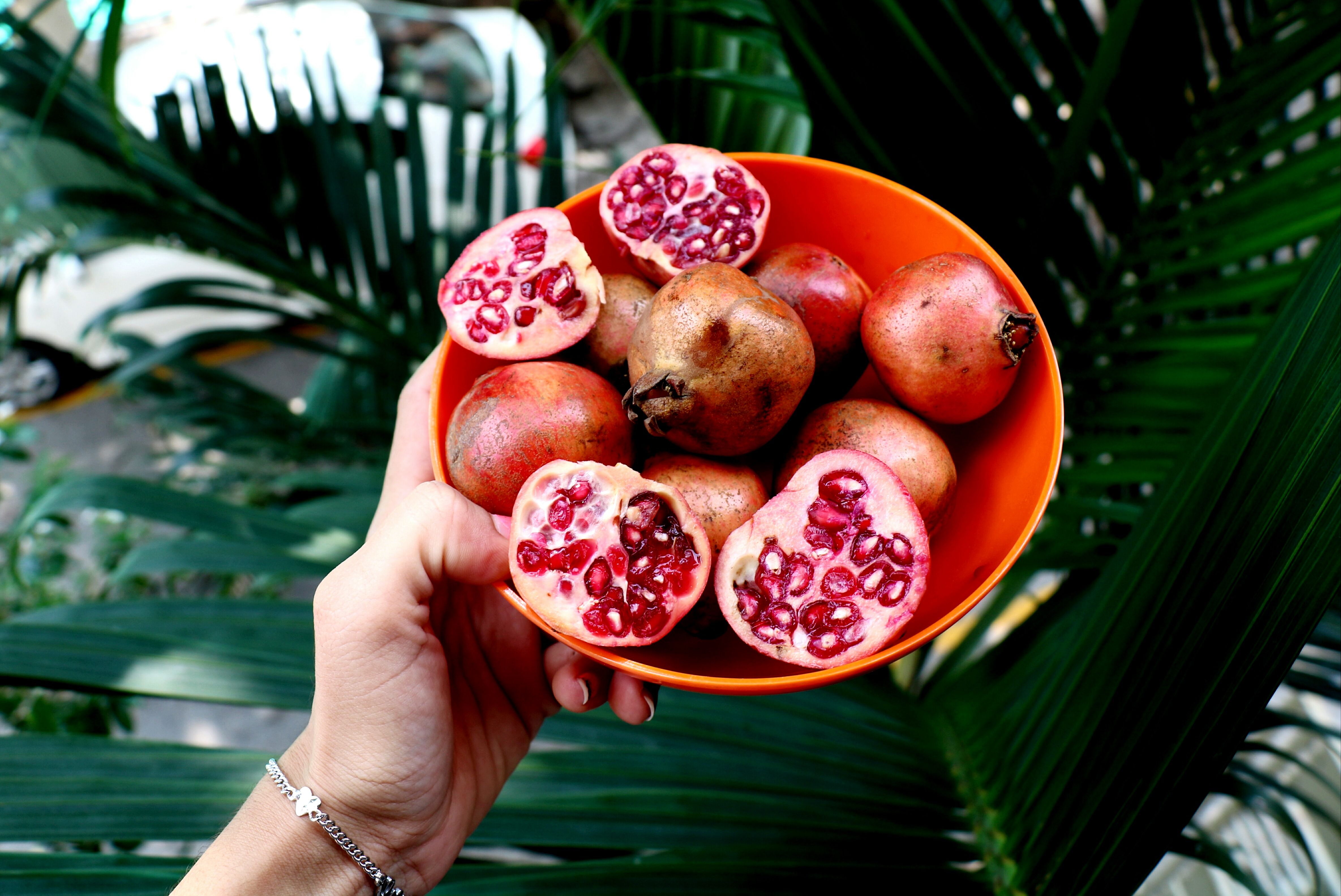

Few fruits carry the weight of an entire civilization. In Persian culture, the pomegranate is an inherited symbol. Its crimson seeds appear in ancient poetry, on palace walls, in family recipes passed down without measurement, and at the center of seasonal rituals that have outlasted empires. For Iranian communities living in the United States today, the Persian pomegranate remains one of the most recognizable and emotionally resonant symbols of home.
A Fruit Rooted in the Ancient World
Iran is widely recognized as one of the original homelands of the pomegranate. The fruit has grown wild across the Iranian plateau for thousands of years, and its cultivation dates to at least 3000 BCE. Ancient Persian gardens, precursors to what the Western world later called "paradise," from the Old Persian pairidaeza, often featured pomegranate trees alongside cypress and roses.

Welcome to United Tribes
Where Persian Culture Comes Alive
Join Your Tribe
Connect with your people
Discover Events
Watch parties & festivals
Find Persian Businesses
Restaurants, markets & more
Earn Crown Credits
Get rewarded for engaging
This deep geographic origin matters. The pomegranate grew here, was cultivated here, and became embedded in the cultural fabric of a people who would carry its meaning across continents and centuries. Iranian heritage is inseparable from this fruit, extending beyond mere food preferences or aesthetics.
What the Pomegranate Symbolizes
In Persian symbolism, the pomegranate represents fertility, abundance, and the enduring force of life. Its hundreds of seeds packed inside a single fruit made it a natural metaphor for the prosperity of a household, a lineage, or a community multiplying across generations.
The fruit also carries associations with the divine. In Zoroastrian tradition, one of Iran's oldest spiritual frameworks, the pomegranate was a sacred offering and a symbol of immortality. This religious dimension gave the fruit a gravity that extended well beyond its flavor or appearance, embedding it into the moral and spiritual vocabulary of Persian life. Understanding this layered meaning is part of what it truly means to embrace Persian roots, recognizing that everyday objects often carry centuries of intention.
The Pomegranate in Persian Poetry and Art
Persian poets understood that the pomegranate was too rich a symbol to leave unexplored. Hafez, Rumi, and Saadi each drew on natural imagery to reach toward the ineffable, and the pomegranate, with its hidden interior, its burst of color, its paradox of sweetness and tartness, lent itself perfectly to verse about love, longing, and the concealed nature of truth.
The image of pomegranate seeds was used to describe the beloved's lips, the scattered hearts of lovers, and the divine generosity. Persian poetry treated nature as a language, and the pomegranate was one of its most eloquent words.
In visual culture, pomegranate motifs appear on Persian carpets, tilework, manuscript illuminations, and embroidered textiles. The stylized form of the fruit, round body, crown-like calyx, became one of the most repeated decorative elements in Iranian artistic tradition. Today, this heritage continues in the work of Iranian-American artists and designers who carry those motifs into new contexts, as explored in this piece on pomegranate motifs in Iranian-American art and design.
Persian Pomegranate in Everyday Cooking
Beyond symbolism, the pomegranate is a working ingredient in Persian food traditions, present in the kitchen not as an occasional garnish but as a foundational flavor. Pomegranate molasses, made by reducing fresh juice into a thick, dark syrup, is one of the most important pantry staples in Iranian cooking. Its flavor is complex: tart, slightly sweet, deeply concentrated.
The dish most closely associated with this ingredient is *fesenjan*, a slow-cooked stew made with ground walnuts and pomegranate molasses, typically prepared with duck or chicken. It is one of the oldest Persian stews on record, rich and layered in a way that rewards patience. For those looking to master the deeper techniques behind dishes like this, the timeless Persian cooking tips collected on United Tribes offer an excellent starting point.
Fresh pomegranate seeds also appear scattered over rice dishes like *zereshk polo*, stirred into salads, and pressed into fresh juice — *ab-e anar* — that vendors have sold in Iranian bazaars for centuries. The fruit moves fluidly between savory and sweet, between the everyday and the ceremonial.
Pomegranates at the Seasonal Table
While pomegranates are most famously associated with Yalda Night — the winter solstice celebration where the fruit's red color symbolizes the warmth of the returning sun — their presence in Iranian culture extends across the full seasonal calendar. Autumn, when pomegranates ripen, brings fresh fruit to family tables and markets throughout Iran and Iranian-American households alike. The act of opening a pomegranate together, sharing the seeds, and saving the juice-stained hands is itself a small domestic ritual.
Iranian-American communities across cities like Los Angeles, Houston, and the Washington, D.C., area maintain these seasonal rhythms. For those who have grown up far from Iran, the smell of pomegranate molasses simmering or the sight of a split-open fruit on the counter can serve as one of the most direct emotional pathways back to family and memory. The broader story of how communities keep these traditions alive in America — including the Yalda celebration — is captured in this look at Yalda Night in Iranian-American communities.
The Pomegranate Lives On
The Persian pomegranate endures because it operates on multiple levels simultaneously — as food, as symbol, as memory, as art. It connects an ancient agricultural civilization to a living diaspora spread across the United States and beyond. When an Iranian grandmother presses pomegranates into juice or stirs molasses into a pot of *fesenjan*, she is participating in something far older than her own lifetime and passing it forward without necessarily naming it.
For Iranian-Americans navigating the space between two cultures, the pomegranate offers something rare: continuity that doesn't demand explanation. It shows up at the table, in the art on the wall, in the words of poems memorized in childhood — and it simply means what it has always meant. Iranian heritage travels in exactly this way, carried in objects and flavors that outlast borders and generations.
Head to the United Tribes community to connect with Iranian-American businesses, discover cultural content, and explore the living traditions that keep Persian identity vibrant across the U.S.
Make United Tribes Your Preferred Source
Add United Tribes on Google to get the latest stories, cultural updates, and community events directly in your Google Search and Top Stories.


