
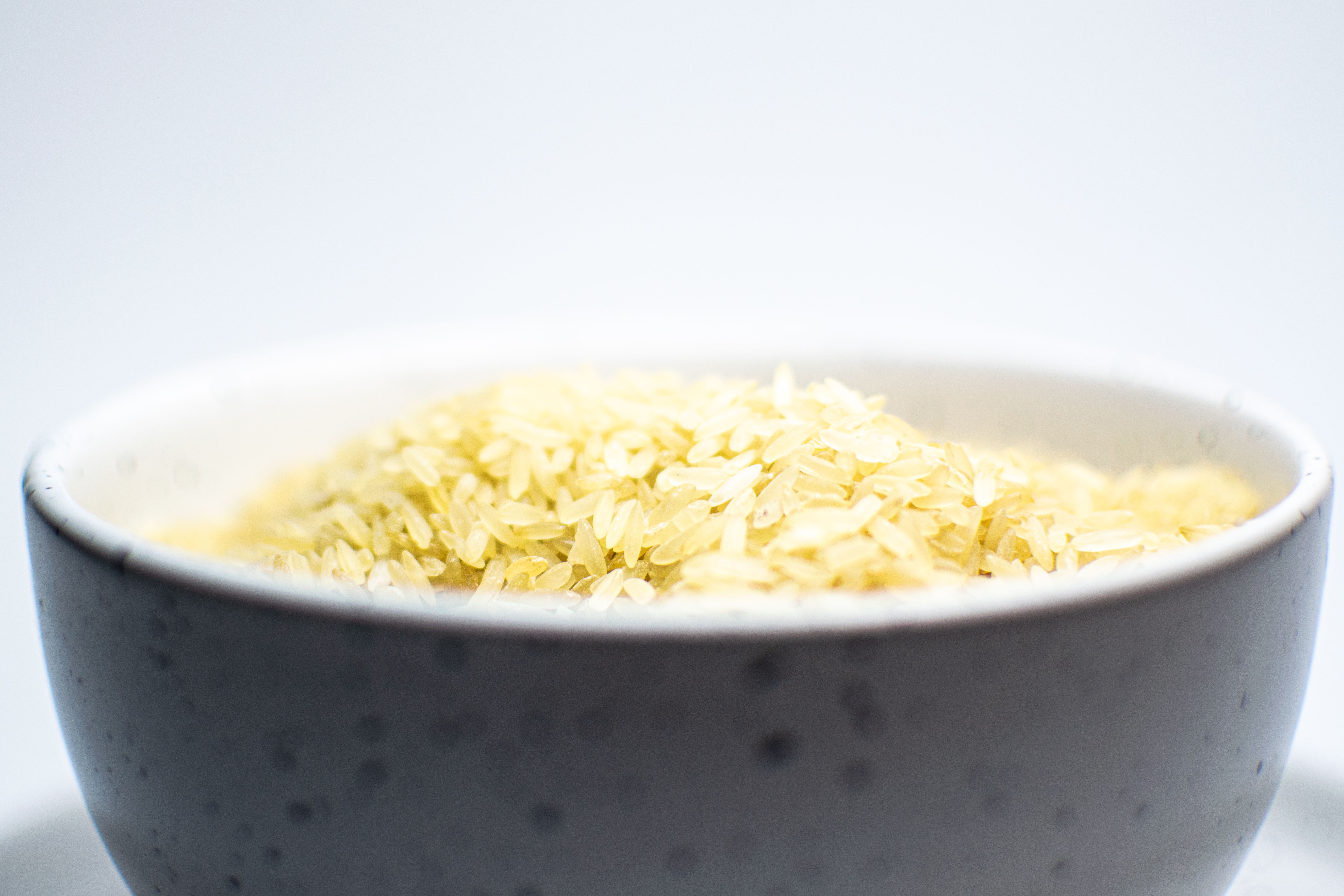

In Persian households, rice is never an afterthought. Long before a grain of Persian rice touches heat, it has already been handled, rinsed, and left to rest — treated with a deliberateness that signals something deeper than a side dish. For anyone who has watched an Iranian grandmother move around her kitchen, the message is clear: cooking rice here is a practice, not a shortcut. Understanding why begins long before the pot goes on the stove.
Why Rice Holds Such Importance in Iranian Food Traditions
Rice is a cornerstone of Persian cuisine, present at nearly every formal gathering, family dinner, and celebratory meal. While bread and legumes also feature prominently in everyday Iranian eating, rice carries a certain prestige. The quality of the rice on a table — how separate the grains are, how fragrant the steam, how light the texture — reflects the skill of the cook.

Welcome to United Tribes
Where Persian Culture Comes Alive
Join Your Tribe
Connect with your people
Discover Events
Watch parties & festivals
Find Persian Businesses
Restaurants, markets & more
Earn Crown Credits
Get rewarded for engaging
In Iran, rice cultivation has deep roots in the northern regions, particularly Gilan and Mazandaran, where the lush, humid climate along the Caspian coast produces some of the world's most prized long-grain varieties. Varieties like domsiah and tarom are celebrated for their aroma and their ability to elongate beautifully when cooked correctly. Iranian food traditions have long connected the quality of the grain to the quality of the meal itself.
The First Step: Washing Until the Water Runs Clear
The process begins with washing — and in a Persian kitchen, this is not a single rinse. Place rice in a bowl, cover with cold water, swirl gently, then drain. Repeat this three to six times, or until the water loses its cloudy, starchy appearance and becomes nearly transparent.
The reason is both practical and textural. Excess surface starch causes grains to clump together during cooking, producing a sticky, heavy result. Removing that starch through repeated washing is the foundation of achieving the signature Persian rice texture: individual grains that remain distinct and fluffy after steaming. Many cooks also believe washing improves the final flavor, producing a cleaner, more delicate taste.
Soaking: The Step That Cannot Be Skipped
After washing, the rice is submerged in salted water and left to soak—typically for at least one hour, though many families soak for several hours or even overnight. This step is one of the most distinctive markers of Iranian rice preparation and one of the first things a new cook is taught.
Soaking serves a specific structural purpose. It lets the grain absorb water gradually before it encounters heat, so the interior cooks evenly without the exterior becoming overcooked or mushy. The result is grain that expands properly, with enough structural integrity to survive the parboiling and steaming stages that follow. Salt in the soaking water begins seasoning the grain from the inside, not just coating the surface.
For those curious about how these foundational techniques connect to broader Iranian flavor-building, the essential spices of Persian food traditions offer important context for how Persian cooking layers seasoning at every stage—not just at the end.
Parboiling: Precision Over Speed
Once soaked, the rice is parboiled in a large pot of generously salted, rapidly boiling water. This stage requires attention. The cook watches the grains closely, testing them between their fingers every few minutes. The goal is a grain that softens on the outside but stays firm—almost chalky—in the center.
Timing here is everything. You can't correct overcooked rice at this stage by steaming. The window between underdone and overdone is measured in minutes, and experienced cooks develop an instinctive read on the texture that comes only with practice. Once you reach that point, drain the rice immediately and rinse it with cool water to stop the cooking process.
This careful staging — partial cooking followed by a controlled finish — is what separates Persian rice cooking from simpler absorption methods used in other culinary traditions.
The Steam Finish: Where Technique Becomes Craft
The drained, parboiled rice is then returned to the pot, prepared with oil or butter at the bottom. Cover the pot, often with a kitchen towel wrapped around the lid to absorb condensation, and place it over low heat. The rice steams gently for thirty minutes to an hour.
During this final stage, the grains finish cooking in their own retained moisture, elongating fully and separating. The result — light, aromatic, individual grains of fluffy rice — is what every step before it was building toward. Timeless Persian cooking tips for authentic flavors explore how this patience-first approach defines much of what makes Iranian cooking distinctive.
How This Knowledge Passes Between Generations
Persian rice preparation is rarely learned from a cookbook. It is absorbed through proximity — standing beside a parent or grandparent in the kitchen, watching how they test the grain, listening for when the steam sounds right. The technique is deeply embedded in regional Iranian dishes, where the way you cook the rice is inseparable from the dish itself.
For members of the Iranian diaspora in the United States, recreating this process at home becomes an act of cultural continuity. The same attention to washing, soaking, and steaming — even in a different kitchen, with different equipment — carries the tradition forward. Persian culinary traditions in the U.S. during winter reflect how deeply these practices persist across borders and seasons.
Rice Preparation as Living Tradition
Persian rice preparation is a multi-step process built on patience, sensory knowledge, and technique — washing away excess starch, soaking for even absorption, parboiling to a precise texture, and steaming to a fluffy, fragrant finish. Each stage exists for a reason, and together they produce a result that no shortcut can replicate. The care involved is not inefficiency; it is the point.
For Iranian-Americans, maintaining this process in diaspora kitchens is a meaningful form of cultural preservation. The knowledge encoded in how to test a grain of rice or judge the steam beneath a cloth-covered lid connects generations across geography and time. It reminds those who practice it where their culinary identity comes from — and keeps that identity alive in daily life.
The Iranian home cooks, restaurateurs, and food entrepreneurs carrying these traditions forward deserve to be seen — connect with the Persian community on United Tribes and explore the businesses and stories keeping this rich culinary heritage visible in America.
Make United Tribes Your Preferred Source
Add United Tribes on Google to get the latest stories, cultural updates, and community events directly in your Google Search and Top Stories.


