
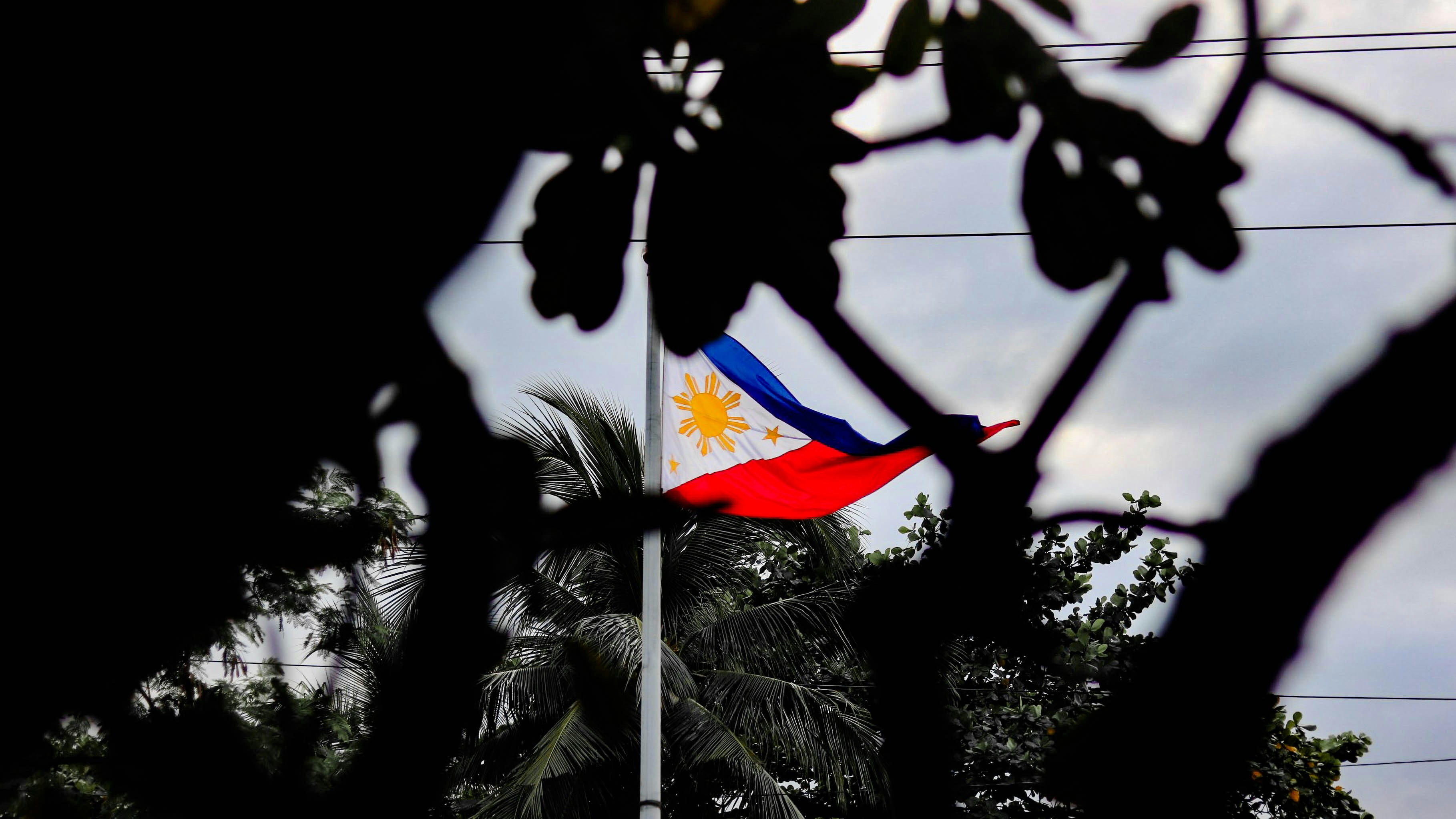

Every year on April 9, the Philippines pauses to remember one of its most painful and defining moments in history. Araw ng Kagitingan, or the Day of Valor, commemorates the fall of Bataan in 1942 and honors the Filipino and American soldiers who endured the brutal Bataan Death March. It is a day of deep national reflection and a reminder that courage does not always look like victory, and that sacrifice leaves a legacy far greater than defeat.
The Historical Roots of April 9
On April 9, 1942, Filipino and American forces surrendered to Japanese troops on the Bataan Peninsula, the largest military surrender in American history and a catastrophic blow to the Filipino people. What followed was the Bataan Death March, a forced 65-mile trek that claimed the lives of thousands of soldiers through starvation, dehydration, and violence.

Welcome to United Tribes
Where Filipino Culture Comes Alive
Join Your Tribe
Connect with your people
Discover Events
Watch parties & festivals
Find Filipino Businesses
Restaurants, markets & more
Earn Crown Credits
Get rewarded for engaging
Araw ng Kagitingan was established as a national holiday to ensure these lives would never be forgotten. The date, April 9, carries the full weight of wartime loss and the extraordinary will of those who endured. Understanding this history is central to understanding how Filipinos approach remembrance as an active cultural duty rather than merely as commemoration of those who sacrificed their lives for valor.
How Schools Mark the Day of Valor
Education plays a defining role in keeping Filipino remembrance traditions alive. Across the Philippines, schools hold formal commemorative programs on or before April 9. These often include:
- Flag ceremonies with a moment of silence
- Recitation of historical accounts of the Bataan Death March
- Readings of poems and essays written by students reflecting on sacrifice
- Presentations by history teachers on World War II in the Philippines
- Art exhibits featuring student-created work honoring veterans
For many young Filipinos, these school programs mark the first real encounter with wartime history. The goal is not only academic but emotional — to build a generation that understands what was endured so they could live freely. This kind of culturally embedded education mirrors what has been explored in discussions of how Philippine education shapes Filipinos' values and identity, even for those who carry that education with them into new countries.
Family and Community Observances
Beyond school walls, Araw ng Kagitingan 2026 will see families and local communities gather in their own ways. In provinces closest to the historic battlefields — particularly in Pampanga and Bataan — community members visit war memorials and lay flowers at monuments honoring fallen soldiers.
Filipino remembrance traditions at the family level often include:
- Visiting the ancestral graves of relatives who served
- Sharing oral histories passed down from grandparents who lived through the war
- Watching historical documentaries or films about the Bataan campaign
- Attending Mass dedicated to the souls of war victims
These intimate observances reflect the Filipino value of paggunita — the act of remembering with intention, a deliberate connection across generations.
Public Ceremonies and Government Observances
The Philippine government marks Araw ng Kagitingan with official state ceremonies. The most prominent is held at the Mount Samat National Shrine in Bataan, where the iconic Dambana ng Kagitingan (Shrine of Valor) stands. Thousands gather there each year for a solemn program attended by military officials, government leaders, veterans' groups, and ordinary citizens.
Key elements of the public ceremony typically include:
-
A wreath-laying ceremony at the base of the Mount Samat cross
-
A military parade honoring active service members and veterans
-
A keynote address from a government official or military commander
-
A 21-gun salute in honor of those who fell
-
Cultural performances reflecting themes of heroism and national identity
Filipino-Americans and the Day of Valor Abroad
For the Filipino diaspora in the United States, Araw ng Kagitingan takes on additional layers of meaning. Far from the shrines and battlefields, Filipino-Americans find ways to honor the day through community gatherings, social media tributes, and cultural center events.
Organizations in cities such as Los Angeles, Chicago, and New York host commemorative programs that blend historical education with cultural pride. These spaces become critical anchors for identity — especially for second-generation Filipinos who may not have witnessed Philippine commemorations firsthand. The spirit of resilience that defines Filipino-American community responses to hardship is deeply connected to the lessons embedded in days like Araw ng Kagitingan.
Keeping traditions meaningful across borders is something many Filipino-Americans actively work toward. From adapting Filipino celebrations to American contexts to maintaining cultural heritage through Filipino festivals across the U.S., the community continues to find creative, community-driven ways to stay rooted.
Why Remembrance Matters Today
Araw ng Kagitingan 2026 arrives at a time when the generation that lived through World War II is nearly gone. The urgency of remembrance grows each year. Historians and community leaders emphasize that the Day of Valor Philippines must evolve beyond a single day of ceremony into a sustained culture of honoring history.
This means integrating wartime stories into everyday conversation, supporting heritage museums, digitizing veterans' testimonies, and encouraging younger Filipinos — both at home and abroad — to seek out these stories before they disappear. Remembrance is an act of courage in itself.
Honoring Valor, Keeping Memory Alive
Araw ng Kagitingan is a promise made by the living to those who sacrificed that their stories will not fade into silence. Through school programs, family traditions, public ceremonies, and diaspora observances, Filipinos around the world demonstrate that this national holiday remains a date worth pausing to reflect on and passing on to the next generation.
Whether you are in Manila or Los Angeles, the act of remembering connects you to something larger than geography. The values of courage, sacrifice, and collective resilience that define Araw ng Kagitingan are the same values that continue to shape Filipino identity at home and abroad.
Visit United Tribes today to learn more about Filipino culture and community — from heritage stories and festival guides to the businesses and voices that keep cultural identity strong across generations.


