


When the World Cup Came Home for Colombians in America
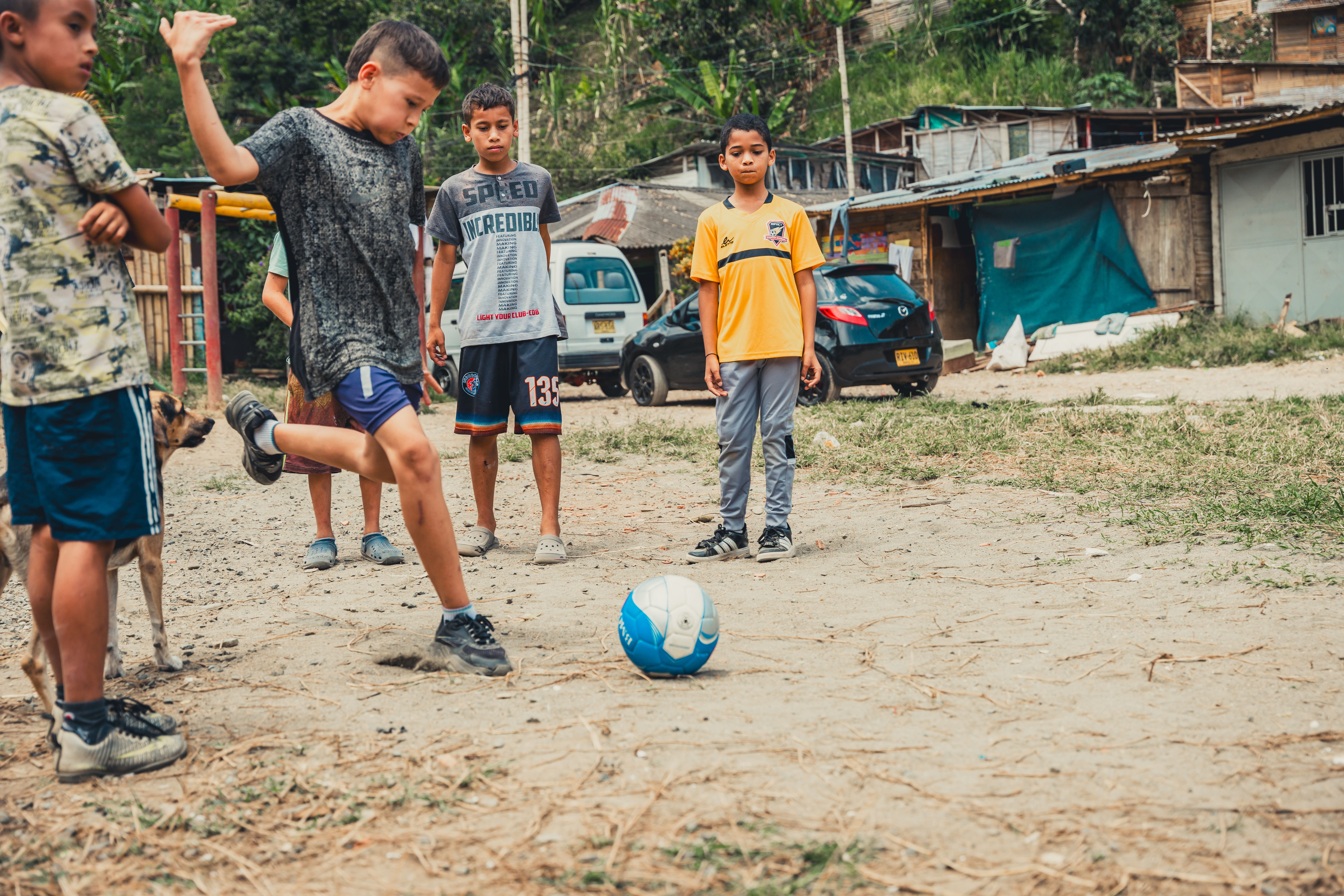
When FIFA 2026 kicked off at stadiums across North America, something powerful happened in cities far from the pitch. Colombian communities across the United States transformed their neighborhoods into vibrant expressions of national pride. From Jackson Heights in New York to Little Colombia in Miami, the FIFA World Cup 2026 became a cultural homecoming. For Colombians living abroad, the World Cup is one of those rare moments when identity, memory, and belonging converge into pure, collective joy.
Streets, Screens, and Yellow Jerseys
The energy was impossible to miss. Weeks before Colombia's opening match, Colombian fans were already flying their tricolor flags from apartment windows, decorating storefronts, and organizing neighborhood watch parties. Restaurants extended their hours, breweries tapped into Colombian beer imports, and community centers opened their doors for free public screenings.
In Los Angeles, the Pico-Union corridor buzzed with pregame energy as families set up folding chairs on sidewalks and vendors sold arepas and empanadas to long lines of fans in yellow jerseys. In Chicago's Pilsen neighborhood, Colombian-owned restaurants reported record foot traffic during match days, with some welcoming hundreds of guests per game. The scenes repeated themselves in Houston, Atlanta, and New Jersey, anywhere a Colombian community had taken root in American soil.
Colombian Restaurants as Cultural Gathering Spaces
Few institutions carried more weight during the tournament than Colombian restaurants. Dishes like bandeja paisa, sancocho, and patacones were shared across tables packed with strangers who became friends through the shared tension of a penalty kick.
The culinary fusion and the Latin American food scene put Colombian cuisine in the spotlight during the tournament. Restaurant owners across the country reported not just increased sales but a deeper sense of purpose: feeding their community during a moment of collective pride felt like an act of cultural preservation.
Many establishments created FIFA 2026-themed menus, pairing traditional Colombian dishes with cocktails featuring aguardiente and lulada. It was cuisine as celebration, and it drew in not just Colombians but curious neighbors eager to experience the culture firsthand.
Music and Dance: The Heartbeat of Every Watch Party
No Colombian celebration is complete without music, and FIFA 2026 watch parties were no exception. Cumbia, vallenato, and of course salsa filled the air between matches, turning sidewalks and parking lots into impromptu dance floors. DJs set up outside restaurants, and live musicians performed during halftime, keeping the energy electric whether Colombia won or drew.
The vibrant Latin dance culture that has long thrived in U.S. cities found a particularly charged expression during the tournament. After a dramatic victory, Colombian neighborhoods erupted into dancing that lasted well past midnight.
Family Watch Parties and the Generational Bond of Soccer
One of the most meaningful aspects of Colombian community celebrations during FIFA 2026 was the intergenerational connections they fostered. Grandparents who remembered watching Colombia's historic 1994 World Cup campaign sat beside grandchildren who had grown up entirely in the United States. Soccer became the shared language.
Parents used match days as teaching moments: explaining Colombian players' origins, the history of the national team, and what the yellow jersey represents to millions back home. For second-generation Colombian Americans who sometimes navigate the tension between two identities, watching their parents' faces light up when Colombia scored was deeply grounding.
These family gatherings also reinforced the role soccer plays in Colombian community celebrations abroad as a means of transmitting memory, culture, and collective belonging from one generation to the next.
Colombian Artists and Performers in the Spotlight
FIFA 2026 also gave Colombian artists and performers a broader platform. Community organizations hosted cultural showcases alongside tournament screenings, featuring Colombian folk dance troupes, traditional music ensembles, and visual artists whose work celebrated the national team. These events illustrated how immigrant communities shape American cultural life through consistent, vibrant contributions.
Colombian musicians who had built careers in the U.S. performed at public events tied to the tournament, blending contemporary sounds with traditional Colombian rhythms. Their work reminded audiences that World Cup culture for Colombians is inseparable from broader artistic and creative expression.
Colombian Pride Lives Beyond the Final Whistle
The 2026 FIFA World Cup for Colombian communities was a declaration of presence, culture, and belonging. From restaurant tables to dance floors to family living rooms, Colombians showed that their heritage travels with them and deepens with every generation born on U.S. soil. The yellow jersey became a symbol of national pride and a diaspora community that refuses to let distance dim its identity.
World Cup culture among Colombians in America is sustained by the businesses, artists, families, and community spaces that keep traditions alive year-round, not just every four years. The celebrations of 2026 will be remembered not only for the goals scored but for the connections made and renewed.
Visit United Tribes today to learn more about Colombian culture and community — discover the businesses, events, and stories that keep this vibrant heritage alive across the United States.


