

Hispanic Heritage Month, observed September 15 through October 15, celebrates the extraordinary depth of Latino culture—its music, food, history, and identity. Clothing is among the most expressive forms of that identity. Latin American traditional clothing is not a single, unified aesthetic but a mosaic of regional traditions shaped by Indigenous roots, colonial history, climate, and craft. Each garment carries meaning far beyond fabric and thread. This month, we explore five iconic pieces—their origins, construction, and cultural weight—because understanding where these clothes come from means understanding the communities that made them.
The Guayabera: A Shirt With Deep Roots
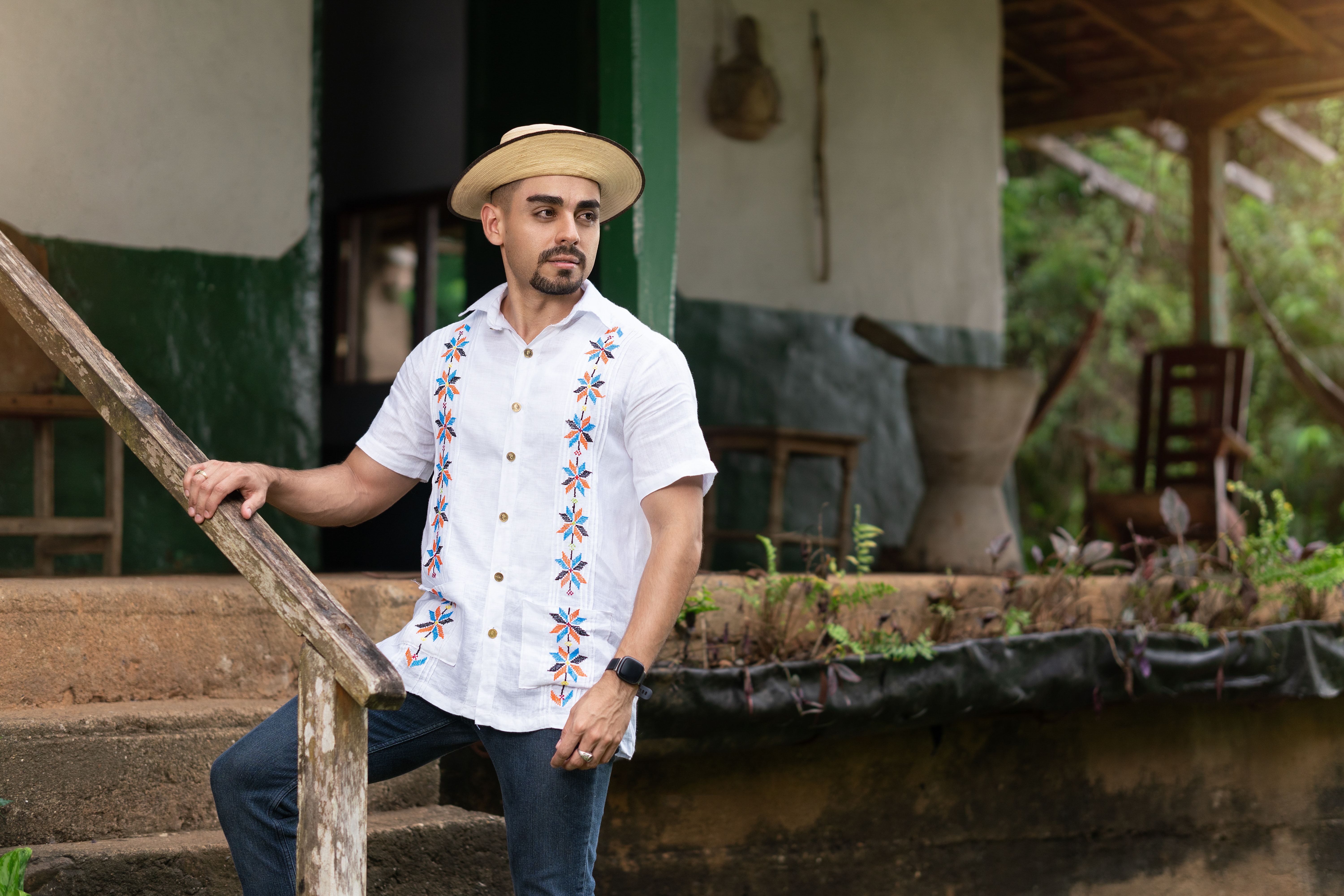
Few garments are as instantly recognizable across Latino culture as the guayabera. This tailored shirt, distinguished by its vertical pleats, embroidered front panels, and four pockets, is worn from Cuba to Mexico to Colombia. Its exact origin is debated — Cuba and the Yucatán Peninsula both claim it — but most historians trace it to 18th-century Cuba, where it was designed as a practical, breathable shirt for working in hot, humid conditions.

Welcome to United Tribes
Where Mexican Culture Comes Alive
Join Your Tribe
Connect with your people
Discover Events
Watch parties & festivals
Find Mexican Businesses
Restaurants, markets & more
Earn Crown Credits
Get rewarded for engaging
The guayabera evolved into a garment of distinction. In Cuba, it became formal attire. In Mexico's Yucatán, politicians and professionals wear it as standard dress. Across the Caribbean and Central America, it bridges the gap between casual and ceremonial. Today, guayabera shirts appear at weddings, quinceañeras, and diplomatic events. Made from linen, cotton, or silk, the shirt's four pockets traditionally held guavas—a folk origin story that gave it its name, though scholars debate it, too.
The Mexican Rebozo: Woven With Purpose
The rebozo is one of Mexico's most enduring cultural symbols. A long rectangular shawl typically woven from cotton, silk, or a blend of both, it has been worn by Mexican women for centuries — used to carry babies, shield from the sun, and express regional identity. Its design varies dramatically by town: rebozos from Santa María del Río in San Luis Potosí are considered among the finest in Mexico, woven with such delicate craftsmanship that artisans pass the textile through a ring to test its quality.
The rebozo holds political and spiritual weight. Frida Kahlo made it iconic in her self-portraits. During Mexico's independence movement, it was associated with mestiza identity. Today, Mexican-American women wear rebozos to connect to their heritage, at cultural events, in art, and as everyday fashion elevated by memory. Just as menudo connects Mexican-Americans to home through flavor and tradition, the rebozo connects generations through touch and craft.
The Andean Poncho: A Living Textile Tradition
The poncho is perhaps the most widely adapted garment in Latin American history, yet its origins are firmly rooted in the Andean highlands of South America — present-day Peru, Bolivia, Chile, Argentina, and Ecuador. Indigenous communities in these regions developed the poncho as a functional outer garment made from alpaca or llama wool, designed to insulate against the harsh mountain climate.
Andean ponchos are remarkable for their regionalism. Each community developed distinct color combinations and geometric patterns — called tocapus in Incan weaving tradition — that signaled social status, community affiliation, and ceremonial role. A poncho from Ecuador's Otavalo region looks different from one made in Peru's Cusco region or the Chilean altiplano. The Andean communities that maintain this textile tradition today preserve an information system that predates European contact. Just as Latin American superfoods like quinoa and amaranth carry centuries of Andean agricultural wisdom, Andean textiles carry centuries of cultural identity.
The Colombian Sombrero Vueltiao: A Hat That Became a Symbol
Colombia's sombrero vueltiao is one of the most recognizable objects in Colombian culture and an official national symbol since 2004. Handwoven from cañaflecha—a native plant from Colombia's Caribbean coast—by the Zenú Indigenous community, the sombrero is distinguished by its black-and-white geometric designs and tight, coiled weave.
Making a single sombrero vueltiao can take weeks. Artisans harvest, dry, and split cañaflecha stalks into thin strips before braiding and coiling them into shape. The more "vueltas" or rows a hat has, the finer and more prestigious it is considered. A 21-vuelta hat represents master craftsmanship and takes up to three months to complete. Colombia's diaspora communities in the U.S. wear this hat as a symbol of pride, particularly during cultural festivals, and it has become a touchstone for Colombian-American identity.
Why Regional Distinctions Matter
It's easy to treat Hispanic clothing traditions as interchangeable across countries. They are not. A rebozo is specifically Mexican. A sombrero vueltiao belongs to Colombia's Zenú people. Wearing or representing these garments without acknowledging their origins flattens the very communities that created them.
During Hispanic Heritage Month, regional specificity is an act of respect. Recognizing that salsa culture thriving in the U.S. carries Puerto Rican and Cuban roots — just as each garment carries specific geographic and Indigenous histories — honors the full complexity of Latino identity. The guayabera is not the poncho. The rebozo is not the sombrero vueltiao. And that difference matters enormously to the people who weave, sew, and wear them.
Threads That Tell the Story
From the pleated elegance of the guayabera to the intricate coils of the sombrero vueltiao, Latin American traditional clothing is a living archive of history, identity, and artistry. Fashion houses didn't design these garments— Indigenous communities, artisans, and everyday people developed them over generations, shaped by climate, culture, and meaning. Understanding them is understanding the depth behind the communities that wear them proudly today, from their home countries to cities across the United States.
Hispanic Heritage Month runs through October 15, offering an opportunity to go beyond surface-level celebration. When you recognize a rebozo at a cultural event or spot a guayabera at a family gathering, you see centuries of craft and resistance wearing themselves into the present. That recognition — specific, informed, and respectful — is exactly what these traditions deserve.
Connecting with the makers, wearers, and storytellers behind these traditions enriches what Hispanic Heritage Month can mean for your community—explore the Latino businesses, artisans, and cultural voices gathered at United Tribes to go deeper into the heritage behind the garments.
Make United Tribes Your Preferred Source
Add United Tribes on Google to get the latest stories, cultural updates, and community events directly in your Google Search and Top Stories.