
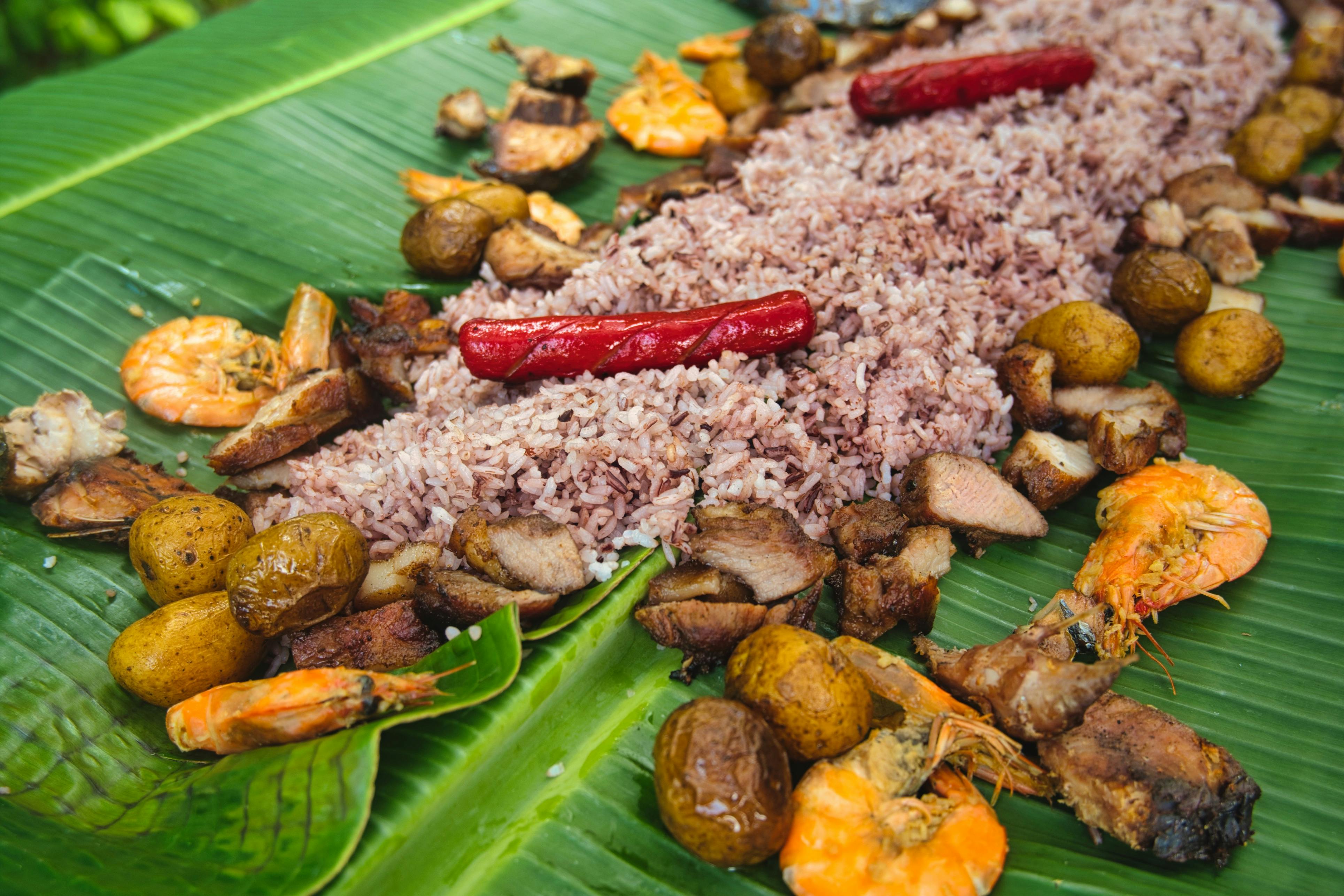

There is something unmistakable about walking into a Filipino gathering in America. The long folding tables are already overflowing before the party officially starts. Laughter fills every corner, children dart between adults, and the unmistakable aroma of adobo, pancit, and lechon mingles in the air. Filipino gatherings in the U.S. are a living, breathing blend of tradition and adaptation — a fiesta reimagined for a new land without losing its soul.
The Roots of Filipino Celebration Culture
Back in the Philippines, fiestas are community-wide events rooted in Catholic traditions, local patron saints, and generations of shared memory. Entire barangays participate, neighbors open their homes, and food is prepared days in advance. The gathering itself is the celebration and not just the occasion that prompted it.

Welcome to United Tribes
Where Filipino Culture Comes Alive
Join Your Tribe
Connect with your people
Discover Events
Watch parties & festivals
Find Filipino Businesses
Restaurants, markets & more
Earn Crown Credits
Get rewarded for engaging
When Filipino families began immigrating to the United States in larger waves throughout the 20th century, they carried this communal spirit with them. The format changed, but the intention never did. Every birthday, baptism, graduation, or holiday became an opportunity to recreate that same sense of abundance and belonging. As explored in Bringing the Fiesta to the U.S.: Adapting Filipino Celebrations in America, the transformation of these celebrations reflects both resilience and creativity.
Why the Potluck Became a Filipino-American Staple
In the Philippines, one host household typically bears the full weight of feeding everyone. In America, practical realities — smaller homes, busier schedules, tighter budgets — made that model harder to sustain. The potluck format emerged as a natural solution, but it became something far richer than a logistical workaround.
Filipino potluck culture transformed into an act of collective identity. Each dish someone brings tells a story. The tita who always brings her signature leche flan. The uncle who insists on cooking his regional version of kare-kare. The second-generation Filipino-American who shows up with lumpia and a side of nervousness, hoping it tastes like lola's. Every container carried through the door is a piece of home.
This model also democratizes the celebration. No single family is overwhelmed, and everyone has ownership of the gathering. The potluck becomes the fiesta — collaborative, abundant, and deeply personal.
Food as Cultural Memory
Food remains the most powerful anchor in Filipino community events across the U.S. Whether it's a small apartment gathering in Chicago or a backyard party in California, the dishes served are deliberate choices rooted in memory and identity.
The classics always appear:
- Adobo — the iconic soy-vinegar dish that travels well and tastes even better the next day
- Pancit — long noodles symbolizing long life, always present at birthdays
- Lechon — often ordered from a Filipino catering service when the whole pig isn't feasible
- Bibingka and puto bumbong — especially during the Christmas season
- Halo-halo — a beloved dessert that sparks debate over whose version is most authentic
These dishes are conversation starters, memory triggers, and cultural declarations. Filipino comfort food that reminds us of home in the U.S. captures exactly why these flavors carry such emotional weight for the diaspora.
The Role of Bayanihan in Every Gathering
No discussion of Filipino party traditions is complete without acknowledging *bayanihan* — the deeply held value of communal unity and mutual help. At Filipino gatherings in the U.S., bayanihan isn't an abstract concept. It shows up in practical, tangible ways.
Someone always arrives early to help set up. Others stay late to clean. Dishes are shared freely, often pressed into guests' hands as they leave. The host insists you take extra food home. These gestures are instinctive expressions of a culture that measures generosity not by what you keep but by what you give.
The values of bayanihan and pakikisama in Filipino-American communities continue to define how Filipinos gather, celebrate, and support each other — even thousands of miles from home.
How Filipino Gatherings Are Evolving Today
Younger generations of Filipino-Americans are adding new dimensions to these traditions without abandoning them. Community cookouts now sometimes feature fusion dishes alongside classics. Social media has turned potluck spreads into celebrated visual moments. Filipino-owned catering businesses have grown to meet demand for authentic food at larger events.
Filipino community events have also expanded beyond private homes. Cultural organizations host public celebrations, festivals, and heritage events that bring together Filipinos and curious newcomers alike. These events function as the modern equivalent of the hometown fiesta — big, inclusive, and grounded in pride. Explore the vibrant landscape of Filipino festivals in the U.S. to see how wide and joyful that world has become.
The gathering has always been the point. The potluck format made it more sustainable, more shared, and in many ways, more Filipino than ever.
The Fiesta Lives On Together
From backyard potlucks to large cultural festivals, Filipino gatherings in the U.S. have found a way to honor their roots while adapting beautifully to a new environment. The food, the values, and the warmth remain constant — only the setting has changed. Each gathering is both a celebration of the present and a tribute to everything that came before.
For Filipino-Americans navigating identity, community, and belonging, these traditions are more than nostalgic rituals. They are acts of cultural preservation, joyful resistance, and collective pride. As shown through the spirit of resilience in Filipino-American communities, the capacity to adapt without losing identity is one of the community's greatest strengths.
Visit United Tribes today and find out more about Filipino culture and community — discover local businesses, events, and stories that celebrate everything it means to gather, share, and belong.


