
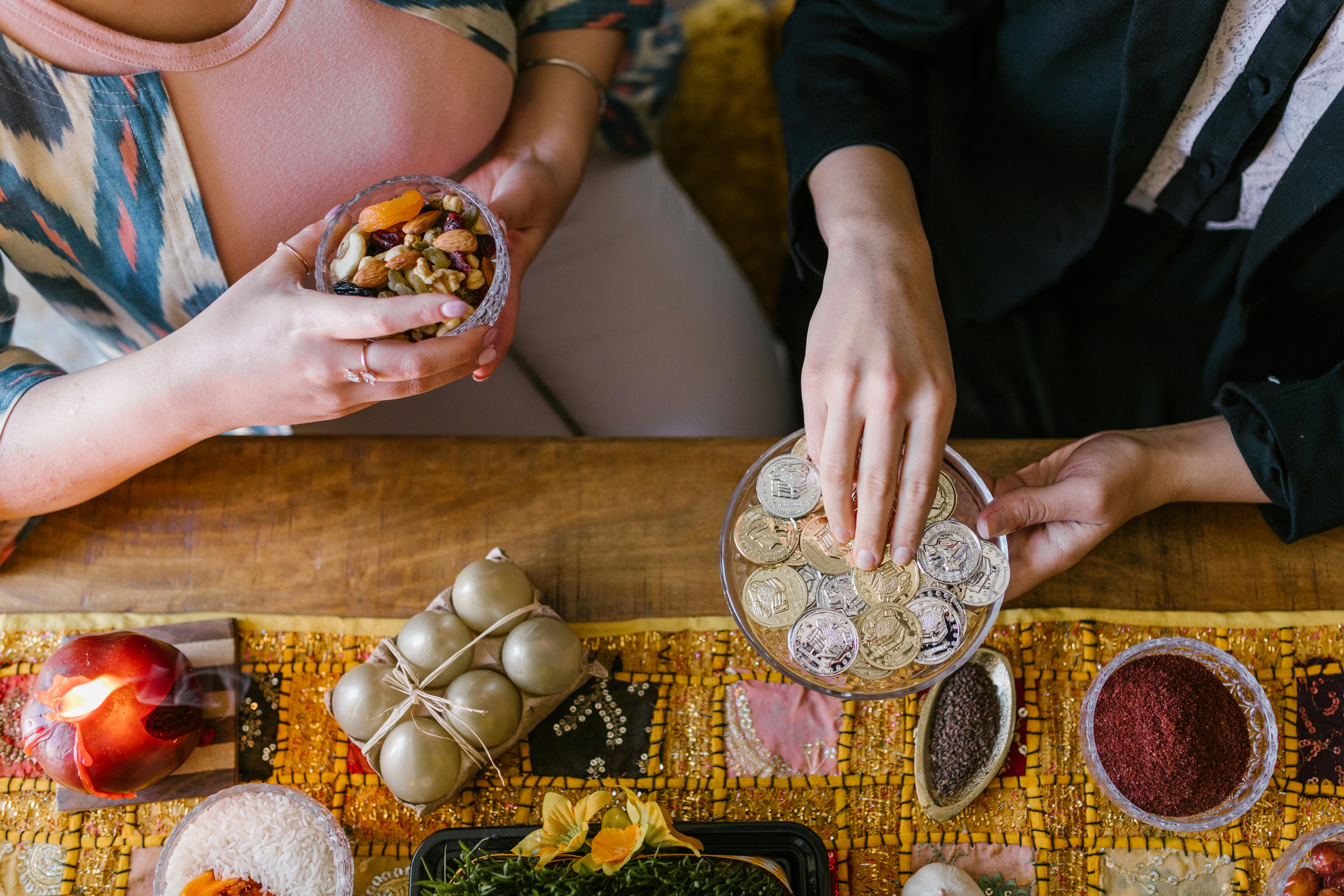

The Philosophy Behind Persian Hosting
There is a moment in every Persian gathering when the room settles into laughter, tea is passed without being asked for, and the table seems to overflow without effort. That effortlessness is an illusion. Behind every successful Persian gathering are hours of intentional preparation, layered cultural expectation, and a host who treats hospitality as both a personal duty and a creative expression.

Welcome to United Tribes
Where Persian Culture Comes Alive
Join Your Tribe
Connect with your people
Discover Events
Watch parties & festivals
Find Persian Businesses
Restaurants, markets & more
Earn Crown Credits
Get rewarded for engaging
Iranian hospitality culture is not about impressing guests with wealth. It is about making every person feel that their presence genuinely matters. That distinction shapes everything from the way a table is arranged to the words spoken at the door.
The Art of Preparation Before Guests Arrive
Persian hosts begin their work long before anyone rings the doorbell. Preparation is considered an act of respect, and cutting corners is quietly noticed, even if never mentioned aloud.
A thoughtful host will typically:
- Deep clean and arrange every visible room, not just the dining space
- Select fresh flowers, often tuberose or jasmine, for fragrance and visual elegance
- Plan a menu that balances flavors, textures, and dietary needs of specific guests
- Set the table with matching dishware, polished serving utensils, and intentional centerpieces
- Prepare at least one dish the day before to avoid last-minute stress
Food is central to Persian gathering etiquette, and the spread itself communicates care. A host who serves only one or two dishes may be perceived as indifferent. Abundance, even when modest, signals generosity. This is why Persian tables often hold more food than can be finished, and guests are expected to appreciate the gesture rather than question it.
Taarof: The Invisible Framework of Every Interaction
No discussion of Persian hosting traditions is complete without addressing taarof, the social code that governs offering, refusing, and accepting. Understanding taarof and its role in hospitality etiquette is essential to understanding why Persian gatherings feel so layered.
A host will insist you eat more, take more, and stay longer. A guest will initially refuse out of politeness. The host insists again, while the guest may then accept. Both parties understand the rhythm, and performing it correctly signals mutual respect.
For guests unfamiliar with Iranian social norms, taarof can feel confusing. The key is to read sincerity behind the words. A host who offers to carry your coat three times genuinely means it on the third.
Food as Cultural Expression
The dishes served at a Persian gathering are never arbitrary. They are chosen to reflect the season, the occasion, the guest of honor, and the host's regional heritage. A table might feature ghormeh sabzi alongside jeweled rice, saffron-infused stews beside fresh herb platters known as sabzi khordan.
Persian cooking tips emphasize slow cooking, layered spicing, and patience. The result is food that tastes intentional because it is. Understanding authentic Persian flavors and techniques helps explain why guests often describe Iranian home cooking as unlike anything in a restaurant.
One dish carries particular symbolic weight: tahdig, the crispy rice crust that forms at the bottom of the pot. A perfectly golden tahdig is a mark of skill, and serving it well is a quiet source of pride for any Persian host.
The Role of Aesthetics in Setting the Scene
Persian homes used to receive guests in the formal sitting room, kept pristine and fragrant at all times. While modern Iranian-American households have adapted this tradition, the instinct to curate a beautiful space for guests remains strong.
Aesthetic choices at a Persian gathering often include:
- Layered textiles such as embroidered tablecloths and decorative cushions
- Candles or ambient lighting to create warmth without harshness
- Arrangements of seasonal fruits are displayed as decoration before they are eaten
- Fine glassware reserved specifically for guests
These details are not performative. They are expressions of love made visible.
Tea as a Ritual of Connection
Once guests are seated and the meal has settled, tea arrives. In Iranian hospitality culture, tea is not a beverage; it is a signal that the gathering is entering its most intimate phase. Conversations deepen, stories emerge, and the evening extends naturally.
Persian tea culture centers on strong black tea served in clear glass cups, accompanied by sugar cubes held between the teeth while sipping. Hosts refill cups without asking. Letting a guest's cup sit empty is an oversight that signals inattention.
Sweets served alongside tea, including baklava, rice cookies, or nougat, are chosen to complement the tea's bitterness and extend the pleasure of the moment.
Seasonal and Ceremonial Gatherings
Persian hosting traditions intensify around cultural celebrations. Shab-e Yalda, the winter solstice gathering, is perhaps the most intimate of these. Families stay together through the longest night, reading poetry, sharing pomegranates, and honoring the return of light. Understanding the meaning and traditions of Shab-e Yalda reveals how deeply hospitality is tied to Iranian identity and seasonal rhythm.
During Nowruz, the Persian New Year, households open their doors to extended family and neighbors in waves of visits. Each visit requires fresh tea, sweets, and warm words. Hosts repeat this performance multiple times across two weeks, each time with the same care as the first.
Where Tradition and Warmth Meet
Persian hosting is a living expression of values passed from generation to generation, values that place human connection above convenience and beauty above speed. The elegance of a Persian table and the warmth of an Iranian welcome are two sides of the same intention: to make every guest feel genuinely seen and cared for.
For Iranian-Americans navigating the balance between cultural heritage and modern life, these traditions are both anchor and identity. Whether hosting a small family dinner or a full Nowruz celebration, the instincts of Iranian hospitality culture guide the hands that cook, arrange, and serve.
Visit United Tribes today to learn more about Persian culture and community, from business insights to cultural stories that keep these beautiful traditions alive and visible.
Make United Tribes Your Preferred Source
Add United Tribes on Google to get the latest stories, cultural updates, and community events directly in your Google Search and Top Stories.