
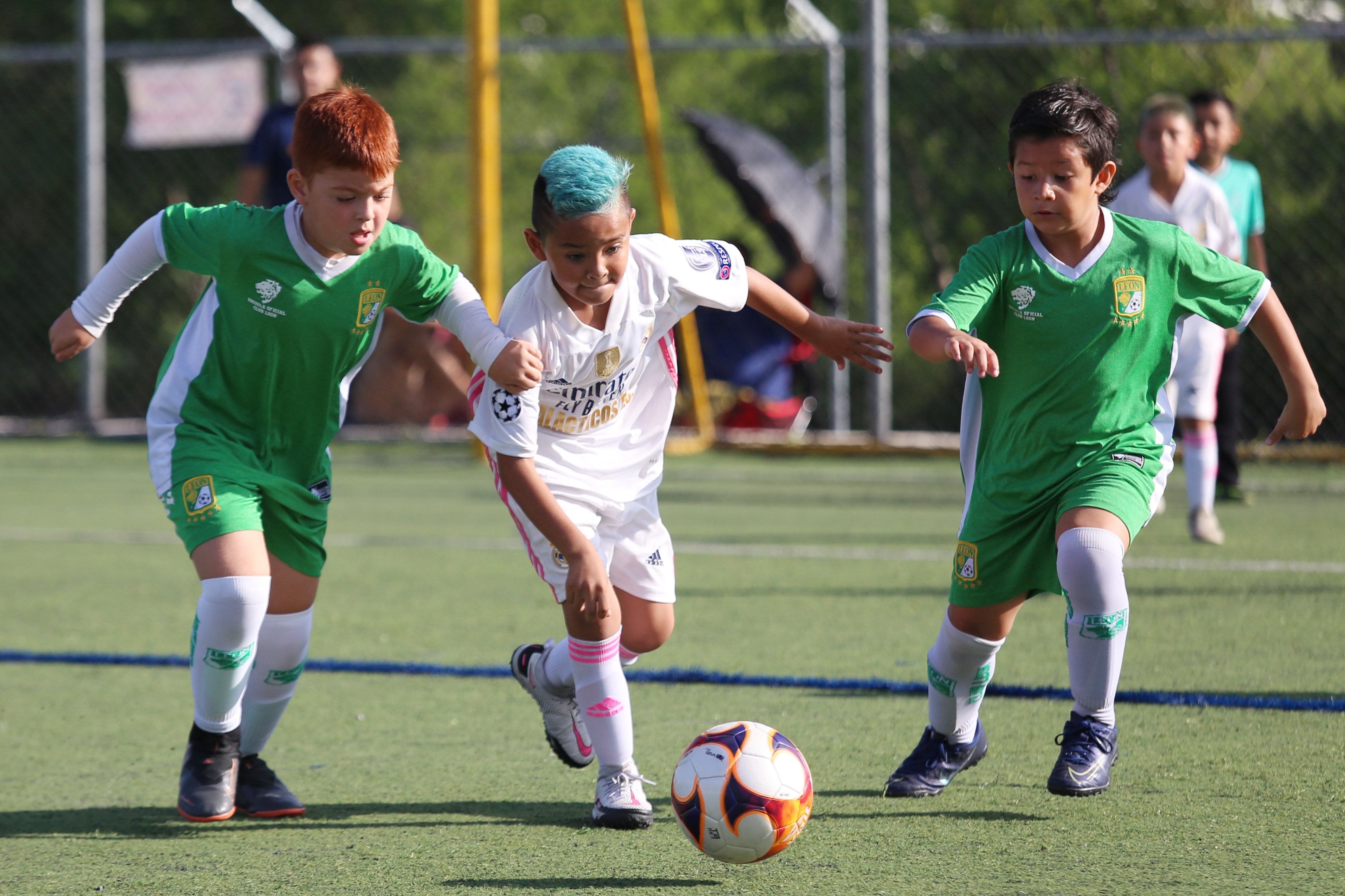

When the World Watched, Mexican Identity Led the Conversation
There's something that happens when El Tri takes the field at a World Cup hosted on American soil. Stadiums flood with green. Chants echo in Spanish. Mexican flags outnumber those of nearly every other nation in the stands. FIFA 2026, co-hosted across the United States, Canada, and Mexico, turned that familiar surge of energy into something far more consequential: a prolonged, continent-wide conversation about what Mexican culture actually looks like in America, and who gets to define it.
For Mexican Americans, this tournament wasn't just a sporting event. It was a mirror held up to decades of diaspora experience, and the reflection was more complex, more beautiful, and more contested than any single goal celebration could capture.

Welcome to United Tribes
Where Mexican Culture Comes Alive
Join Your Tribe
Connect with your people
Discover Events
Watch parties & festivals
Find Mexican Businesses
Restaurants, markets & more
Earn Crown Credits
Get rewarded for engaging
Beyond the Jersey: Supporter Culture as Cultural Expression
The visual language of Mexican World Cup support has always been rich. The Sombreros, Aztec-inspired face paint, handmade banners, and regional team flags from Jalisco to Oaxaca are deliberate statements of identity from a community that has long navigated the tension between assimilation and cultural pride in the United States.
During FIFA 2026, that visual expression exploded across American media in ways it never had before. Games played in Los Angeles, Dallas, and New York City brought Mexican American supporters into stadiums in their own backyards, and the coverage followed. Mainstream sports networks and social media platforms alike broadcast El Tri's cultural impact not just as a footnote to match results, but as a story in its own right.
What made this moment distinct was the nuance that some journalists and commentators began to apply. There was growing pushback, including from within the community, against flattening Mexican identity into costume. The difference between a grandfather wearing his state's colors with personal history stitched into every thread and a novelty sombrero purchased at a stadium kiosk is not trivial. FIFA 2026 brought that distinction into sharper public focus.
El Tri, National Symbolism, and the Diaspora's Emotional Stakes
Mexico's cultural influence during FIFA 2026 ran deeper than aesthetics. For many Mexican Americans, especially second- and third-generation families, El Tri represents a thread of continuity with a homeland that exists partly in memory. Supporting Mexico at a World Cup played on U.S. soil carried layered meaning: it was an act of cultural loyalty, a rejection of erasure, and a public declaration of belonging that transcended citizenship status.
National symbols like the eagle, the serpent, and the colors of the Mexican flag became omnipresent in host cities throughout the tournament. Murals appeared. Restaurant windows filled with papel picado. The tournament served as an amplifier for cultural expression that had always been present; it simply hadn't commanded national attention.
Media Representation — Progress, Pitfalls, and the Stakes of Visibility
Latino voices in American media have long operated at the margins of mainstream coverage, and FIFA 2026 offered a stress test of how far representation had genuinely progressed. In some corners, the coverage was remarkable. Spanish-language broadcasts drew massive audiences. Mexican American journalists, analysts, and cultural commentators were given platforms to contextualize matches within broader social and historical frameworks.
But the pitfalls were real too. Some English-language coverage defaulted to surface-level celebration — the color, the noise, the passion — without engaging the substance underneath. Mexican identity in America is not a monolith. It includes indigenous communities, Afro-Mexican heritage, regional identities that predate the Mexican nation-state itself, and generations of Americans whose connection to Mexico is intimate but not uncomplicated.
The most meaningful media moments during FIFA 2026 came when outlets moved past the spectacle and asked harder questions: What does it mean to root for a country your parents left? How does a World Cup on American soil reshape the politics of belonging for communities under continuous public scrutiny?
Food, Creativity, and the Unofficial Cultural Diplomacy of the Tournament
One of the least-discussed yet most tangible ways Mexico's World Cup representation reshaped American perceptions was through food. Host cities with large Mexican American populations saw surges in attendance at Mexican restaurants, markets, and food festivals timed around match schedules. Dishes like menudo and carnitas moved from neighborhood staples to subjects of genuine national curiosity — profiled in travel features, recommended in city guides written for out-of-town fans, and celebrated as cultural patrimony rather than just stadium snacks.
This kind of culinary visibility matters. Food is often the first point of contact between cultures, and when it's presented with context and dignity rather than novelty, it opens doors. Latino culinary traditions blending with American favorites gained renewed attention during the tournament as both an expression of creativity and evidence of how deeply Mexican culture has shaped American food at every level.
Cultural Pride vs. Sporting Stereotypes: A Necessary Distinction
The risk of any major sporting event is that it reduces complex identities to team colors and chanting crowds. FIFA 2026 was not immune to this. But something else also happened: the sheer scale of Mexican cultural influence during FIFA 2026, played out over weeks and across multiple U.S. cities, made it harder to look away from the depth of what was actually on display.
The stereotypes, the oversimplified imagery, the reductive media shorthand were challenged not just by advocates but by the visible reality of a community that showed up in full, multidimensional force. That visibility, sustained and undeniable, is its own form of reframing.
A Tournament That Changed the Conversation
FIFA 2026 did something that years of cultural advocacy campaigns often struggle to accomplish: it placed Mexican identity at the center of American public life for an extended, impossible-to-ignore period. The tournament didn't resolve the tensions around representation, stereotyping, or diaspora belonging — but it deepened the national conversation in ways that will resonate long after the final whistle.
For Mexican Americans, the significance extends well beyond sport. It affirmed that cultural pride expressed loudly, visually, and unapologetically has a place in American public space. It challenged media institutions to do better. And it reminded a broader American audience that the communities cheering in green have been shaping this country's cities, kitchens, and cultural fabric for generations.
Explore the stories, businesses, and cultural voices driving that legacy forward at the United Tribes community hub — where Mexican heritage, entrepreneurship, and identity are celebrated year-round, not just during tournament season.


