
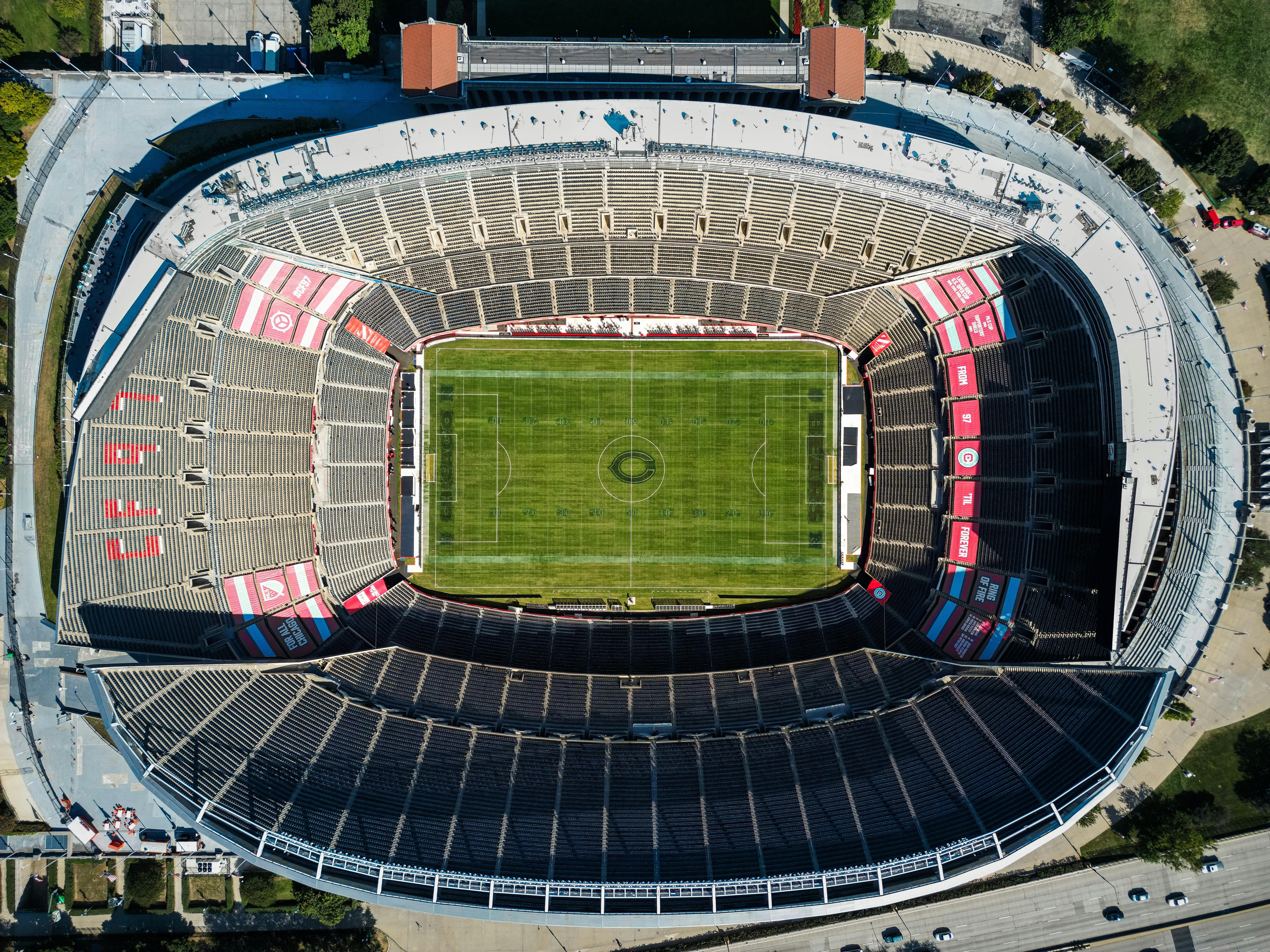


When the World Cup arrives, something extraordinary happens in Latino neighborhoods across the United States. Streets fill with flags, the smell of grilling meat drifts through the air, and the sound of vuvuzelas and cumbia blends into one unmistakable soundtrack. For millions of people rooted in Hispanic heritage, match days are never just about soccer. They are living expressions of culture, identity, and collective joy. Latino World Cup culture is a phenomenon that transforms ordinary city blocks into vibrant community stages, and it happens in virtually every major metropolitan area across the country.
More Than a Game: Soccer as Cultural Identity
For Hispanic communities in the USA, football is a lifelong passion passed down through generations. Children grow up watching their parents cheer for Mexico, Argentina, Brazil, Colombia, and other national teams with an intensity that rivals anything seen at professional stadiums. The sport carries emotional weight that connects diaspora communities to their homelands, making each World Cup cycle feel deeply personal.
This is why soccer celebrations in the Latino community take on such a large-scale character. A team score means a celebration of everything, from families and shared histories to traditions and stories that stretch across continents and decades.
How Cities Transform During the World Cup
Walk through neighborhoods like Pilsen in Chicago, East Los Angeles, Little Havana in Miami, or Jackson Heights in New York during a major match, and the transformation is immediate and total. Businesses drape their storefronts in national colors. Restaurants push tables outside and mount large screens on walls. Community centers open their doors for free watch events, welcoming anyone who wants to share the experience.
World Cup watch parties in the Latino community are organized traditions and celebrations. Block associations coordinate with local restaurants, musicians are booked for pre-match entertainment, and vendors set up along sidewalks selling everything from scarves to street food. The energy builds hours before kickoff and lingers long after the final whistle.
Food as the Heart of Every Celebration
No match day gathering is complete without food, and Latino celebrations are defined by their culinary abundance. Grills appear on sidewalks and in parking lots, loaded with carne asada, chorizo, and elotes. Tables overflow with tamales, empanadas, pupusas, and regional specialties that vary depending on which communities are gathered. The influence of Latin cuisine in the U.S. runs deep, and World Cup season brings that culinary heritage fully into public view.
Local restaurants and food vendors experience some of their strongest business days during major tournament matches. Supporting these establishments during the World Cup is one of the most direct ways fans connect their passion for soccer with their commitment to community. Supporting local Latin businesses during these celebrations helps keep cultural economies thriving while amplifying the festive atmosphere that everyone gathers to enjoy.
Music, Art, and the Full Sensory Experience
Music is inseparable from Latino match-day culture. Mariachi bands perform outside restaurants before afternoon kickoffs. DJ sets blending reggaeton, salsa, and cumbia keep energy high during halftime. In some cities, live drummers and brass bands march through commercial corridors, turning the journey to the watch party into a celebration in itself.
The visual dimension of these gatherings is equally striking. Murals celebrating national teams and soccer legends appear on building walls in Latino neighborhoods during tournament season, adding to a long tradition of public art as a form of cultural expression. This connects directly to the broader role of Latino street art in the U.S. as a medium for community storytelling and pride.
The legacy of music in these spaces is also deeply rooted. The legacy of mariachi music thriving in the U.S. is a testament to how cultural traditions find new life in American cities. It is nowhere more visible than during World Cup celebrations.
Community Organizing Behind the Scenes
What appears spontaneous is often carefully organized. Football culture in Hispanic USA is supported by community associations, cultural nonprofits, local business owners, and grassroots organizers who spend weeks preparing for major matches. Permit applications, sound system rentals, food vendor coordination, and volunteer recruitment all happen behind the scenes to make these events feel seamless and joyful.
Cultural organizations use World Cup moments as opportunities to engage younger generations who may be U.S.-born but still deeply connected to their heritage. Watch parties serve as entry points to broader cultural programming, connecting soccer fans to Latino festivals across the U.S. and year-round community events that celebrate heritage in equally powerful ways.
The 2026 World Cup and What It Means for U.S. Latino Communities
With the 2026 FIFA World Cup co-hosted by the United States, Mexico, and Canada, anticipation within Latino communities has reached a new peak. Host cities, including Los Angeles, Dallas, Miami, New York, and San Francisco, all have significant Latino populations, meaning the tournament will arrive at the doorstep of communities that have been celebrating this sport for decades.
The scale of neighborhood celebrations is expected to surpass anything previously seen. Local governments, cultural institutions, and business associations are already planning community programming around match days. For Latino World Cup culture in the USA, 2026 represents a historic convergence of sporting passion and cultural pride on home soil.
Where Community and Culture Collide
Match days in Latino communities are among the most powerful expressions of cultural identity visible in American cities today. From the sizzle of food on outdoor grills to the music echoing through neighborhood streets, every element of these celebrations reflects a community that holds its heritage with pride and shares it generously with the world. Soccer celebrations in the Latino community are affirmations of belonging, resilience, and joy.
As the 2026 World Cup approaches, these gatherings will only grow in visibility and significance. Latino neighborhoods across the country are ready to show the world what it looks like when a community truly lives its culture out loud, and every match day between now and then is practice for that extraordinary moment.
Visit United Tribes today to learn more about Latino culture and community, from festivals and food to the businesses and stories that make these neighborhoods unforgettable.


