
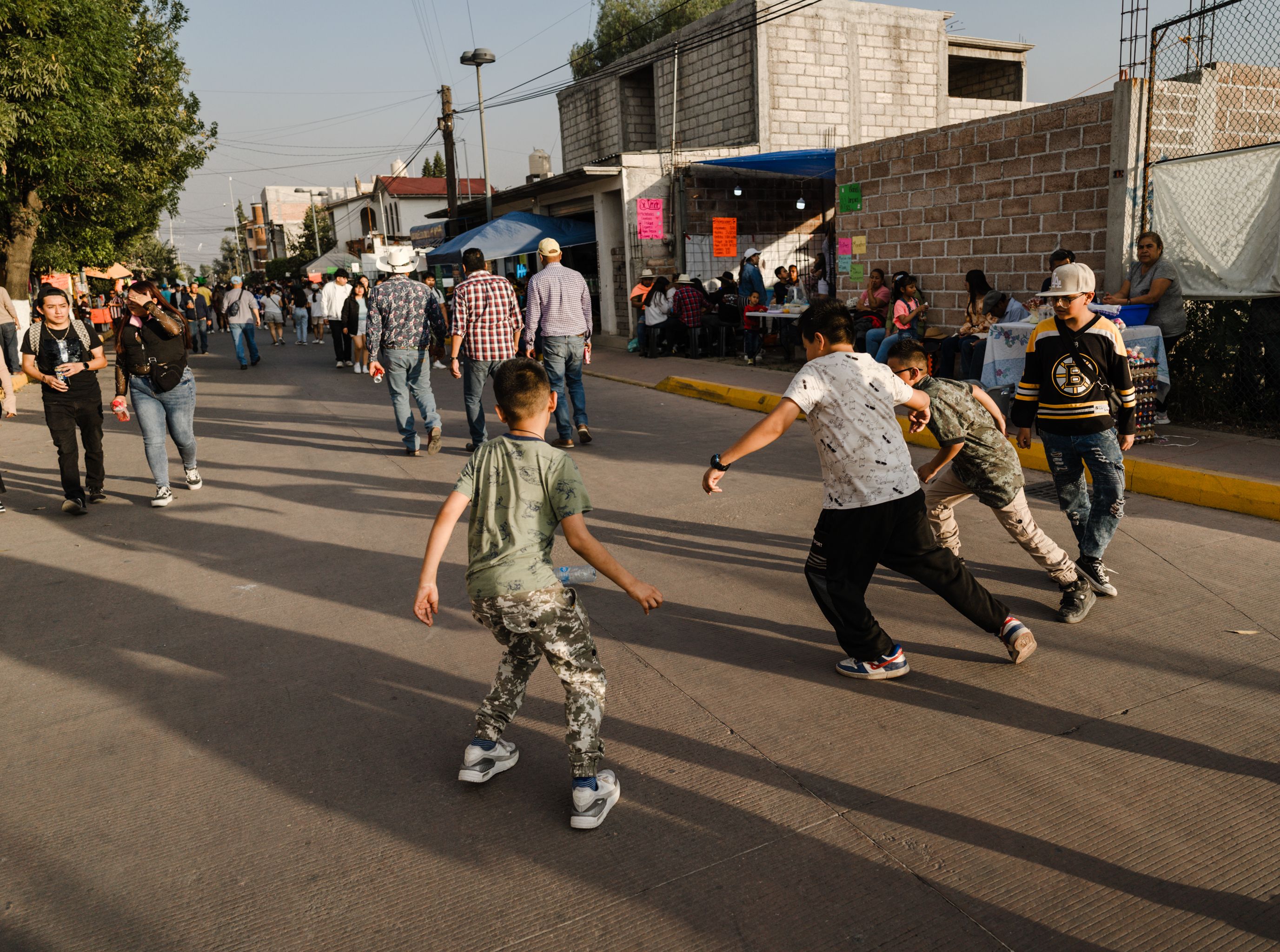


When the FIFA World Cup 2026 kicked off across North American host cities, something extraordinary happened in neighborhoods from East Los Angeles to Chicago's Pilsen district and Houston's East End. Mexican flags lined storefronts. The smell of carnitas and tamales drifted through open windows. Families gathered around screens, wearing green jerseys handed down like heirlooms.
When the Whistle Blew, the Streets Came Alive
From the opening match, Mexican community events erupted across the United States with an energy that felt less like sports fandom and more like cultural reunion. Restaurants in cultural hotspots extended hours, set up outdoor viewing areas, and filled their menus with regional specialties. Barbershops closed early so owners could catch the kickoff.
In cities where Mexico played closer to home, like Dallas, Los Angeles, and Kansas City, all of which hosted matches, the atmosphere was electric. Ticket lines outside stadiums reflected the beautiful diversity of the Mexican diaspora: families from Oaxaca, Jalisco, Michoacán, and Puebla standing side by side, united by one green jersey and the roar of "¡Sí Se Puede!"
Food as the Language of Celebration
No World Cup celebrations America moment in any Mexican household is complete without food that tells a story. Menudo simmered in giant pots from early morning, a dish so deeply tied to Mexican-American memory that its presence alone signals something important is happening. Menudo's role in connecting Mexican-Americans to home goes far beyond the bowl; it is a ritual of belonging.
Regional pride showed up on every table. Families debated whose carnitas recipe was better — Michoacán-style, slow-cooked in copper pots, or the crispy, pan-fried version from the northern states. The tournament became an excuse to explore the full depth of Mexican cuisine, from regional pork dishes passed down through generations to creative modern takes where Mexican flavors met American kitchens in unexpected, delicious ways. These gatherings reminded communities that food is never just sustenance — it is memory, identity, and love made edible.
Neighborhoods That Became Stadiums
You didn't need a ticket to feel the World Cup. Across the U.S., Mexican culture USA neighborhoods transformed into unofficial fan zones. In Pilsen, Chicago, murals of El Tri players appeared overnight on building walls. In Boyle Heights, Los Angeles, community organizations set up projector screens in parking lots. In San Antonio, block parties stretched across entire streets, with live music blending corridos and cumbia between match halftimes.
What made these gatherings remarkable was their intergenerational character. Grandparents who remembered watching Mexico's 1986 World Cup quarterfinal run shared those stories with grandchildren experiencing their first World Cup. First-generation immigrants introduced their American-born children to chants, traditions, and the particular kind of heartbreak and joy that only soccer — and only Mexico — can deliver.
Identity on Full Display
Mexican-American entrepreneurs leaned into this moment fully. Street vendors set up outside viewing parties. Small businesses ran World Cup specials. Artisans sold hand-painted jerseys and embroidered merchandise that blended traditional folk art with soccer iconography. The tournament became an economic and cultural catalyst, proving once again that Mexican culture in the USA is not a relic of the past but a living, evolving force with tremendous community power.
More Than a Game: A Cultural Movement
What FIFA 2026 made visible is something Mexican communities in America already knew: their cultural bonds are unbreakable. The shared experience of Latino culinary fusion blending Hispanic flavors with American favorites in kitchens across the country mirrors how Mexican identity itself has evolved: rooted in tradition, shaped by the American experience, and entirely its own.
World Cup celebrations in America also saw renewed interest in community organizing. Cultural groups that planned watch parties found their membership numbers grow. Community centers that hosted events reported increased engagement for months afterward. The tournament planted seeds that will bloom well into the future, reinforcing that heritage visibility creates lasting community infrastructure.
The Tournament Ends, the Culture Endures
Mexico's FIFA 2026 journey was a sweeping celebration of what Mexican identity looks like when expressed freely, proudly, and collectively across the United States. From the foods shared at neighborhood watch parties to the flags that flew outside homes and businesses, every element of the Mexico FIFA 2026 recap reflects a community deeply connected to its roots and fully alive in the present.
For Mexican-Americans and recent immigrants alike, moments like these reaffirm that cultural identity travels, it adapts, and it grows stronger with each generation that chooses to celebrate it. The Mexican community events sparked by this World Cup will echo in community halls, family kitchens, and local businesses for years to come.
Visit United Tribes today to learn more about Mexican culture and community — from local business listings and cultural events to stories that celebrate what it means to carry this heritage forward in America.


