
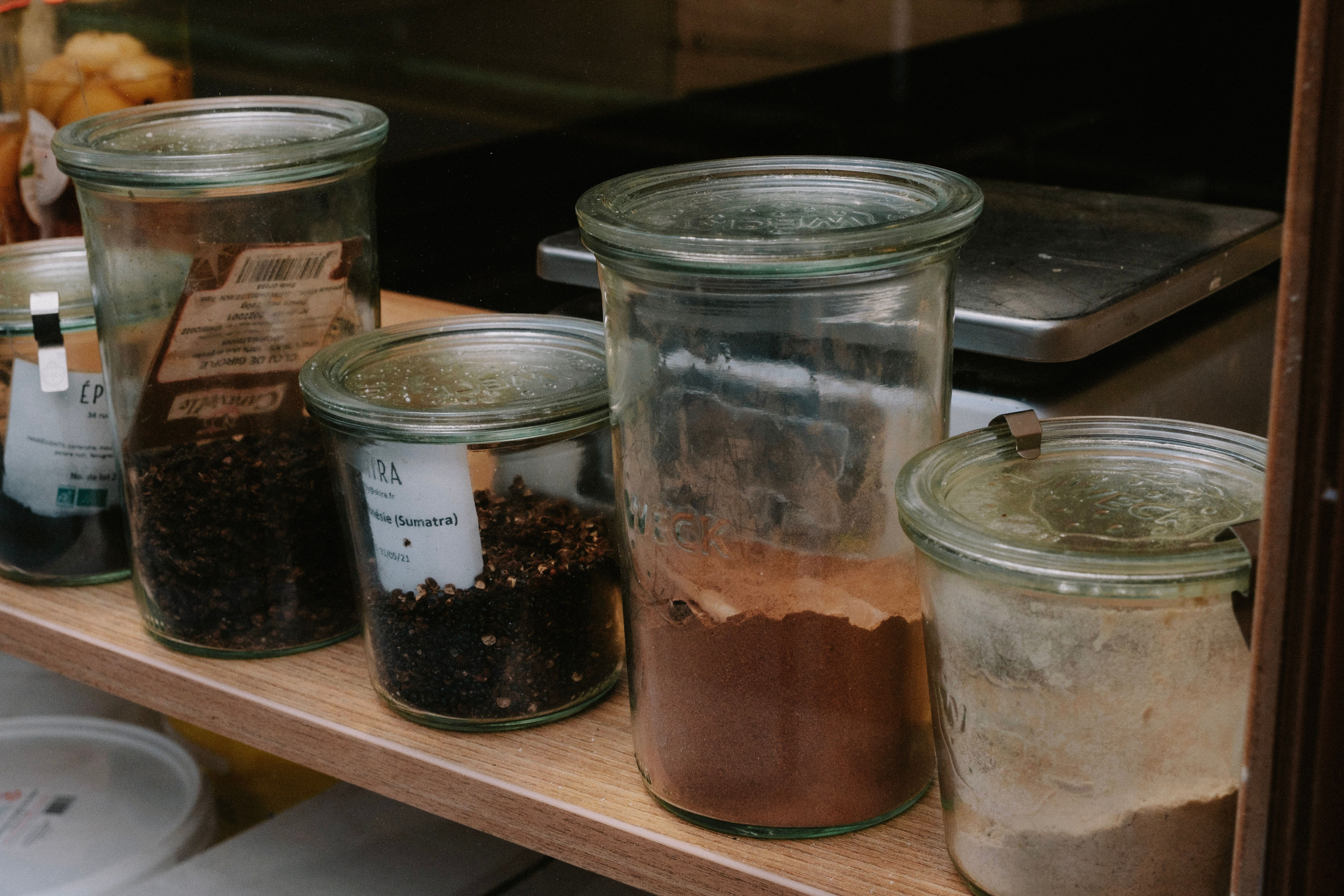

Walk into an Iranian kitchen, and you'll notice something immediately: the pantry is never bare. Persian cooking ingredients have been refined over centuries, creating a culinary tradition built on a core set of staples that appear again and again across regions, generations, and households. For Iranian families living in the United States, keeping these ingredients stocked is less about convenience than cultural continuity — a quiet, daily act of preserving identity through food.
The Foundation Beneath Every Persian Meal
No ingredient holds more reverence in Iranian food culture than rice. Long-grain varieties, particularly basmati, are the daily anchor of the Persian table. But Persian cooks don't simply boil rice—they rinse, soak, parboil, and steam it to produce fluffy, separate grains crowned with a crisp golden crust. That beloved crust, known as tahdig, transforms an everyday grain into something extraordinary. Understanding how tahdig is made reveals just how central technique and patience are to Persian cuisine.

Welcome to United Tribes
Where Persian Culture Comes Alive
Join Your Tribe
Connect with your people
Discover Events
Watch parties & festivals
Find Persian Businesses
Restaurants, markets & more
Earn Crown Credits
Get rewarded for engaging
Alongside rice, dried legumes fill every Iranian pantry. Split peas (lapeh) appear in the iconic khoresh gheimeh, a slow-cooked stew layered with lamb, tomato, and dried lime. Kidney beans, chickpeas, and lentils rotate through soups and rice dishes. These are proteins with history — humble, affordable, and deeply satisfying.
Dried Limes: The Sour Heart of Iranian Cooking
If one ingredient defines the distinct flavor profile of Persian cooking, it is the dried lime, known as limoo amani or limu omani. These small, hard, blackened spheres are whole limes dried until their moisture has completely evaporated, concentrating their tartness into something smoky, complex, and intensely sour.
Iranian cooks pierce dried limes and drop them whole into simmering stews, soups, and rice dishes, allowing them to release their flavor slowly. The result is a background sourness that balances richness without sharpness. Dried limes are non-negotiable in dishes like ghormeh sabzi and abgoosht. In the U.S., Iranian families source them at Persian grocery stores, Middle Eastern markets, or online — and most keep a generous supply, because running out mid-recipe is not an option.
Barberries, Walnuts, and the Sweet-Sour Balance
Barberries (zereshk) are small, crimson dried berries with a sharp tartness that plays beautifully against the richness of saffron-infused rice. Zereshk polo — barberry rice served alongside chicken — is one of the most beloved dishes in Persian cuisine, often prepared for guests and celebrations. The berries are lightly sautéed in butter with a pinch of sugar, then stirred through the finished rice, creating jewel-like bursts of color and flavor.
Walnuts are another pantry constant. Ground walnuts form the base of fesenjan, a slow-simmered stew made with pomegranate molasses that is simultaneously tart, rich, and deeply savory. The walnut-pomegranate combination is one of the defining flavor pairings of northern Iranian cooking, and it shows how Persian pantry staples often work in pairs—each ingredient amplifying the other.
Pomegranate Products and Their Many Roles
Pomegranate appears across the Persian pantry in multiple forms. Pomegranate molasses (rob-e anar) is a thick, dark syrup reduced from pomegranate juice, used to add depth and tartness to stews, marinades, and dips. Pomegranate paste is even more concentrated, while dried pomegranate seeds (anar-dane) serve as garnishes that add crunch and acidity.
These products reflect a broader principle in Iranian food culture: fruit is not just for dessert. Tart fruits and their derivatives function as seasoning agents, balancing fat and protein in savory dishes in ways that vinegar or citrus might in other culinary traditions. Iranian families abroad seek out pomegranate molasses at specialty stores, and many prepare their own batches when fresh pomegranates are in season.
Dried Herbs and the Ghormeh Sabzi Standard
Dried herbs are treated as serious pantry ingredients in Iranian cooking, not afterthoughts. The blend used for ghormeh sabzi — one of Iran's most beloved stews — typically includes fenugreek, dried parsley, dried chives, and dried leek in carefully balanced proportions. Iranian households often prepare their own herb blends, drying fresh herbs from summer gardens and storing them in quantity.
Fresh herbs are also used abundantly, but dried versions carry a concentrated flavor that Iranian cooks rely on for slow-cooked dishes. Timeless Persian cooking techniques often center on how these herbs are handled — toasted, bloomed in oil, or layered at different cooking stages to build complexity.
Rosewater and Pantry Staples for Sweets
Rosewater (golab) is as essential as any savory staple. A few drops perfume rice pudding, halvah, and Persian ice cream. It is also stirred into drinks and used to flavor cookies and pastries prepared for Nowruz and other celebrations. Iranian cooks are precise with rosewater — too much becomes overwhelming, but the right amount is unmistakably Persian.
Dried fruits, including apricots, prunes, and golden raisins, round out the sweeter side of the pantry. They appear in rice dishes and stews to add gentle sweetness against sour or savory notes — a balance that runs throughout regional Iranian dishes from the north to the south.
Sourcing Persian Ingredients in America
Iranian-American families have built reliable networks to keep pantries stocked. Persian grocery stores in cities like Los Angeles, Washington, D.C., Houston, and the San Francisco Bay Area carry most essentials. Where specialty shops are unavailable, Middle Eastern and South Asian markets often carry overlapping staples. Online retailers have expanded access considerably, making dried limes, barberries, and pomegranate molasses available nationwide. As Persian cuisine adapts to modern kitchens, ingredient availability continues to improve across the U.S.
A Pantry That Tells a Story
The Persian pantry is not simply a collection of ingredients — it is a living record of culture, geography, and family tradition. From dried limes to rosewater, each staple carries the weight of the dishes it has seasoned for generations. For Iranian families in the United States, maintaining these pantry essentials is one of the most tangible ways to preserve cultural identity, meal after meal, thousands of miles from home.
Whether you are an Iranian-American rediscovering ancestral recipes or a curious home cook exploring Persian cooking ingredients for the first time, the pantry is the best place to start. Understanding what goes into these ingredients — and why — opens a window into an extraordinarily rich food culture built on balance, patience, and layered flavor.
Head to the United Tribes community hub to browse Iranian-owned businesses, discover Persian food events near you, and connect with a community that keeps these traditions alive every day.
Make United Tribes Your Preferred Source
Add United Tribes on Google to get the latest stories, cultural updates, and community events directly in your Google Search and Top Stories.


