
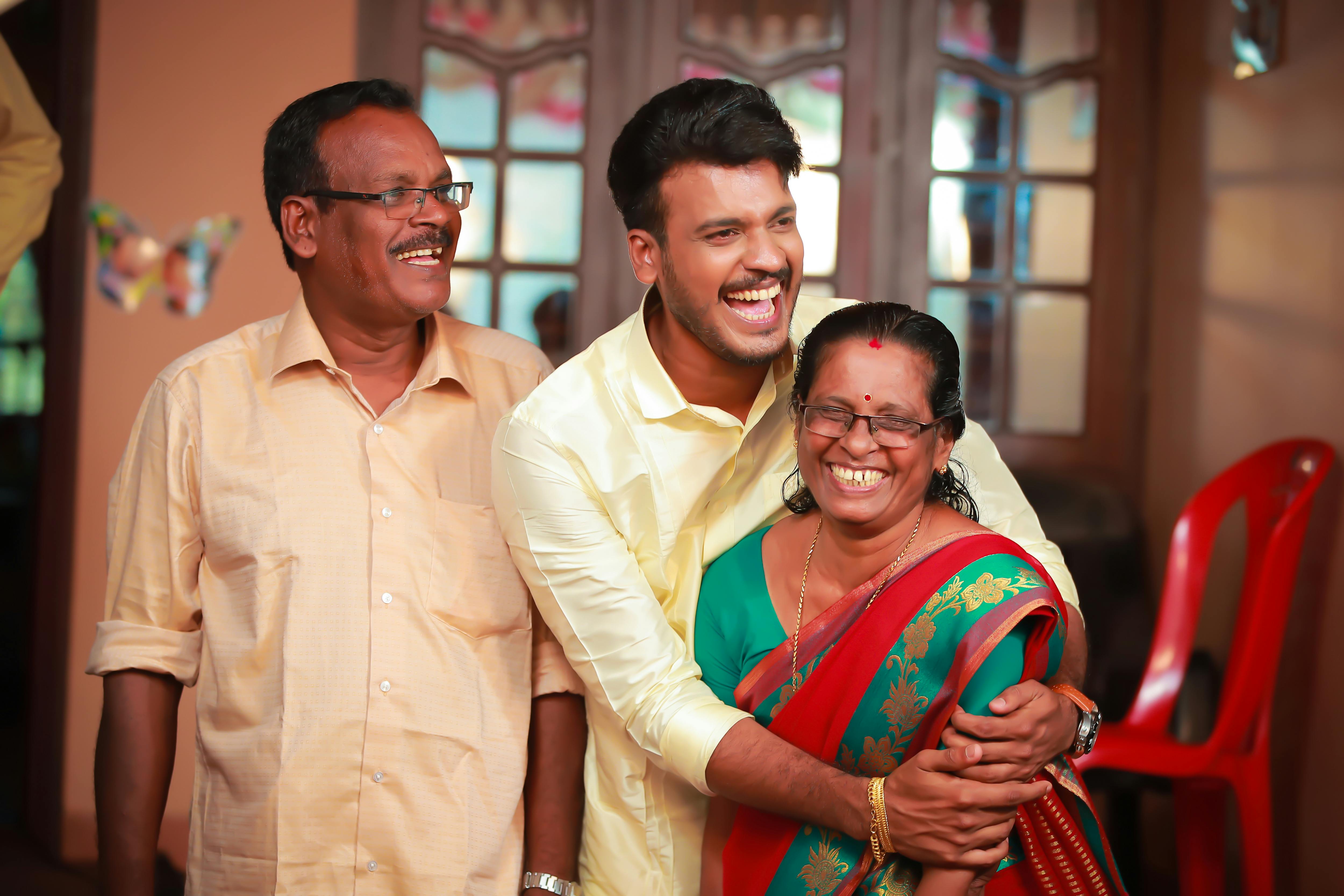


In Indian households, birth order is rarely just a biological fact. It carries weight, meaning, and an unspoken contract with the family. The eldest child, whether a son or daughter, often steps into a role that extends far beyond their years. Across generations and regions, Indian family roles assigned to the firstborn have remained remarkably consistent: lead by example, carry the family's honor, and hold everyone together. For millions of Indians, both at home and in the diaspora, this is understood, even when it is never spoken aloud.
The Cultural Roots of Eldest Child Expectations
Indian society is deeply rooted in collectivism. The family unit functions less like a group of individuals and more like a single, interdependent organism. Within this structure, eldest siblings, or firstborns, are positioned as junior authority figures who bridge the gap between parents and younger children.
This concept draws from ancient Hindu texts, regional customs, and centuries of joint family living. In joint families, where multiple generations share one home, the eldest child learns early that their choices affect everyone. They are observed, emulated, and sometimes burdened with expectations that their younger siblings may never face. Indian parenting across cultures reflects how these values persist even when families relocate abroad, adapting but rarely disappearing.
Leadership as a Birthright and a Burden
The eldest child in an Indian household is often the first to be given responsibilities that would elsewhere be considered adult tasks. Managing younger siblings, representing the family at social gatherings, and making decisions in the parents' absence are common expectations. This positions the eldest as a de facto leader, a role that builds resilience but can also create immense pressure.
Parents frequently use the eldest child as a reference point when setting standards for younger children. Phrases like *"Your brother handled it, so can you"* or *"Your sister set an example"* are woven into everyday conversations. The eldest internalizes this early, often developing a strong sense of duty that shapes their entire adult identity.
This leadership dynamic is particularly visible during major family milestones. At weddings, funerals, and religious ceremonies, the eldest sibling often takes on coordination duties that would otherwise fall to the parents. Understanding Indian wedding customs, for example, reveals just how structured and ceremonially significant these family hierarchies truly are.
Caregiving: When Siblings Become Second Parents
One of the most defining aspects of Indian household dynamics is the expectation that eldest children—especially daughters—will help raise their younger siblings. This is not framed as a burden but as a privilege and an expression of love. Yet the practical reality involves real sacrifices in time, freedom, and personal development.
Eldest children frequently delay pursuing personal goals to support younger siblings through school, career decisions, or emotional struggles. They become confidants, advisors, and emotional anchors. In many families, this caregiving role extends into adulthood, with the eldest sibling taking financial responsibility for aging parents long before younger siblings are expected to contribute.
This pattern intensifies within immigrant communities. Indian immigrants navigating life abroad often rely even more heavily on their eldest children to serve as cultural translators and family stabilizers in unfamiliar environments.
The Intermediary Role: Standing Between Two Worlds
Perhaps the most nuanced responsibility placed on eldest siblings is that of family intermediary. They are expected to communicate parental expectations to younger children while also advocating for those siblings when needed. This dual role requires diplomacy, emotional intelligence, and constant self-regulation.
When conflict arises between parents and younger siblings over education, relationships, or career choices, the eldest often steps in to mediate. They soften messages, reframe demands, and cushion the impact of disappointment on both sides. This is a delicate position, one that requires the eldest to suppress their own feelings for the sake of family harmony.
This role becomes especially complex as families navigate Indian social expectations across generations. Younger siblings may push back against traditional values, while parents hold firmly to cultural norms. The eldest stands at the center, fluent in both languages, expected to preserve peace without choosing sides. Bridging generations through family traditions explores how families manage this ongoing tension across cultural and generational divides.
The Emotional Cost of Being First
Despite the honor attached to being the eldest, the emotional toll is real and often unacknowledged. Many eldest children describe a persistent sense of loneliness—carrying weight they cannot share because doing so would undermine their authority or worry their parents. They are expected to be strong, capable, and composed even in moments of personal crisis.
Mental health conversations in Indian communities are slowly evolving, but the pressure on eldest siblings remains largely invisible. Their struggles are minimized with comments like *"You're the strong one"* or *"We depend on you."* Recognizing this emotional complexity is essential to understanding the full picture of Indian family roles and the people who inhabit them.
Evolving Expectations in Modern Indian Families
Younger generations are beginning to question and renegotiate these inherited dynamics. Urban families, dual-income households, and exposure to global values are shifting expectations for eldest children. Conversations about fairness, mental health, and individual autonomy are becoming more common, even within traditional families.
Yet the core values remain: loyalty, responsibility, and family above self. The form may change, but the spirit of the eldest sibling's role continues to define Indian household dynamics in profound ways.
Honoring the Firstborn's Quiet Strength
The eldest child in an Indian family carries a legacy that is both beautiful and demanding. From leading by example to holding the family together through transitions and conflicts, their contributions are foundational yet often taken for granted. Understanding these Indian social expectations helps us appreciate the invisible labor of firstborns and the cultural values that shape their lives.
For Indian communities in the U.S. and beyond, these dynamics play out in living rooms, family group chats, and community gatherings every day. Recognizing them is the first step toward more honest, compassionate conversations about what families ask of their children and what they deserve in return.
Visit United Tribes today to learn more about Indian culture and community, where stories like these are celebrated, shared, and deeply understood.


