
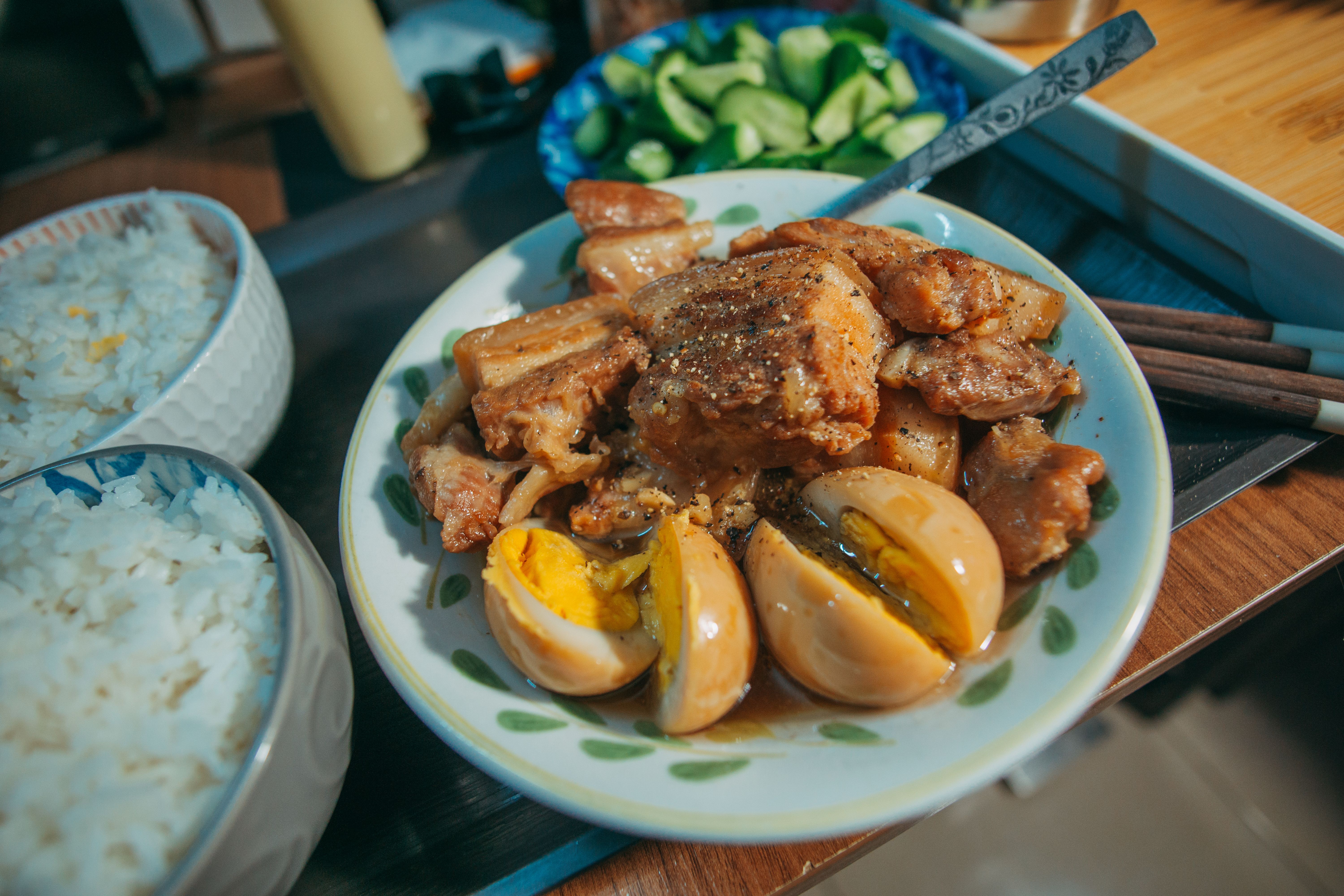

Walk into a Filipino home at any hour, and chances are someone will immediately ask if you've eaten. Before you even answer, a pot is already being checked, plates are being pulled from the cabinet, and food is finding its way to the table. This is simply how Filipino hospitality works. The instinct to feed a guest is so deeply embedded in Filipino culture that having food ready is less a choice and more a reflex, a cultural inheritance passed from one generation to the next.
Food as the Language of Welcome
In Filipino tradition, offering food is one of the most sincere forms of greeting. The phrase *"Kumain ka na?"* — "Have you eaten?" — functions as both hello and an expression of care. It signals that a guest's comfort matters more than convenience, and that no one should leave a Filipino home hungry.

Welcome to United Tribes
Where Filipino Culture Comes Alive
Join Your Tribe
Connect with your people
Discover Events
Watch parties & festivals
Find Filipino Businesses
Restaurants, markets & more
Earn Crown Credits
Get rewarded for engaging
Whether it is a random Tuesday afternoon visit from a neighbor or an unplanned stop by a distant relative, Filipino families extend the same warmth. Food is always within reach because hospitality is not reserved for prepared moments; it is a constant state of readiness.
The Cultural Roots of Always Having More
Filipino hospitality, known broadly as *mabuting pakikitungo*, is shaped by centuries of communal living, deeply Catholic values of charity and generosity, and a cultural worldview where community comes before self. Guests are considered a blessing rather than an interruption, and being caught without food to offer would bring a particular kind of shame, not from judgment, but from the felt failure of not caring for someone who came to your door.
This connects directly to values like bayanihan and pakikisama, the spirit of mutual aid and getting along harmoniously, which shape how Filipino families relate to their guests and neighbors. Feeding someone is an act of community. It says:* You belong here.*
What's Always on the Table
Filipino kitchens are rarely empty. A pot of rice is almost always ready or recently cooked. Leftovers from lunch become merienda. Last night's adobo tastes even better reheated. The pantry holds dried fish, canned goods, and ingredients that can become a meal within minutes.
The comfort of lutong bahay, home-cooked food, is central to this tradition. Filipino cooking is rarely fussy about presentation, but it is always abundant in flavor and portion. Common dishes kept ready for guests include:
- Sinangag (garlic fried rice) that can stretch any meal
- Adobo — chicken or pork slow-cooked in vinegar and soy sauce, which keeps well and reheats beautifully
- Sinigang — a sour tamarind soup often made in large batches
- Pandesal — soft bread rolls almost always on hand for unexpected visitors
- Leftovers treated with the same pride as a freshly cooked dish
No guest is expected to wait long. Filipino kitchens are designed, culturally and practically, for quick abundance.
The Unspoken Expectations Between Host and Guest
There is an entire unspoken code of Filipino hospitality that both hosts and guests navigate instinctively. Guests are expected to initially refuse food, not because they don't want it, but because accepting too eagerly can feel presumptuous. Hosts, in turn, are expected to insist. This back-and-forth, sometimes called *hiya* (a sense of propriety and social awareness), plays out at nearly every Filipino dining table.
The host will say *"Kain na!"* — "Come eat!" — multiple times. The guest may decline once or twice. But eventually, everyone eats. This ritual is not inefficiency; it is mutual respect expressed through food. There is also the unwritten rule about bringing food when visiting: guests often arrive with pasalubong (a gift, often food) as their own contribution to the table, completing a cycle of generosity on both sides.
How the Tradition Travels Abroad
For Filipino families living in the United States, this tradition always adapts. Filipino-American homes carry the same instinct to feed, even when the context shifts. Tupperware moves between households. Dishes are made in double batches just in case someone stops by. Potlucks become a weekly ritual where no one is ever allowed to leave empty-handed.
Filipino comfort food in the U.S. takes on added meaning in the diaspora: it is not only sustenance but also a bridge to home, identity, and belonging. A plate of pancit or a bowl of arroz caldo offered to a guest carries memory and love in every bite, connecting generations and reminding both host and visitor of where they come from.
Filipino restaurants and home-based food businesses across the U.S. reflect this same spirit. Many are family-run, built on recipes passed down with intention, and oriented around feeding people generously rather than precisely.
Generosity as Identity
What makes Filipino food culture distinct is that abundance is about character. A family with very little will still find a way to set a plate for a visitor. The generosity is not proportional to what the host has; it is proportional to the value placed on the guest. This is the quiet dignity at the heart of Filipino hospitality.
It also explains why Filipino gatherings are famous for their volume of food. The fear of running out — *baka kulang* — is real, and it drives hosts to cook far more than any reasonable calculation would suggest. Leftovers are not waste; they are proof of generosity.
A Table That's Always Set
Filipino hospitality is a daily practice rooted in values of generosity, community, and love expressed through food. From the pot of rice always kept warm to the instinctive reach for a plate when someone walks through the door, Filipino culture teaches that welcoming others well is one of the highest forms of human decency. These traditions travel across oceans and survive across generations because they are simply who Filipino families are.
For Filipino-Americans, maintaining these customs in the United States is an act of cultural preservation as much as it is an act of love. Whether it is a backyard gathering in California or a small apartment kitchen in New York, the table is always set with the same spirit that has defined Filipino homes for centuries.
Explore the warmth and richness of the Filipino community on United Tribes, from family-run businesses to cultural stories that capture what it truly means to belong to this extraordinary heritage.


