
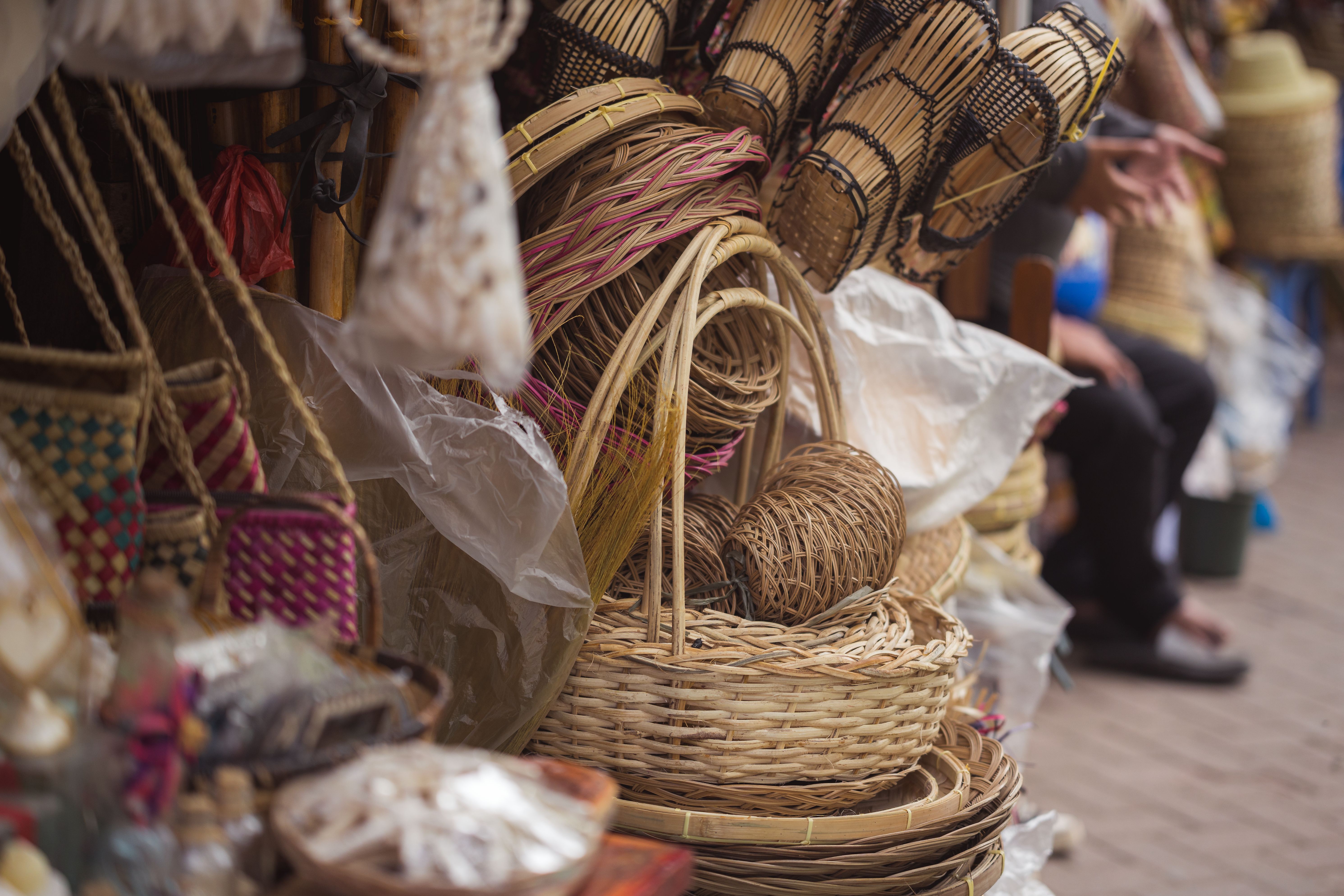

In Filipino family life, handmade items carry a weight that store-bought goods simply cannot replicate. A woven banig mat passed down from a grandmother, a hand-embroidered barong gifted for a son's wedding, or a parol assembled on a December evening are just examples of living proof that Filipino heritage travels with people, embedding itself in the gestures, textures, and time invested in making something with care. For Filipino Americans navigating life between two cultures, handmade traditions serve as anchors, pulling families back to something real and enduring.
The Language of Making Things Together
Before globalization flooded markets with mass-produced goods, Filipino families made almost everything they needed, from the mats they slept on to the fabrics they wore to the decorations that marked every celebration. This culture of making was never purely practical. It was relational. Grandmothers taught granddaughters to weave not just to pass on a skill, but to pass on time spent together, stories exchanged, and patience modeled.

Welcome to United Tribes
Where Filipino Culture Comes Alive
Join Your Tribe
Connect with your people
Discover Events
Watch parties & festivals
Find Filipino Businesses
Restaurants, markets & more
Earn Crown Credits
Get rewarded for engaging
That relational quality is exactly what makes Filipino crafts so resilient today. Even as younger generations grow up in American cities far from the provinces of Mindanao or the Visayas, many still find their way back to handmade practices, sometimes through a parent's instruction, sometimes through curiosity, and sometimes through a community class or cultural festival that reintroduces them to something their family once did.
Weaving as Living Heritage
Few Filipino traditions are as visually striking or culturally layered as textile weaving. From the bold geometric patterns of T'nalak cloth woven by the T'boli people to the delicate piña fabric derived from pineapple fibers, Filipino weaving traditions reflect the extraordinary diversity of the archipelago's regional cultures.
In the United States, Filipino American weavers and textile artists are actively working to keep these practices alive. Some teach workshops at cultural centers; others sell handwoven goods through small businesses that double as education platforms. The rich history of Filipino weaving traditions, from the humble banig sleeping mat to contemporary design applications — shows how adaptable these crafts can be when communities commit to preserving them.
What makes weaving particularly powerful as a family tradition is the way it demands presence. You cannot weave while distracted. Sitting at a loom or working with rattan strips requires focus, rhythm, and a kind of meditative attention that naturally invites conversation, memory, and connection.
Embroidery, Needlework, and the Art of Slow Making
Embroidery holds a special place in Filipino culture, particularly in the craft traditions surrounding formal wear. The barong Tagalog, the Philippines' national formal shirt for men, is traditionally adorned with intricate hand-embroidered designs, a painstaking process that can take weeks or months to complete. Receiving or gifting a hand-embroidered barong is understood as an act of deep respect and love.
For Filipino American families, keeping embroidery traditions alive is often a quiet act of resistance against the disposable nature of fast fashion. Mothers and aunts who embroider tablecloths, pillowcases, or clothing for children are transmitting both technique and sensibilities that some things are still worth the slow, careful effort.
Handmade Filipino needlework also extends to regional crafts like the decorative stitching found on indigenous garments from the Cordillera region, where each pattern carries specific cultural meaning tied to community identity and social standing.
Handmade Gifts and the Culture of Pasalubong
In Filipino family life, the concept of pasalubong, the practice of bringing gifts when returning from a trip, is deeply embedded in how relationships are maintained and expressed. While modern pasalubong often means packaged snacks or commercial souvenirs, the heart of the tradition has always been about thoughtfulness and care.
Handmade gifts amplify this meaning considerably. A hand-crocheted bag, a set of hand-painted santos figures, or a carefully assembled gift basket of homemade kakanin (rice cakes) communicates something that a purchased item cannot: that the giver invested time, skill, and intention specifically for the recipient.
Filipino American artisans who make and sell handcrafted goods are participating in this culture of giving, often building small businesses around the traditions they grew up with. Filipino creativity expressed through design and digital platforms continues to evolve while staying rooted in these generous, community-oriented values.
Christmas Crafts and Seasonal Traditions
No conversation about handmade Filipino traditions is complete without the Christmas parol. These star-shaped lanterns, traditionally crafted from bamboo and Japanese paper, are among the most recognizable symbols of Filipino Christmas culture. Making a parol together as a family is a ritual in itself: measuring, cutting, assembling, and lighting something that will hang in the window as a declaration of faith and joy.
The tradition of crafting parols as acts of community and light remains vibrant in Filipino American households, where families adapt the craft using available materials while preserving its warmth and meaning. Alongside parols, Filipino Christmas decorations across American neighborhoods reflect a creativity shaped by both heritage and new context.
Textiles as Cultural Identity
Beyond individual crafts, Filipino heritage textiles carry the identities of entire communities. Abel, the handwoven cloth of the Ilocos region, and piña, the translucent pineapple-fiber fabric used in formal wear, are beautiful works of art that also serve as cultural archives. Each thread documents technique, trade, regional pride, and generational continuity. Understanding the significance of traditional Filipino textiles helps Filipino Americans appreciate how deeply cloth is connected to cultural memory and identity.
Keeping Filipino Handmade Culture Alive
Whether through weaving, embroidery, parol-making, or the careful crafting of a handmade gift, Filipino Americans carry these practices into new contexts without diminishing their meaning.
For the diaspora, these traditions do something especially vital: they give younger generations something tangible to hold onto as they navigate hyphenated identities. A child who learns to weave a banig or embroider a pillowcase inherits not just a skill but a story about where they come from and who their people are.
Connecting with Filipino craft traditions, learning about makers in your community, and supporting Filipino artisans all become ways of keeping this heritage alive, and the Filipino community on United Tribes is one of the best places to discover the makers, storytellers, and cultural entrepreneurs who are doing exactly that.


