
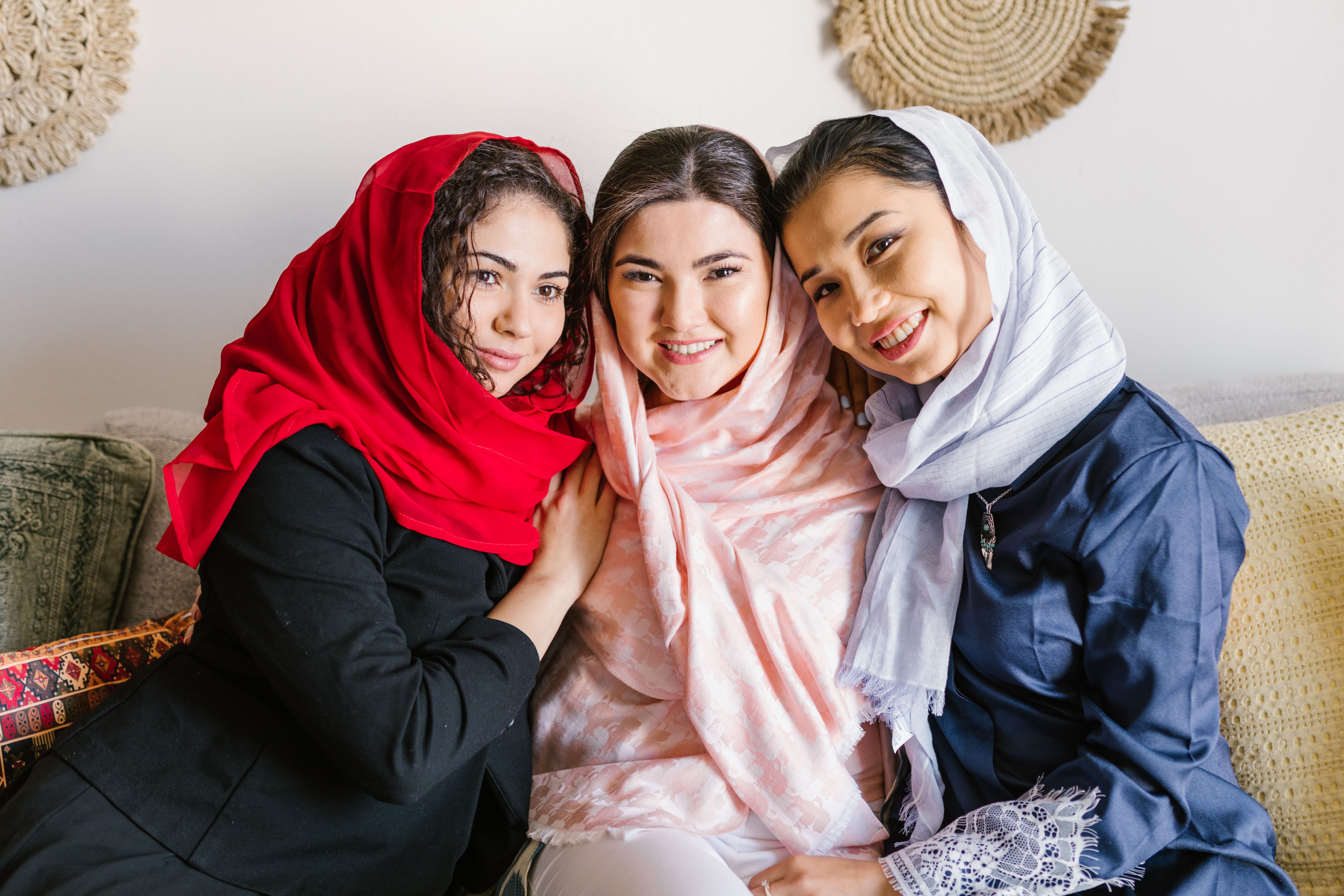

In many Persian households, dinner is never just about food. It is an event, a ritual, and an expression of love all at once. Long after the main dishes have been cleared, families remain seated — talking, laughing, sipping tea, and reaching for one more piece of fruit or a small square of nougat. This lingering at the table is one of the most distinctive and cherished aspects of Persian dining, and it speaks to something far deeper than appetite. It speaks to identity, belonging, and the belief that a meal shared slowly is a meal shared well.
The Table as the Heart of Persian Home Life
In Iranian tradition, the dining table — or the *sofreh* — is treated as a sacred space. Whether traditionally spread across the floor or set around a formal dining table in a modern home, it is the gathering point of family life. Meals are rarely rushed. Multiple courses arrive in waves: aromatic rice dishes like *chelow* or *polo*, slow-braised stews called *khoresh*, fresh herbs, flatbread, and salted yogurt. Each dish is prepared with care, and sitting down to eat is understood as a commitment to the people in the room.

Welcome to United Tribes
Where Persian Culture Comes Alive
Join Your Tribe
Connect with your people
Discover Events
Watch parties & festivals
Find Persian Businesses
Restaurants, markets & more
Earn Crown Credits
Get rewarded for engaging
Iranian family meals are designed to be drawn out. Conversation flows freely between bites. Elders share stories. Children ask questions. The act of eating becomes inseparable from the act of connecting. This reflects a cultural philosophy that prioritizes human relationships over efficiency.
Taarof: The Art of Gracious Hospitality
No discussion of Persian hospitality is complete without *taarof*, the elaborate social code governing politeness, generosity, and deference. At the dinner table, taarof means that guests are repeatedly offered food, hosts insist that nothing is enough, and second and third helpings are expected as a sign that the meal was enjoyed. Refusing too quickly is considered rude; accepting graciously is an art form.
This hospitality extends beyond the meal itself. A host who allows guests to leave without tea, fruit, or sweets has not fulfilled their role. The extended duration of Persian dinners is therefore partly structural, built into the very customs that define what it means to welcome someone into your home.
The Second Act: Tea, Fruit, and Sweets
Once the main meal concludes, the table transforms rather than empties. A fresh round of items appears: a pot of brewed black tea served in small glass cups, a platter of seasonal fruit peeled and sliced with care, and an assortment of sweets. Dates, *baklava*, *sohan* (saffron brittle), and rice cookies might be arranged on a tray alongside pistachios and dried mulberries. These ingredients, like saffron, rosewater, and pistachios, are central to Iranian culinary identity, and their presence signals that the evening is far from over.
This second act can last as long as the meal itself. The Persian tea culture that anchors daily life in Iranian-American homes translates seamlessly to the dinner table, where tea becomes a reason to stay seated, slow down, and continue talking.
Conversation as Nourishment
Persian gatherings are known for the richness of their conversation. Poetry is recited. Current events are debated. Family histories are passed down. The influence of Persian poetry in Iranian-American identity runs deep, and it is not unusual for a dinner conversation to drift into verses from Hafez or Rumi, quoted from memory by a grandparent or uncle. These moments are the natural texture of how Persian families communicate.
Food and language intertwine. Complimenting a dish, asking for its recipe, debating whether this year's *ghormeh sabzi* rivals last year's version, these exchanges reinforce bonds between generations and keep Iranian traditions vibrantly alive within the home.
How Iranian-American Families Adapt the Tradition
Life in the United States introduces competing pressures: work schedules, school nights, long commutes, and the pace of American culture. Yet Persian-American culture has shown a remarkable capacity to preserve the social dimension of dining even within these constraints. Weeknight dinners may be simpler, but weekend gatherings often restore the full ritual — sometimes stretching four or five hours with extended family crowded around the table.
Many Iranian-American families designate Friday nights or Sundays as dedicated gathering occasions. Cousins arrive. Grandparents hold court. The kitchen becomes a collaborative space, and the meal that follows reflects hours of preparation. The holiday pantry stocked with pistachios, saffron, and rosewater ensures that even in a new country, the flavors of home are never far away.
The businesses and restaurants run by Iranian-Americans across the U.S. extend this hospitality beyond the home. Iranian-American entrepreneurs have built spaces where the communal spirit of Persian dining culture can be experienced by neighbors, coworkers, and friends from any background.
Why the Slow Meal Matters Now More Than Ever
In an era of rushed lunches and food consumed in front of screens, the Persian commitment to long dinners carries unexpected relevance. Research consistently shows that slower, social meals improve mental health, strengthen family bonds, and deepen a sense of belonging. What Persian dining culture has practiced for centuries — treating the table as a place of genuine human connection — is something the modern world is only beginning to rediscover.
For Iranian-American families, preserving this tradition is also an act of cultural resistance. In maintaining the long dinner, they maintain continuity with their homeland, their language, and their ancestors. The sofreh, wherever it is laid, becomes a site of memory and meaning.
The Table That Holds Everything Together
Persian dining culture reminds us that food is only the beginning. The real nourishment comes from what happens after the plates are set down — the conversations that stretch late into the evening, the tea poured again and again, the laughter that fills the space between bites of saffron-sweet dessert.
For Iranian-American families navigating life between two cultures, the long dinner is one of the most powerful tools of preservation available. It requires no special occasion and no formal instruction. It simply requires showing up, sitting down, and staying a little longer than the schedule demands. In doing so, families pass something irreplaceable from one generation to the next.
Head to the United Tribes community hub to discover Iranian-American businesses, cultural events, and stories that celebrate the traditions keeping Persian heritage alive across the United States.
Make United Tribes Your Preferred Source
Add United Tribes on Google to get the latest stories, cultural updates, and community events directly in your Google Search and Top Stories.


