
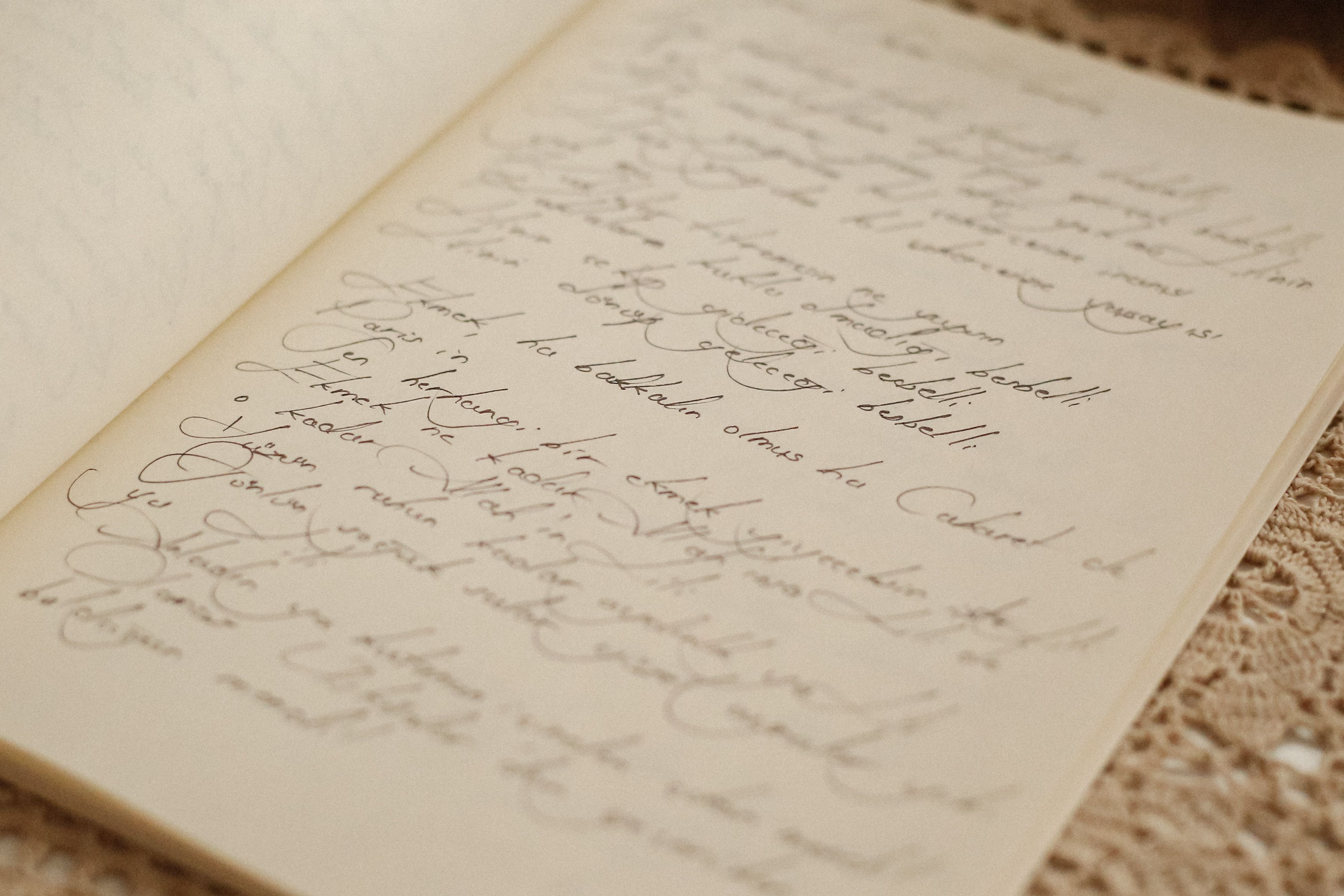

In most cultures, poetry lives in libraries and classrooms. In Persian culture, it lives at the dinner table. It appears in text messages, wedding toasts, and quiet moments of grief. A grandmother recites Hafez from memory. A father quotes Rumi to end an argument. A teenager types a couplet into a caption. This is simply how Persian cultural traditions function. Poetry is a living, breathing part of how Persian people communicate, celebrate, grieve, and connect.
Poetry as a First Language of Emotion
To understand why Persian poetry holds such an unusual place in daily life, it helps to understand what poetry has historically done for Iranian society. For over a thousand years, Persian poets spoke openly about love, loss, mysticism, political resistance, and human longing — subjects that were often dangerous to address directly. Poetry became a coded and beautiful language for everything that mattered most.

Welcome to United Tribes
Where Persian Culture Comes Alive
Join Your Tribe
Connect with your people
Discover Events
Watch parties & festivals
Find Persian Businesses
Restaurants, markets & more
Earn Crown Credits
Get rewarded for engaging
That tradition never faded. Today, Iranians reach for a verse the way others might reach for a proverb. The timeless beauty of Persian poetry reflects how deeply this instinct runs—not as an academic exercise but as emotional shorthand passed between generations.
The Poets Who Never Left the Room
Several literary figures remain so central to Persian culture that they function almost like household presences.
Hafez of Shiraz is perhaps the most intimately embedded. His *Divan* is found in nearly every Iranian home, and the practice of *fal-e Hafez*—opening the book at random to receive guidance—is still performed at Nowruz and at personal crossroads. This is not superstition so much as a ritual of reflection, a way of inviting poetry into decision-making.
Rumi, known in Persian as Jalal ad-Din Balkhi, is cited constantly in conversation, particularly around themes of love and spiritual longing. While Western audiences often encounter Rumi through translation, Persian speakers engage with the original Farsi — and the difference in texture and precision is enormous.
Ferdowsi's *Shahnameh* — the Book of Kings — is the epic that preserved the Persian language itself after the Arab conquests. Lines from it still appear in speeches, ceremonies, and national pride. Sadi's *Golestan* contributes short, wise verses that Iranians quote the way others cite common sayings.
These are not figures people study and set aside. They are companions.
Nowruz and the Poetry of Celebration
Iranian poetry is seasonally alive in ways that outsiders might not expect. During Nowruz, the Persian New Year celebrated around the spring equinox, poetry is woven into nearly every ritual. The *haft-sin* table — with its seven symbolic items — is often accompanied by a copy of the Quran or the Divan of Hafez. Families gather, take turns reading aloud, interpret verses, and debate meaning.
Poetry also anchors the Chaharshanbe Suri fire festival, Sizdah Bedar picnics, and even Yalda Night, the winter solstice celebration where families stay up reading Hafez together until midnight. The role of Persian poetry in Iranian-American identity captures how these rituals carry across borders, sustaining cultural continuity even thousands of miles from Iran.
Music, Calligraphy, and the Multimedia Life of Verse
Persian poetry rarely travels alone. It is embedded in traditional music, where classical Persian instruments like the tar and santur accompany sung poetry in a tradition called *āvāz*. Contemporary Iranian musicians also set classical verses to modern arrangements, making Hafez and Rumi accessible to younger generations without diminishing their depth.
Calligraphy extends poetry's reach into visual art. A verse from Rumi painted in *nastaliq* script becomes both literature and image — hung on walls, printed on textiles, and gifted at weddings. Persian calligraphy writes poetry and culture into every stroke, showing how a single line of verse can hold layers of cultural meaning at once.
Poetry in the Diaspora
For Iranian-Americans, Persian poetry often functions as a tether—a way to hold onto identity when language itself becomes harder to maintain across generations. Community poetry nights, literary clubs, and cultural festivals across cities like Los Angeles, Houston, and Washington, D.C. keep this tradition publicly alive.
Younger Iranian-Americans, many of whom grew up hearing Farsi at home but reading and thinking primarily in English, often find that Iranian literature offers a bridge—a way back into the language and a deeper understanding of their own family histories. The role of Persian poetry in the modern American literary scene explores how this inheritance is reshaping American writing itself, and Iranian-American book clubs and literary circles highlight the community spaces where these conversations happen in real time.
Why This Matters for Cultural Identity
What makes Persian cultural traditions around poetry so significant is that they model a living culture—one that resists being archived. Poetry is not preserved behind glass in Iran or in the diaspora. It is spoken aloud at funerals, whispered between lovers, posted on social media in Farsi script, and sung at children's bedtimes.
This continuity matters enormously for diaspora communities navigating questions of belonging. When a second-generation Iranian-American quotes Hafez at a family dinner without thinking twice, they are inhabiting heritage.
Poetry That Travels Across Every Border
Persian poetry endures because it has never been purely literary. It is emotional infrastructure — a shared vocabulary for love, loss, celebration, and identity that functions just as naturally in a living room in Tehran as in one in Los Angeles. The poets may be centuries old, but the impulse to reach for their words remains immediate and instinctive for millions of Iranian people worldwide.
For the diaspora especially, poetry represents something irreplaceable: a form of cultural belonging that requires no physical location. As long as someone remembers a couplet, the thread back to Persian culture remains unbroken. That is remarkable, and it deserves recognition and celebration.
Head to the United Tribes community hub to connect with Iranian-American voices, discover cultural events near you, and explore the living traditions that poetry has kept alive across generations.
Make United Tribes Your Preferred Source
Add United Tribes on Google to get the latest stories, cultural updates, and community events directly in your Google Search and Top Stories.


