
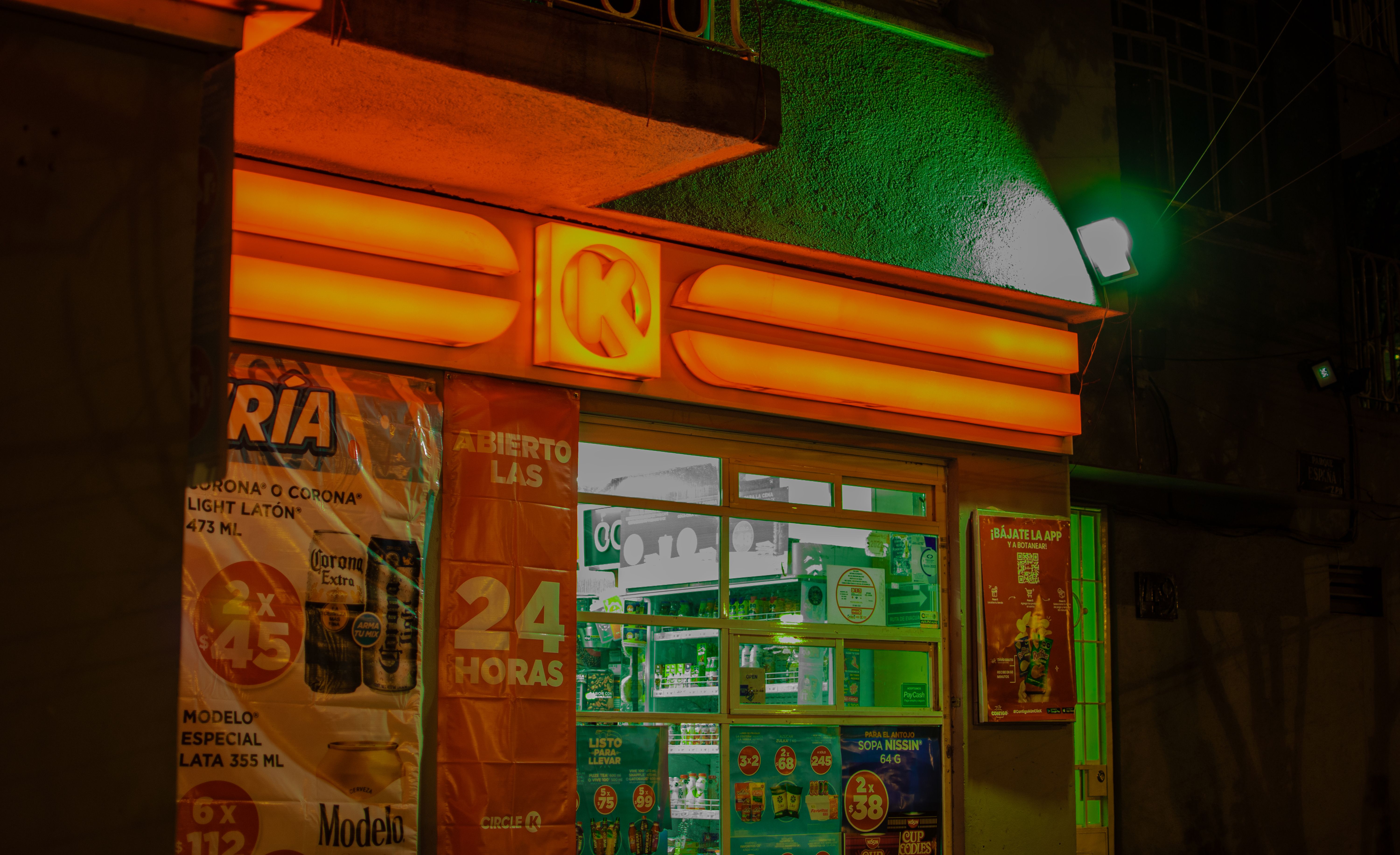

More Than a Corner Store
Walk into a Latino bodega on any given morning, and you will understand within seconds that something more than commerce is happening. The smell of fresh coffee, the sound of Spanish being exchanged over the counter, a handwritten sign advertising platanos or pan dulce — these details tell a story that no chain convenience store ever could. The bodega is a living, breathing piece of Latino community life, woven into the fabric of neighborhoods from the South Bronx to East Los Angeles to Miami's Little Havana.

Welcome to United Tribes
Where Mexican Culture Comes Alive
Join Your Tribe
Connect with your people
Discover Events
Watch parties & festivals
Find Mexican Businesses
Restaurants, markets & more
Earn Crown Credits
Get rewarded for engaging
The term has roots in the Spanish word for "wine cellar" or "warehouse." Still, in the United States, it has taken on its own distinct identity—particularly within Caribbean and Latin American diaspora communities. While Mexican-American neighborhoods might use different names for similar establishments, these small, family-run shops play a remarkably consistent role: they fill gaps bigger retailers ignore, and they do it with cultural fluency no corporate franchise can replicate.
A Pantry That Feels Like Home
For first-generation immigrants and longtime residents alike, the bodega functions as a cultural pantry. These shops stock items that major grocery chains rarely carry — recao, sofrito in mason jars, Goya products stacked floor to ceiling, dried chiles, yuca, and seasonal items tied to specific celebrations. Whether someone needs an ingredient for a family gathering or a snack that reminds them of the country they left behind, the bodega delivers.
This connection to familiar food runs deep. Food is memory. When Latino culinary traditions blend with American life, the neighborhood shop often makes those traditions possible. The bodega keeps those flavors accessible and affordable, especially in urban areas where fresh, culturally specific ingredients can be hard to find.
The Shopkeeper as Community Figure
One of the most underappreciated aspects of bodega culture is the relationship between shop owner and customer. In many cases, the person behind the counter knows your name, your order, and your family situation. They extend credit when money is tight. They pass along neighborhood news. They offer a warm word when times are hard.
This reflects a cultural value of confianza, or trust, that runs deep in Latino communities. The bodega owner becomes a neighbor, a witness to life's milestones, and sometimes an informal community leader. They know who just had a baby, who needs a job, and who is struggling. That knowledge creates a web of mutual support that no app can replicate.
Hispanic entrepreneurs are reshaping Main Street across the country, and bodega owners are among the most quietly influential examples of that transformation.
Immigrant Entrepreneurship in Action
The bodega has long been a first step for immigrant entrepreneurs building economic footing in the United States. Puerto Rican, Dominican, Cuban, and Mexican families — among many others — have used the corner store model to build generational wealth, employ family members, and establish themselves in new communities. Barriers to entry are high, hours are brutal, and margins are thin. Yet thousands of families have made it work.
This is immigrant entrepreneurship at its most direct: an owner who lives above the shop, works 12-hour days, and reinvests everything into the business and the neighborhood. The bodega is built from community sacrifice and community ambition.
Understanding how Latin American food culture shapes American dining also means recognizing that bodegas were often the first places those flavors became commercially available in cities across the country.
Conversations, Corners, and Community
The bodega functions as an informal public space. Regulars linger near the entrance. Neighbors catch up over coffee. Elders hold court while the neighborhood moves around them. In densely populated urban areas where private living space is small and public parks may feel unsafe, the bodega becomes a neutral gathering ground — a place to belong.
This role as social infrastructure is built into how these businesses operate. The layout, the hours, the willingness to let someone stand and talk — all of it signals that customers are welcome as people, not just transactions. That distinction matters enormously in communities historically underserved and overlooked by mainstream institutions.
What the Bodega Preserves
Beyond food and commerce, the bodega preserves language. It is one of the few commercial spaces where Spanish — or a regional dialect, or a mixture of both languages — is the default mode of communication. For elderly community members who may not speak fluent English, the bodega offers dignity. They can ask for what they need in their own words and be understood without apology.
For younger generations raised between cultures, the bodega is also a bridge. It connects them to a heritage that is sometimes difficult to hold onto amid assimilation pressures. Seeing a business owner who shares their background, speaking the language their grandparents speak, and eating food their parents made reinforces that their identity has a place in this country.
The Bodega Belongs to Everyone
The Latino bodega represents the entrepreneurial courage of immigrant families, the stubborn insistence on keeping traditions alive, and the human need for spaces where you are recognized and welcomed. From the ingredients on its shelves to the conversations at its counter, the bodega holds together something essential about Hispanic neighborhood culture in America.
For communities navigating life between two worlds, these shops offer something priceless: the feeling that your culture is not something to leave behind, but something worth building around. That is a quiet form of power, and it deserves to be celebrated and supported.
Curious about where to find Hispanic-owned businesses in your city or connect with the broader Latino community? Explore what's happening across the United Tribes community and discover the entrepreneurs, spaces, and stories that keep culture alive at the neighborhood level.
Make United Tribes Your Preferred Source
Add United Tribes on Google to get the latest stories, cultural updates, and community events directly in your Google Search and Top Stories.