
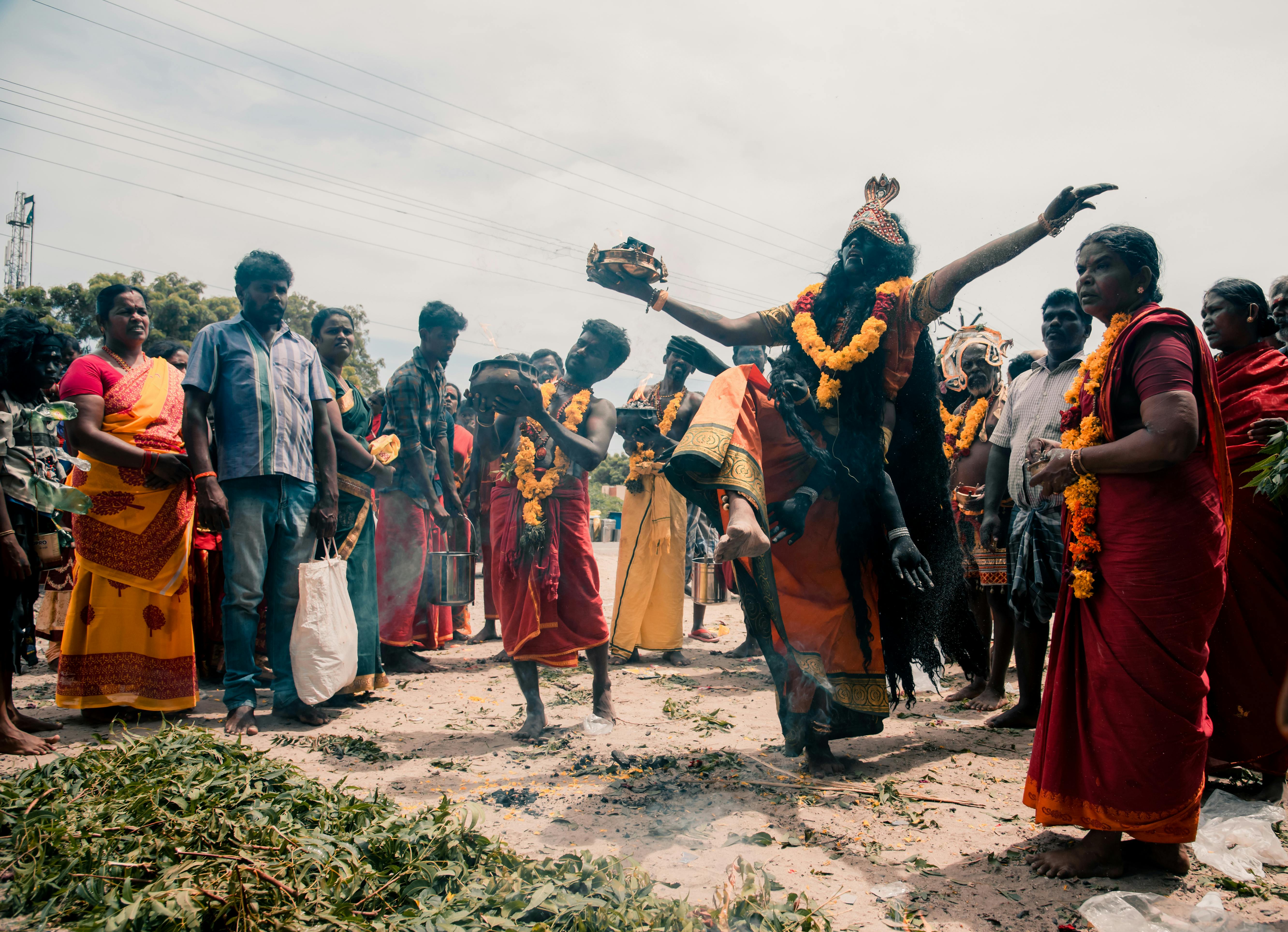

The flowers have been swept away, the sweets are nearly gone, and the decorations are carefully folded back into storage. But for millions of Indian families across the United States, the end of a festival never really means the end of the tradition. The spirit of celebration weaves itself into ordinary mornings, kitchen aromas, bedtime prayers, and weekend routines. Indian family traditions in daily life are practiced quietly, persistently, and with deep intention, and not just reserved for grand occasions.
The Morning Ritual as Cultural Anchor
In many Indian households, the day begins before sunrise. A lamp is lit in the prayer corner. Incense rises. A quick shloka or mantra is whispered before the first cup of chai is poured. These morning rituals, rooted in Hindu, Jain, Sikh, or other spiritual traditions, act as a daily reset — a moment of cultural continuity that needs no festival calendar to justify it.

Welcome to United Tribes
Where Indian Culture Comes Alive
Join Your Tribe
Connect with your people
Discover Events
Watch parties & festivals
Find Indian Businesses
Restaurants, markets & more
Earn Crown Credits
Get rewarded for engaging
For families living the Indian lifestyle in the US, maintaining a home prayer space is often the most visible symbol of cultural identity. It is where the generations meet: grandchildren watch grandparents pray, absorbing posture, gesture, and intention without a single formal lesson.
Food as Living Tradition
If there is one thread that connects every Indian family across regions and religions, it is food. Post-festival cooking is rarely a winding down — it is a continuation. Leftover festival sweets inspire the next batch. The spice blends used for a puja feast become weekday staples.
Families who preserve their regional masala blends are, in effect, preserving history. The spice blends passed down through Indian-American households carry the fingerprints of specific villages, grandmothers, and seasonal harvests. Teaching a child to grind spices or temper mustard seeds in hot oil is a deeply cultural act disguised as a cooking lesson.
Weeknight dinners become opportunities to reinforce post-festival traditions from India — cooking the same dal made during Makar Sankranti, or the rice dishes associated with Onam, now served on an ordinary Tuesday.
Language, Story, and the Art of Remembering
Indian culture at home is also sustained through language. Whether it is Tamil spoken at the dinner table, Hindi bedtime stories, or Punjabi phrases used as terms of endearment, language keeps the ancestral world present inside modern American homes.
Storytelling is equally powerful. Grandparents recount mythological tales connected to festivals — the story of Rama's return at Diwali, the significance of Holika before Holi. These narratives, repeated across generations, become a family's living archive. Children may not remember every detail, but the emotional texture of those stories stays with them.
Art and Aesthetics That Outlive the Occasion
Festival aesthetics do not disappear when the celebration ends. Many Indian families maintain artistic traditions throughout the year as expressions of cultural pride. Rangoli, for instance, is not exclusively a Diwali practice — it is drawn on auspicious mornings, at the threshold of a new home, or simply as a weekly creative ritual.
Similarly, home decor rooted in Indian aesthetics — brass diyas, woven textiles, framed deities, block-printed fabrics — keeps the cultural environment alive year-round. Explore how Indian home decor can reflect cultural values beyond any single celebration.
Classical arts also find their way into everyday family life. Children enrolled in Bharatanatyam or Kathak classes are absorbing centuries of storytelling, discipline, and devotion with every dance step. These Indian classical dance forms become a personal cultural vocabulary carried into adulthood.
Community Involvement as Daily Practice
Festivals are communal by nature, but the relationships built during those celebrations extend into everyday life. Indian families in the US often remain active in cultural associations, temple communities, and diaspora networks between major events.
Organizing potlucks, participating in cultural workshops, or volunteering at local heritage programs keep the community bonds strong. Understanding how festivals like Navratri are celebrated in the US helps families engage not just during the nine nights of dance, but also in the months of preparation and reflection that surround it.
Passing Traditions to the Next Generation
Perhaps the most critical dimension of Indian family traditions in daily life is intentional transmission. Second-generation Indian-Americans often navigate a dual identity, honoring their heritage while fully participating in American culture.
A child might not sit through a full puja, but they might light the diya. They might not speak fluent Telugu, but they know the words to one of their grandmother's lullabies. These partial but sincere connections matter enormously. They form the foundation for a deeper cultural engagement later in life.
Key approaches families use to pass traditions forward:
- Cooking together regularly, using recipes tied to specific occasions
- Watching cultural performances or films in the family's regional language
- Visiting temples or cultural centers as a weekly or monthly routine
- Celebrating smaller, lesser-known observances alongside major festivals
- Creating new rituals that blend heritage with the American context
Traditions That Live in the Everyday
The beauty of Indian culture at home is that it does not require a festival to breathe. It lives in the smell of cardamom in morning chai, in the small flame of a lamp before a busy workday begins, in the way a mother teaches her daughter to roll a roti with just the right pressure. These are the post-festival traditions that carry the deepest weight — quiet, consistent, and profoundly human.
For Indian families navigating life in the United States, these daily practices help preserve the past and build an identity that children and grandchildren can hold on to, return to, and eventually pass on in their own way. The Indian lifestyle in the US is not a diluted version of something left behind — it is a living, evolving expression of who these families are.
Visit United Tribes today and find out more about Indian culture and community — from festival guides to business spotlights to the everyday stories that make this heritage so enduring.


